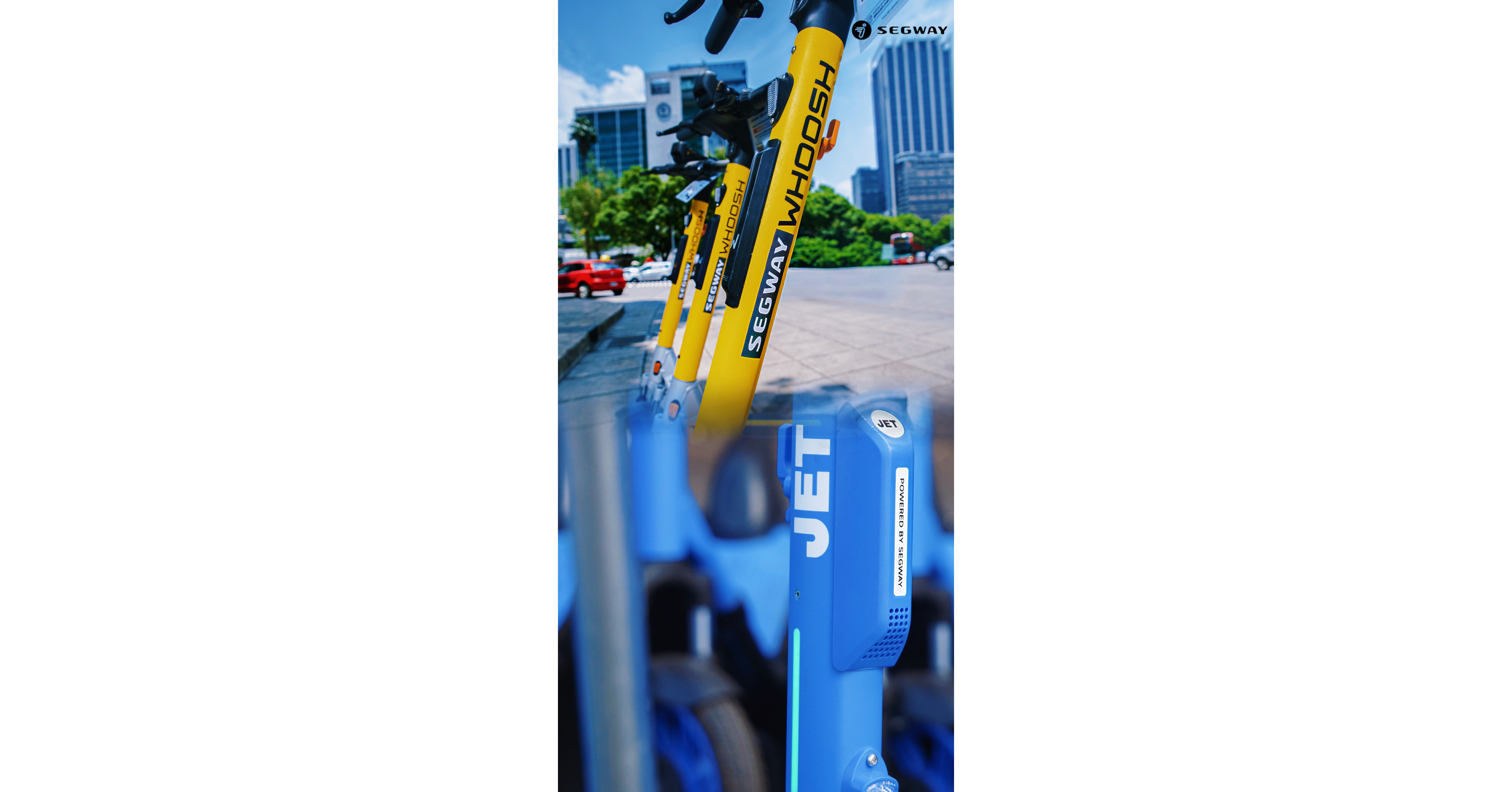
Segway’s 2026 World Cup shared micromobility campaign with Whoosh and JET is reporting strong adoption in Mexico, including 54,413 promotional minutes spent through June 26. With Whoosh, 89% of riders were first-time users and trips averaged 25.1 minutes, suggesting meaningful mainstream trial during the tournament. The JET collaboration in Mexico City ran a June 24–26 free-ride window before shifting to a 50% discount via code SEGWAYJET50 starting June 27.
This reads more like a demand-validation datapoint than an earnings event. The meaningful signal is not the promo-minutes headline; it is whether a temporary, event-driven spike can convert into durable paid utilization after the discounts roll off. If the cohort stays active, the economic value accrues to operators with dense urban fleets and low relocation costs, while OEMs and platform suppliers gain a better sales pitch for city contracts and fleet refresh cycles.
The second-order effect is on competitive positioning inside last-mile mobility: a visible World Cup use case helps shared scooters defend share against ride-hailing for short trips and against municipal skepticism around clutter and safety. But because the activation is subsidized, it can also mask weak unit economics; high trial rates do not necessarily mean good contribution margins. The real beneficiaries would be operators with the strongest conversion discipline and the lowest maintenance burden, not the loudest campaign.
Time horizon matters: the immediate market impact is likely negligible, while the 1-3 month catalyst is whether the campaigns show post-event retention in Mexico City and Monterrey. Over 6-18 months, if municipalities view these pilots as evidence of manageable demand, permitting and expansion could improve for shared-mobility networks in Latin America. The thesis is falsified if engagement collapses once pricing normalizes or if cities respond with tighter scooter restrictions after the event.
AI-powered research, real-time alerts, and portfolio analytics for institutional investors.
Overall Sentiment
mildly positive
Sentiment Score
0.25
