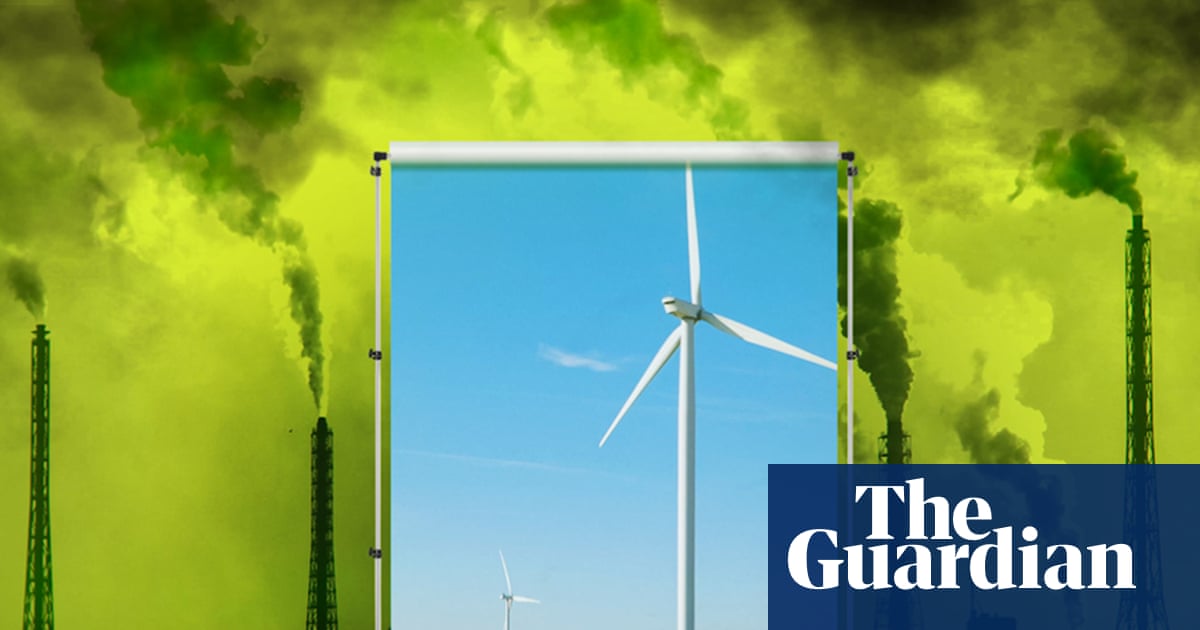
BHP has materially slowed its Pilbara decarbonisation plan, with internal documents showing a key renewables project delayed until at least 2031 and battery-electric truck deployment pushed back as far as 2035 or even 2040. The company also quietly shelved a beneficiation plant that it estimated could cut scope-three emissions by 1.7m tonnes a year, and flagged a dramatic cut in decarbonisation spending from US$4bn to US$500m. The revelations suggest rising execution and reputational risk for BHP’s climate strategy and could pressure its ESG credentials and regulatory relations.
The market read-through is not primarily a near-term earnings shock; it is a credibility shock. For diversified miners, the bigger second-order effect is that decarbonisation capex gets deferred precisely when regulators and customers are increasingly using product emissions intensity as a procurement filter, which widens the gap between headline ESG commitments and actual allocation of capital. That tends to compress the valuation premium for “transition leaders” and elevate the discount rate on long-duration growth projects that depend on policy support, permitting goodwill, or customer backstops.
The competitive winner is anyone already converting electrification rhetoric into binding equipment orders and power PPAs. In the Pilbara, that favors operators with earlier mover advantage on renewable power, haulage electrification, and low-carbon product differentiation, because OEM capacity, grid access, and mine-site engineering talent are all scarce resources. If one major steps back, it may actually improve the relative scarcity value of another miner’s green iron ore offering, especially where steelmakers are under pressure from border-adjustment schemes and Scope 3 reporting.
The risk window is medium term: 6-24 months for the reputational and permitting overhang, 2-5 years for the real earnings impact of carbon pricing, diesel subsidy changes, and customer willingness to pay for lower-emissions ore. The main upside catalyst for the stock would be a credible re-acceleration in capital deployment, not another aspirational net-zero pledge; absent that, every delay increases the probability of forced, higher-cost remediation later. The tail risk is that regulators tighten faster than management can re-scope, turning a “low probability of success” transition plan into a future impairment/capex reset story.
The contrarian view is that the selloff risk is partly in the headline and partly already embedded in a global miner discount, while the core earnings engine remains driven by iron ore volumes and pricing, not near-term decarbonisation milestones. But that cuts both ways: if emissions plans are now being treated as optional, the market should also discount any valuation support coming from ESG index inclusion or transition capital. The cleaner trade is relative, not absolute: short laggards with deteriorating transition credibility versus long miners that can monetize lower-carbon product and lock in renewable power early.
AI-powered research, real-time alerts, and portfolio analytics for institutional investors.
Request DemoOverall Sentiment
strongly negative
Sentiment Score
-0.68
Ticker Sentiment
