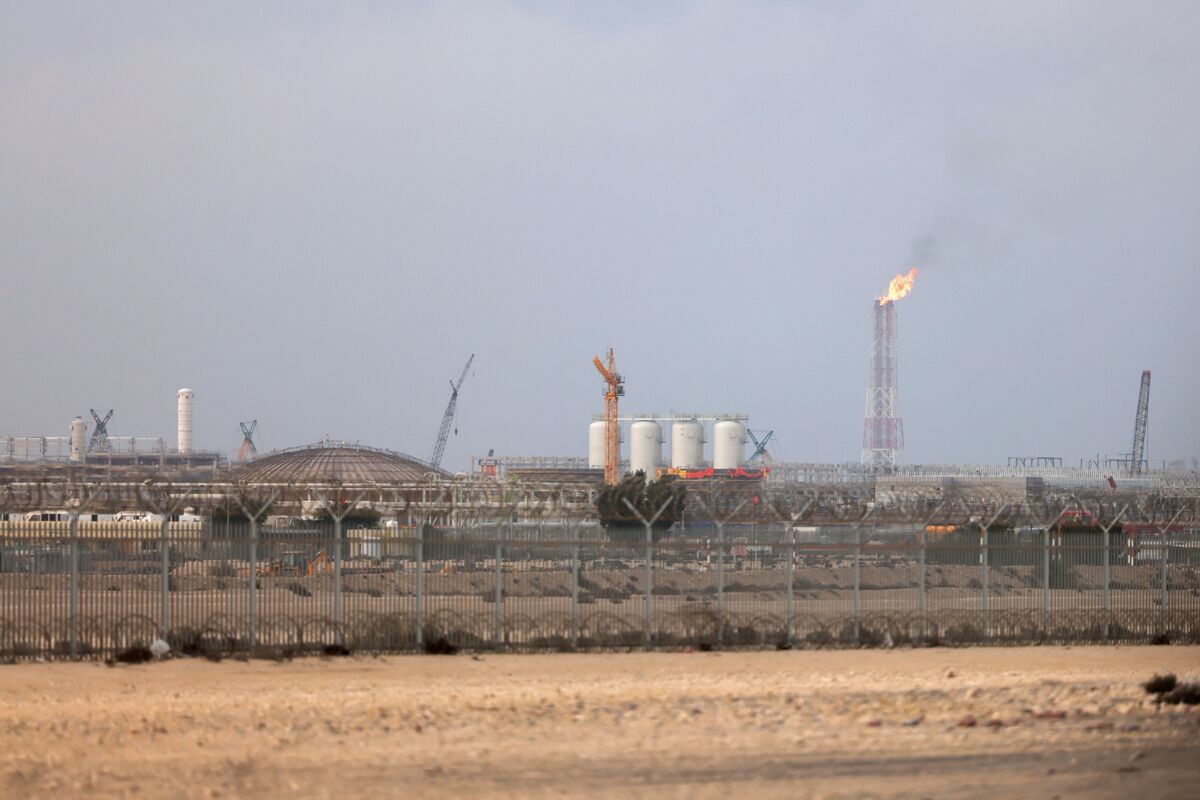
An attack on Qatar's largest LNG production facility by Iran has turned an anticipated glut of cheap liquefied natural gas into a supply shock, leaving buyers scrambling for cargoes. Expect materially tighter global LNG supply, upward pressure on gas and LNG prices, and heightened volatility across energy markets with knock-on risks to energy inflation and commodity-linked assets.
The market is repricing a persistent large-volume outage tail rather than a one-off blip: that pushes near-term Asian spot premiums up, which disproportionately benefits exporters with flexible cargo economics and floating storage/FSRU owners. Expect spot-linked earnings to outpace contracted revenue for 3–12 months, while destination-flexible cargoes allow traders and owners of LNG carriers to arbitrage regional spreads and collect outsized voyage rates.
Second-order winners include insurers, shipowners and charterers — higher premiums and longer routing increase cash yields for owners of modern steam-turbine and DFDE tonnage by raising charter parity several thousand dollars/day; conversely, gas-importing utilities and gas-intensive manufacturers in Europe and Asia face margin squeeze and potential load-shedding if spot remains elevated through winter. In infrastructure, the shock accelerates the commercial case and permitting push for FSRUs/regas terminals and brownfield expansions in import corridors; expect sanction approvals and contractor mobilization to compress typical project timelines from 24–36 months toward the lower end.
Catalysts and risk windows are layered: near-term (days–weeks) volatility driven by geopolitics and insurance market repricing; medium-term (3–12 months) relief if repair/redirected supply returns or mild weather reduces demand; longer-term (12–36 months) structural offset as additional US/West African capacity and new FSRU build-outs come online. A reversal would come from quick diplomatic de-escalation, opportunistic cargo rerouting (which requires available tonnage), or a benign weather season — any of which can shave spot premiums by $1–3/MMBtu within 60–120 days. Consensus is focused on headline scarcity; underappreciated is how much P&L shifts to logistics and contract flexibility rather than pure upstream production.
AI-powered research, real-time alerts, and portfolio analytics for institutional investors.
Request DemoOverall Sentiment
strongly negative
Sentiment Score
-0.70
