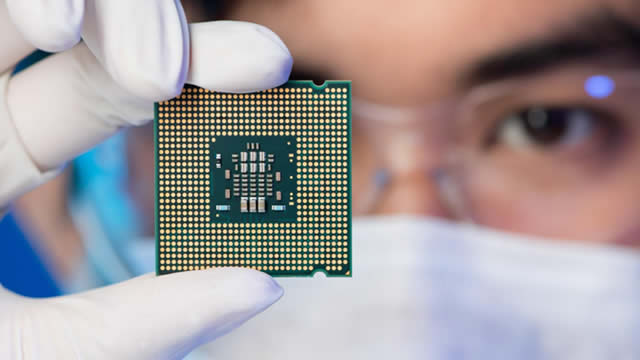
Samsung Electronics, SK Hynix and Micron face a new US class-action lawsuit that puts the memory-chip price and supply surge under legal scrutiny. The timing is unfavorable for the sector as AI-driven demand has lifted memory prices and data-centre buyers are rushing to secure supply, while consumer electronics firms begin passing through higher costs. The lawsuit may raise litigation and cost risk for major memory suppliers, even as fundamentals remain supported by AI demand.
This is more of a multiple and narrative event than an earnings event. In a tight-memory cycle, litigation matters less through damages than through the risk that customers, regulators, and investors start treating pricing power as fragile; that can cap forward multiples even while near-term EBITDA stays strong. The cleanest second-order winner is downstream buyers with high memory intensity — hyperscale server platforms, PC/phone OEMs, and module assemblers — because any hesitation around coordinated pricing accelerates multi-sourcing and inventory normalization.
The first reaction in the stocks can overshoot because the cash cost of an antitrust case is usually a years-long issue, not a next-quarter P&L problem. The real near-term vulnerability is a higher equity risk premium, especially for names like MU that trade more directly as cycle assets in the U.S. market; that can widen credit spreads modestly if investors start to underwrite peak margins as less durable. If AI-driven HBM and DRAM demand remains tight into the next earnings season, though, the market will likely refocus on pricing and ignore the docket.
Contrarian view: the market may be overpricing legal severity and underpricing the possibility that the lawsuit actually encourages more disciplined disclosure and less price signaling, which could reduce the probability of a truly explosive upside move in memory prices. The bigger structural risk is downstream demand destruction if cost pass-through hits device ASPs and unit growth softens over the next 2-3 quarters. Falsifier is still spot memory pricing and management commentary on capacity/capex, not courtroom headlines.
AI-powered research, real-time alerts, and portfolio analytics for institutional investors.
Overall Sentiment
mildly negative
Sentiment Score
-0.25
Ticker Sentiment
