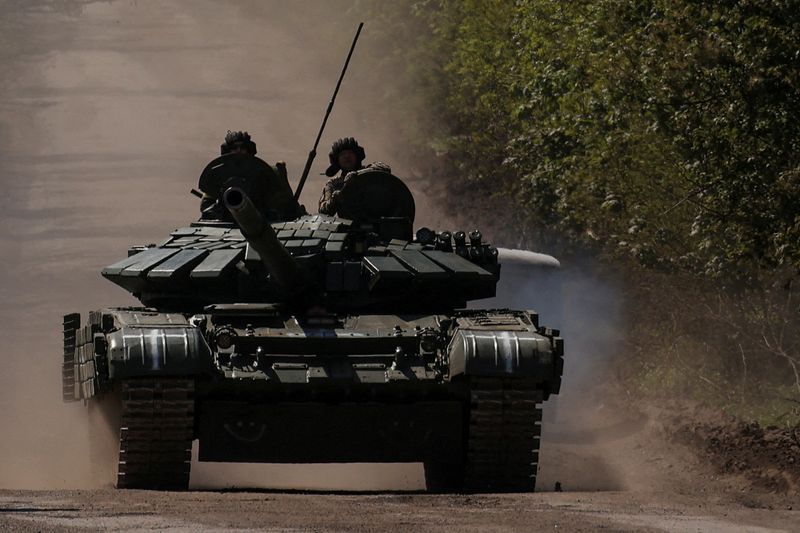
Russia launched more than 660 drones and missiles overnight against Ukraine, killing at least 4 people and injuring more than 30, with heavy damage reported in Dnipro and Chernihiv. Ukraine said it intercepted 580 drones and 30 missiles, but the scale of the assault signals a return to larger multi-vector attacks and a higher near-term risk premium for businesses operating in the country. The escalation reinforces demand for defense and logistics exposure while keeping ceasefire hopes remote.
The immediate market read-through is not a broad “war risk” bid so much as a repricing of operational continuity in Eastern Europe. The second-order impact is on firms with physical assets, contract backlogs, or convoy exposure in Ukraine and adjacent corridors: the higher the intensity of air campaigns, the more working-capital gets trapped in repairs, insurance deductibles, fuel buffers, and rerouting costs. That tends to favor asset-light defense suppliers and Western logistics operators with optionality, while punishing any name whose thesis depends on uninterrupted local throughput.
This kind of escalation is also a delayed-margin story for defense: the headline event is instant, but procurement and replenishment benefits accrue over quarters as air-defense interceptors, radar, EW, and munitions inventories are replenished. The stronger implication is for European primes and U.S. missile-defense suppliers than for generic “defense” baskets; the scarce bottleneck is not platforms, it is consumables and C2 integration. If the intensity persists for several weeks, expect higher probability of emergency appropriations and faster contracting for short-cycle producers.
The market’s current risk-off tone may over-discount a permanent escalation and under-discount a cyclical one: these spikes often create 1-3 day factor shocks, but the real equity alpha comes from companies with direct replenishment leverage and low Ukraine-specific revenue exposure. The key contrarian point is that extreme attacks can increase the odds of external support packages and air-defense procurement, which can partially offset macro risk for selected defense names. The main reversal trigger is not peace headlines; it is evidence that interception rates, aid flows, or defensive aid announcements normalize within 1-2 weeks, which would fade the fear premium quickly.
AI-powered research, real-time alerts, and portfolio analytics for institutional investors.
Request DemoOverall Sentiment
strongly negative
Sentiment Score
-0.78
