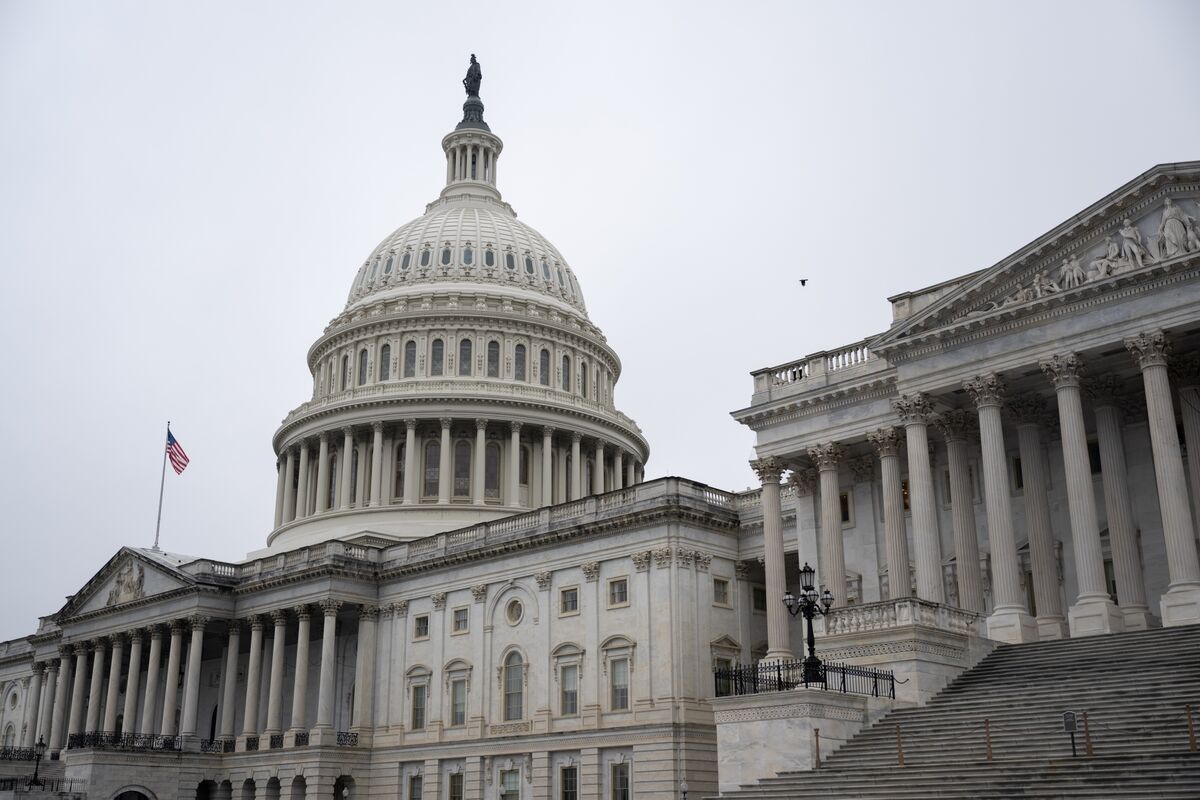
President Trump is actively lobbying Republican senators to support the House-passed tax bill, facing resistance from both moderate and conservative factions within the GOP. The bill's passage in the Senate is uncertain due to conflicting demands and the narrow margin for error, as Trump can only afford to lose a maximum of three votes.
President Trump is actively engaging in efforts to secure Senate approval for a significant, multi-trillion dollar tax bill, which previously passed the House of Representatives by a slim margin of just one vote. The legislation encounters substantial resistance within the Senate, facing opposition from both moderate and ultra-conservative Republican senators. This creates a precarious legislative environment where the bill's passage is contingent on losing no more than three Republican votes. The current situation is characterized by a 'mildly negative' sentiment (score: -0.35) and an 'uncertain' tone, reflecting the significant hurdles to enactment. The outcome of this legislative push is considered to have a notable potential market impact, indicated by a market impact score of 0.65, highlighting the bill's importance as a key fiscal policy development.
AI-powered research, real-time alerts, and portfolio analytics for institutional investors.
Request DemoOverall Sentiment
mildly negative
Sentiment Score
-0.35
