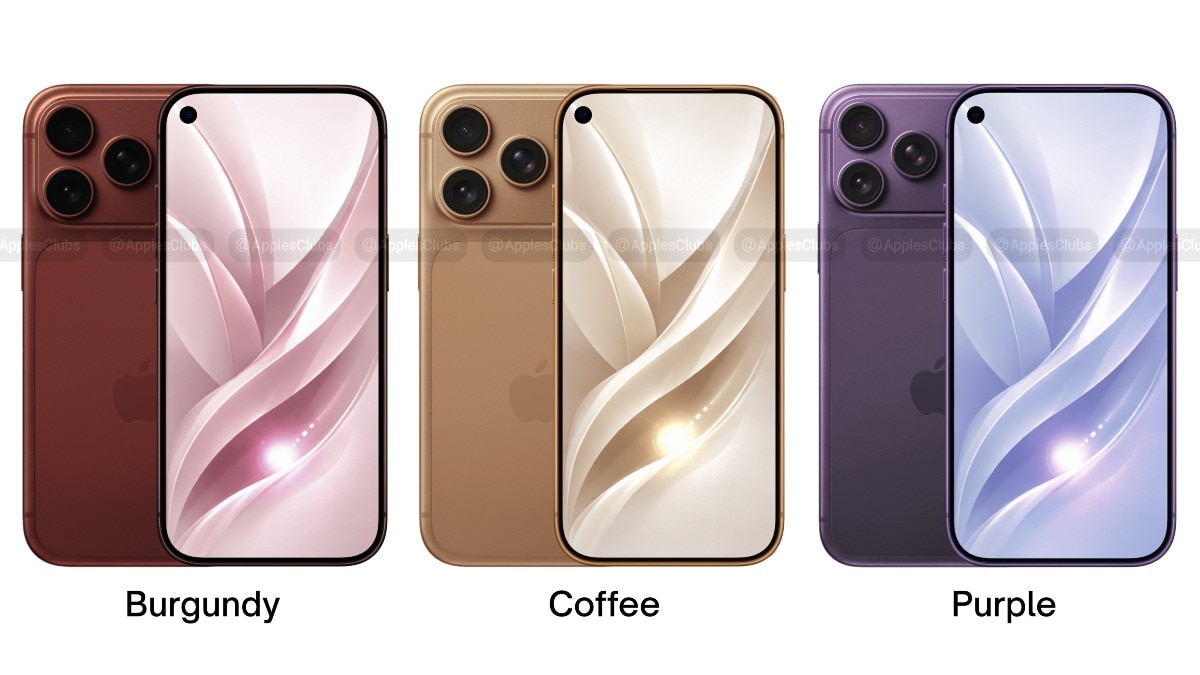
Apple is reportedly lining up 11-12 product launches this year, led by the iPhone 18 Pro/Pro Max, a potential foldable iPhone, updated iPads, M5 Macs, and new Apple Watch models. The leaks point to incremental hardware upgrades such as under-display Face ID, variable aperture cameras, OLED iPad mini, and Apple Intelligence support, but nothing is officially confirmed. The article is broadly positive for Apple’s product cadence, though the near-term market impact is likely limited because the information is still speculative.
The setup is less about a single blockbuster and more about Apple compressing multiple product cycles into one fiscal window, which matters for revenue recognition, channel inventory, and services attach rates. If the refresh cadence broadens across iPhone, iPad, Mac, and Watch, the second-order winner is Apple’s ecosystem lock-in: every hardware upgrade resets the base for higher-margin services, accessories, and financing, while also improving the installed base for on-device AI features. That is a subtle but important catalyst because Apple’s AI narrative may get monetized indirectly through device upgrade elasticity rather than a standalone software SKU.
The market is likely underestimating supply-chain dispersion risk. A heavier launch slate raises complexity around display, camera, chip, and assembly ramp timing, which can create temporary gross margin pressure if yields slip or if premium models cannibalize each other’s launch windows. The biggest near-term risk is not demand; it is execution around component availability and qualification, especially if Apple is trying to introduce multiple architecture changes simultaneously across form factors.
From a competitive standpoint, this is more threatening to Android premium OEMs than the headline suggests. A successful foldable iPhone would likely reset consumer expectations around foldables from "novelty" to "default premium alternative," putting pressure on Samsung and Chinese OEMs whose differentiation is already narrowing. The contrarian read is that the market may be overpaying for the AI upgrade story in the near term while underpricing the fact that a broad hardware cycle is a cleaner, more reliable catalyst for unit growth and mix expansion over the next 2-4 quarters.
For risk, the key reversal signal is any delay in the flagship devices slipping beyond the usual fall window, because that would defer the entire ecosystem refresh and compress sentiment into a shorter launch period. Over 6-12 months, the more durable upside comes if Apple uses the launches to accelerate replacement demand from older devices and lock in a larger share of high-end spend before competitors catch up on AI and foldables.
AI-powered research, real-time alerts, and portfolio analytics for institutional investors.
Request DemoOverall Sentiment
neutral
Sentiment Score
0.15
Ticker Sentiment
