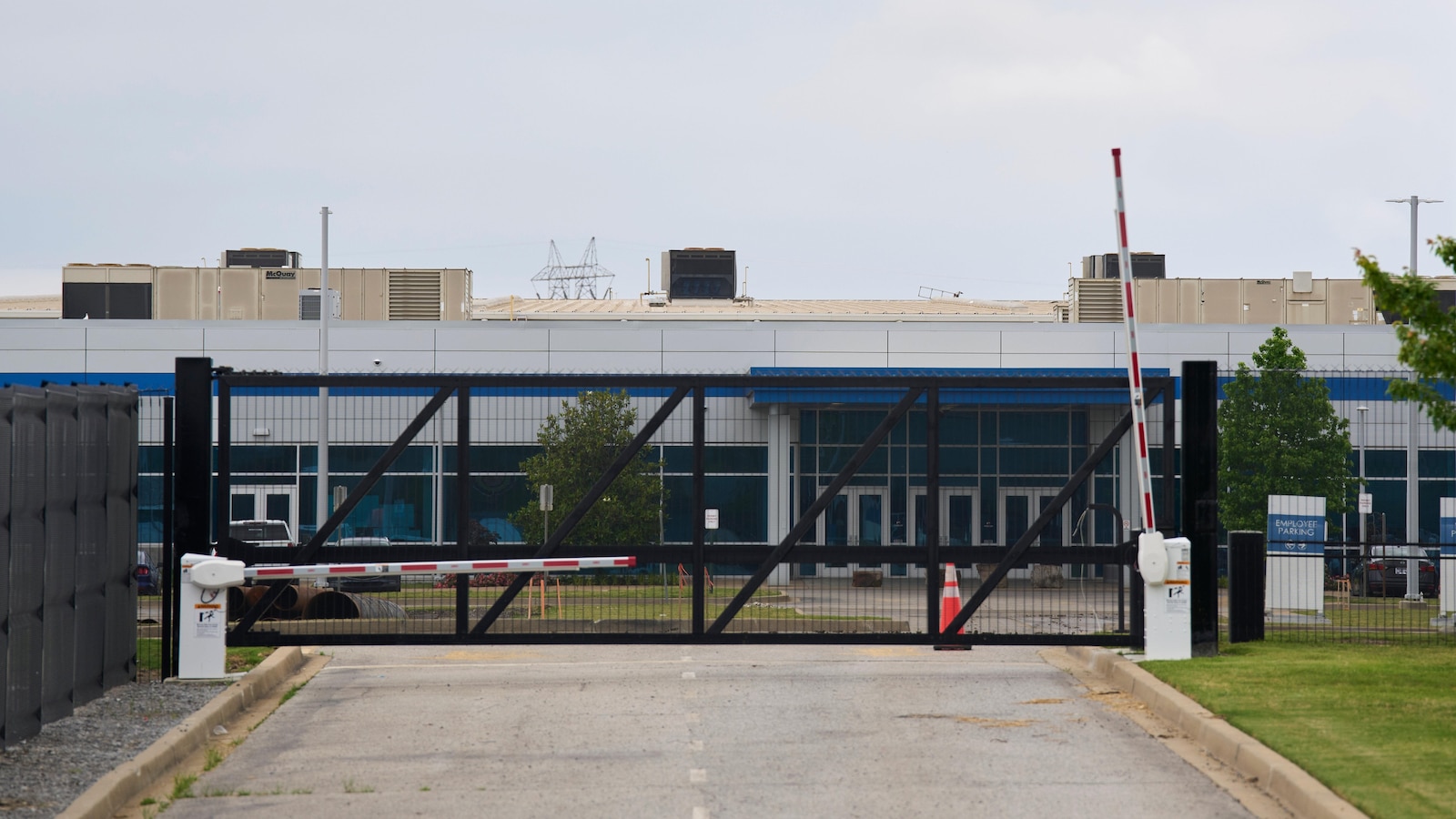
xAI will invest $20 billion to build a data center cluster called MACROHARDRR in Southaven, Mississippi — its third facility in the greater Memphis area — housing what the company says will be “the world's largest supercomputer” with 2 gigawatts of computing power and expected to begin operations next month. The project, touted by the governor as the state's largest private investment with hundreds of permanent jobs and thousands of indirect roles, benefits from 2024 data-center incentives that waive sales, corporate income and franchise taxes and reduced local property taxes, while drawing environmental and community opposition from civil-rights and environmental groups and a local petition opposing operations.
Market structure: xAI’s $20bn hyperscale cluster increases direct demand for high-end accelerators, server chassis, transformers and construction services; immediate winners are Nvidia (GPU sales), server OEMs (HPE, DELL) and power infrastructure contractors, while local leasing-focused data‑center REITs (Digital Realty, Equinix) face isolated regional oversupply and pricing pressure. A 2 GW facility implies incremental peak load comparable to a small city (order-of-magnitude: hundreds of MWs per site), tightening near-term procurement for GPUs and electrical gear and pushing up spot prices and lead times over the next 3–9 months.
Risk assessment: Key tail risks are environmental litigation or permit revocations (30–180 day window) that could halt operations, hardware supply-chain shocks (NVIDIA chip allocations) and political backlash against tax incentives leading to retroactive policy risk. Short-term (days–months) volatility will cluster around permit/legal milestones and Nvidia supply notices; long-term (3–5 years) risks include horizontal integration reducing cloud spending and rising operating costs (carbon regulation or local mitigation) that compress returns.
Trade implications: Favor supply-chain exposure to AI compute (NVDA, HPE, AMAT/LRCX) and select utilities serving Memphis/Southern grid (SO, ETR) while avoiding or hedging regionally concentrated leasing REITs; implement options to cap downside—e.g., 3–6 month call spreads on NVDA and 6–12 month put spreads on DLR. Entry should be ahead of expected GPU allocation updates (next Nvidia earnings cycle, 30–90 days); trim on +20–30% outperformance or if permit outcomes are negative.
Contrarian angles: The market understates regulatory and community pushback — >900 petition signatures and NAACP involvement create asymmetric delay risk that could materialize into injunctions within 60–180 days, amplifying short-term dislocations. Also consensus underprices the knock‑on effect on copper, transformer and generator OEMs (20–40% surge in local procurement), so small-cap industrials tied to electrical infrastructure could outperform large-cap cloud names unexpectedly.
AI-powered research, real-time alerts, and portfolio analytics for institutional investors.
Request DemoOverall Sentiment
mixed
Sentiment Score
0.00
