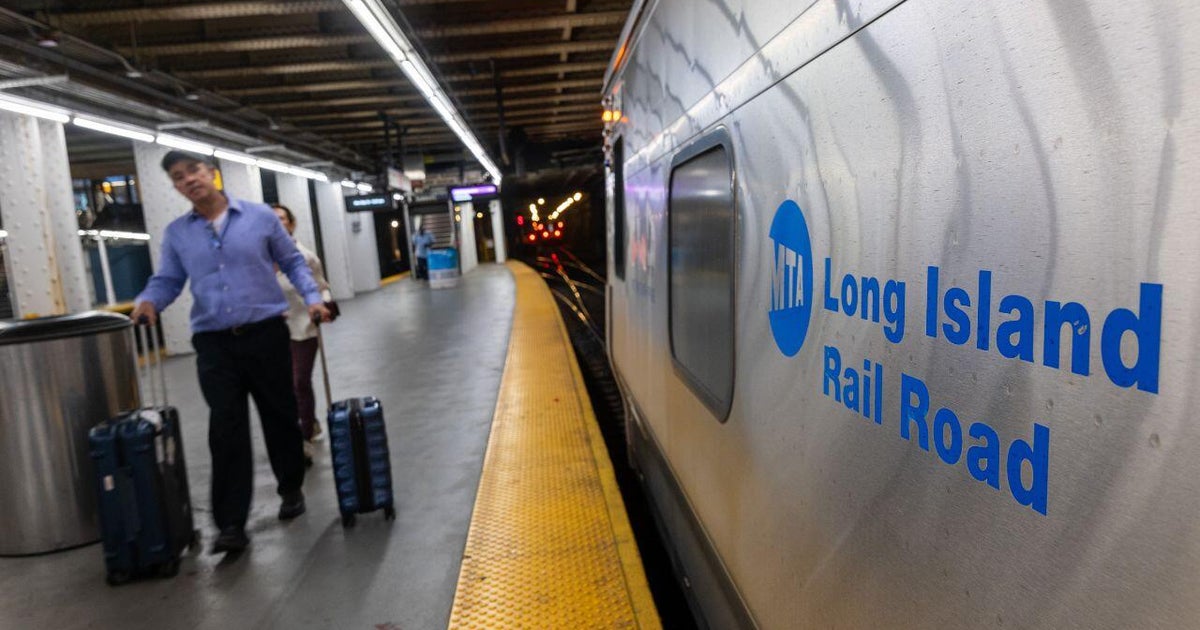
The Long Island Rail Road strike has halted service, turning normal commutes into trips that are 1-2 hours longer and forcing riders onto buses, cars, and Ubers. The disruption is also affecting travel to Citi Field for the Subway Series, with heavy traffic on major Long Island roads and added congestion likely if the strike extends into the workweek. This is a meaningful local transportation disruption, but not a broad market event.
The immediate market read is not about rail operators so much as substitution economics: when a high-frequency commuter rail corridor fails, the incremental demand gets pushed into the highest-friction channels first, which means ride-hail, parking, and local road congestion all reprice before broader consumer behavior changes. That creates a short-duration but meaningful earnings tailwind for UBER and potentially a volume spike for parking operators and toll-road proxies, while simultaneously destroying the utility of time-sensitive trips and raising no-show risk for retail, dining, and entertainment near Manhattan/Queens terminals.
The second-order effect is that the pain compounds nonlinearly if the stoppage bleeds into the workweek. Weekend elasticity is one thing; Monday morning converts inconvenience into labor-supply disruption, which can hit warehouse, healthcare, and service-sector attendance. AMZN is only mildly exposed directly, but the Amazon overnight-warehouse anecdote is a reminder that last-mile labor economics can get worse quickly if commuting becomes unreliable; absenteeism and late arrivals matter more than headline package volumes over a 1-2 week window.
The market may be underpricing how fast political pressure escalates once sports and weekday commutes are affected. A strike that is merely annoying on Saturday becomes economically visible on Monday, and contingency buses are capacity-constrained, so the marginal rider is forced into cars or app-based transport. That caps the duration of the benefit for UBER: it is a tactical winner only until congestion and surge-pricing deter demand, at which point the demand destruction offsets gross bookings.
Consensus likely misses the option value in a rapid settlement. Labor disruptions in transit often have a shorter half-life than investors expect because the economic cost becomes obvious within 3-5 business days, not weeks. The best asymmetry is to fade any assumption of a prolonged strike while still owning the near-term substitute beneficiaries.
AI-powered research, real-time alerts, and portfolio analytics for institutional investors.
Request DemoOverall Sentiment
moderately negative
Sentiment Score
-0.45
Ticker Sentiment
