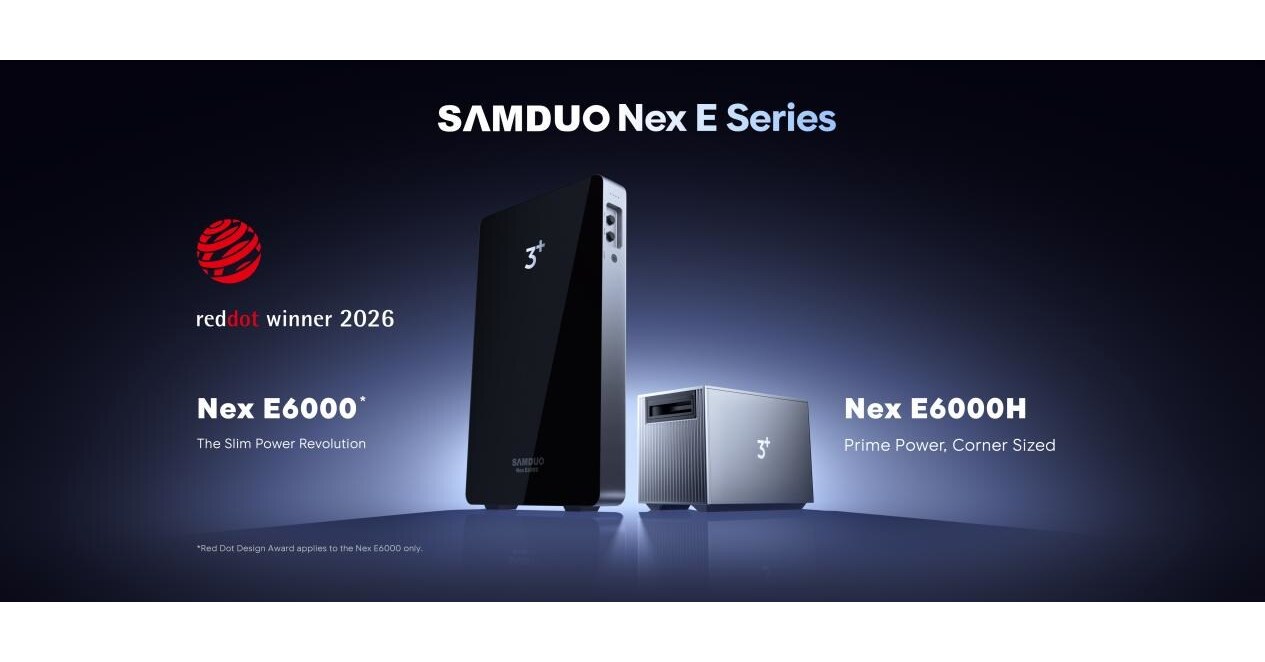
SAMDUO start op 13 juli 2026 de officiële online verkoop in Nederland van de Nex E-serie (Nex E6000 en Nex E6000H), AC-gekoppelde thuisbatterijsystemen die zonne-overschotten opslaan. De aankondiging positioneert zich als voorbereiding op het einde van de salderingsregeling per 1 januari 2027 en claimt tot €1.584/jaar besparing via dynamische tariefoptimalisatie (SAMDUO Intelligence™). De systemen zijn ontworpen voor beperkte ruimte (diepte 11,9 cm voor de E6000), ondersteunen plug-and-play via een P1-meter en bieden tot 10.000 laadcycli met 10 jaar garantie.
This is a regulatory-optionality story more than a company catalyst. The economic prize shifts from selling panels to capturing the software and storage layer that arbitrages retail tariffs, so the incremental margin pool should accrue to firms with install friction removed, monitoring software, and channel access rather than commodity hardware vendors. In public markets, that favors residential energy-management leaders and inverter players over pure module names; the real read-through is higher battery attach rates, not a one-off hardware launch.
The immediate headline impact is negligible, but the 6-18 month setup matters as Dutch households begin modeling post-2027 economics. Adoption will hinge on the spread between retail import prices and export compensation, plus whether local grids and permitting actually allow fast plug-and-play deployment. If regulators soften the transition, or if dynamic tariffs compress during a mild power market, payback assumptions will slip and the demand curve can disappoint even with strong product marketing.
The contrarian view is that the market may be overestimating penetration. Dense housing, landlord constraints, fire-safety scrutiny, and installation inertia make this a retrofit market with a much slower conversion rate than the promotional language implies. The likely winners are not the lowest-cost battery boxes but the firms that own software, monitoring, and distribution; the losers are undifferentiated battery assemblers and any utility relying on volumetric sales in residential retail. Watch for evidence by mid-2026: if order growth does not inflect before the 2027 rule change, the theme is probably being prematurely capitalized.
AI-powered research, real-time alerts, and portfolio analytics for institutional investors.
Request TrialOverall Sentiment
mildly positive
Sentiment Score
0.25
