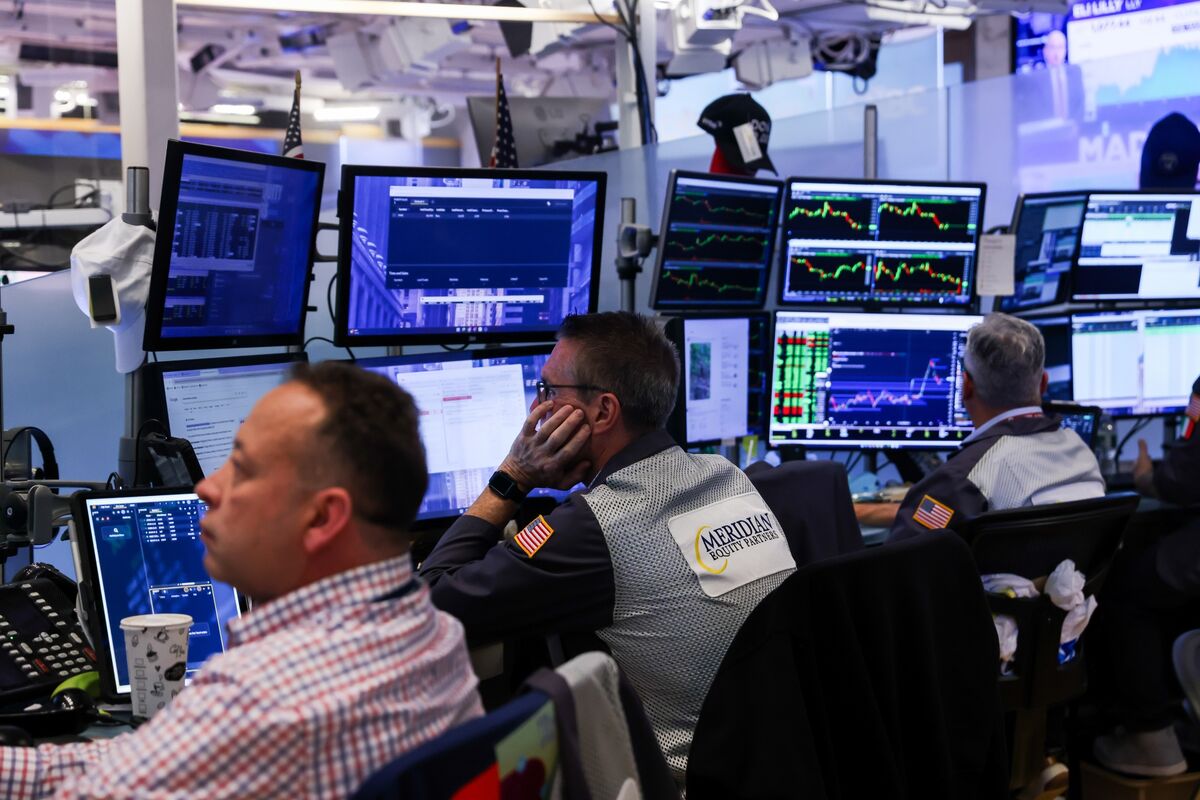
US equities were mixed, with the S&P 500 up less than 0.1%, the Nasdaq 100 down 0.2%, and the Dow up 0.3% as traders weighed reports of a potential peace deal to end the Iran war. Strategists also lifted S&P 500 year-end targets after a strong earnings season, supporting a modest risk-on backdrop despite geopolitical uncertainty.
The market’s narrow, defensive-leaning leadership implies traders are paying for lower macro beta while still doubting the durability of the risk-on impulse. If geopolitical tail risk fades even modestly, the first beneficiaries are not energy names but the second-order inflation complex: freight, airlines, chemicals, and consumer discretionary that have been suppressing margins and multiple expansion. That creates a subtle setup where the index can grind higher even if cyclicals lag, because the market is effectively pricing a lower discount rate plus a softer input-cost path. The real read-through is on positioning, not just headlines. A rally built on “peace-deal optionality” tends to unwind quickly if the narrative stalls, but the more persistent effect is that systematic funds may re-add equities as realized volatility compresses; that can create a 1-3 week squeeze in the highest short-interest, lowest-quality growth names that were crowded out by defensive rotation. Conversely, if the deal talk remains unresolved, energy equities may not need to rally to outperform — they just need crude volatility to stay elevated enough to support earnings revisions and keep capital returning to the sector. The earnings backdrop matters because index target raises invite passive inflows, but those flows tend to follow price, not lead it. That means the next leg likely comes from breadth improvement: semis and industrials need to catch up for a durable trend, otherwise the move remains fragile and vulnerable to any negative geopolitics surprise or hawkish macro print. The contrarian risk is that investors are underestimating how fast peace-driven disinflation can hit commodity-sensitive cash flows, while overestimating the benefit to broad equities if it simply rotates money from oil into defensives. Over the next several weeks, the key catalyst is whether lower war premium translates into lower breakevens and a weaker commodity complex, which would support duration and high-multiple growth. If not, the market may fade back into a narrow range as traders realize the headline is more about de-risking than re-accelerating growth.
AI-powered research, real-time alerts, and portfolio analytics for institutional investors.
Request DemoOverall Sentiment
neutral
Sentiment Score
0.05
