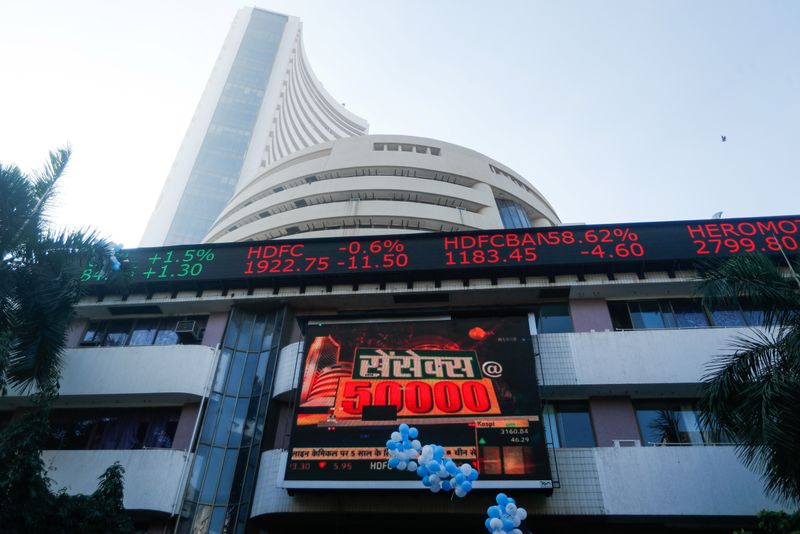
The Strait of Hormuz blockade has disrupted an estimated 6–7 million barrels per day of Gulf oil, with fertiliser prices +30–40%, petrochemical prices >30% and select shipping costs +15–20%. Citi cut its NIFTY multiple to 19x from 20x (Dec-2026 target 27,000) and flags ~20–30 bps downside to FY27 GDP (vs 7.1%), 50–75 bps upside risk to average CPI (~4%) and ~ $25bn upside to the current-account deficit; a sustained >$100/bbl scenario would push NIFTY EPS to single-digit YoY growth and keep multiples subdued (~18x). Company impacts: Reliance could see +5–12% FY27 earnings upside from refining, HPCL faces the sharpest downside (every $5/bbl oil + $5/bbl crack could cut earnings ~25%), InterGlobe EBITDAR could fall >75% at $100/bbl without fare hikes, and Citi has downgraded automakers and removed M&M and Mahanagar Gas from top picks; Citi still expects an RBI pause in April.
Integrated refiners with upstream optionality and petrochemical exposure are the cleanest near-term beneficiaries: they capture widening crack spreads and can reallocate feedstocks to higher-margin products faster than marketing-heavy peers. Pure-play fuel marketers and airlines are the obvious cyclic losers, but the more pernicious second-order hit will be through remittance-dependent consumption pockets and fertiliser-linked agricultural input costs, which compress rural demand and extend weakness into two consumer-facing quarters.
Catalysts that will re-rate the complex are short and identifiable: a diplomatic corridor reopening or insurance/law-of-seas workaround that restores Gulf traffic will collapse the risk premia within days; conversely, a prolonged interdiction or coordinated sanctions could keep spreads wide for quarters and force fiscal transfers/subsidies that widen deficits and weigh on sovereign bonds. Watch central bank communications closely — greater policy flexibility (or jawboning for rupee stability) can mute pass-through and shorten the pain for domestic cyclicals even if oil remains elevated.
Consensus is underestimating cross-asset transmission: corporate FX exposure, trade-finance rollovers, and higher working capital for trade-intensive sectors create non-linear P&L stress that shows up as higher provisioning and funding costs 2–4 quarters out. Use this to trade idiosyncratic dispersion: long structurally advantaged refiners vs short marketing-only peers, hedge currency and credit exposure, and rotate into low-correlation growth names as liquidity hedges while oil volatility is high.
AI-powered research, real-time alerts, and portfolio analytics for institutional investors.
Request DemoOverall Sentiment
moderately negative
Sentiment Score
-0.45
Ticker Sentiment
