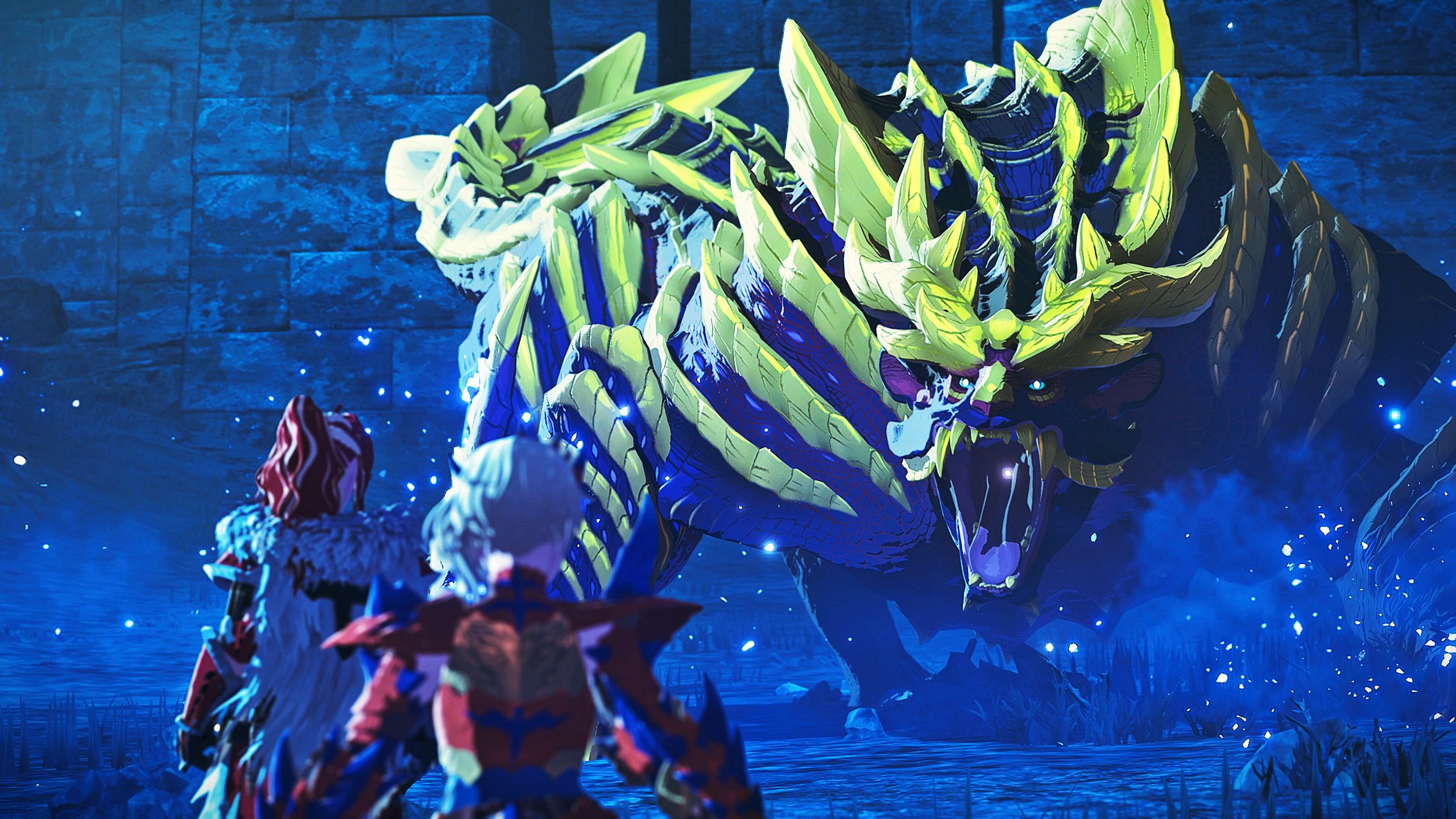
Capcom's Monster Hunter Stories 3: Twisted Reflection, due March 13, 2026 on Xbox Series X|S, PlayStation 5, Nintendo Switch 2 and PC (Steam), receives a strongly positive hands-on preview praising narrative depth and gameplay innovations such as Habitat Restoration, the Wyvernsoul Gauge, and revamped combat mechanics. The preview—based on over 20 hours of early play and a code provided by Capcom—positions the title as a potential commercial and critical highlight for Capcom in 2026 and signals upside in consumer interest and wishlist additions, though no direct financial figures are provided and near-term market impact is likely limited.
Market structure: A strong launch for Monster Hunter Stories 3 materially benefits CAPCOM (9697.T) via direct software sales, DLC and cross-platform catalog lift, while platform partners (MSFT for Xbox/PC, Steam) capture service revenue and discoverability. Nintendo (7974.T) faces modest competitive pressure in the monster-collection niche, but not an existential threat to Pokémon given IP scale; expect a 1–3% reallocation of hardcore JRPG spend in core markets if the game sells >500k units in week one.
Risk assessment: Key tail risks are a buggy/delayed launch, poor critical reception (Metacritic <75) or failure to secure day-one Game Pass exposure — each could wipe out >10% of near-term upside. Time horizons: immediate (days) = volatility in stock/options based on previews/reviews; short-term (weeks/months) = sell-through and wishlist metrics; long-term (quarters) = franchise momentum and monetization. Hidden dependencies include Switch 2 install base growth, Capcom’s marketing cadence and first-party promotion deals.
Trade implications: Direct equity and options plays on CAPCOM around the Mar 13, 2026 release are highest alpha: positive sales surprise should re-rate multiples by 5–15% in 1–3 months; MSFT is a low-beta way to capture platform upside if included on Game Pass. Use tight, risk-defined option structures to capture launch gamma while limiting downside; avoid outright large shorts on Nintendo — risk of defensive hedging and hardware synergies.
Contrarian angle: Consensus underrates upside for a well-reviewed JRPG launching across four platforms — markets often underprice single-title upside until first-week sell-through data. Conversely, the market may overvalue early hype: a Metacritic-driven sell-off is plausible and creates a mean-reversion trade. Historical parallel: Monster Hunter World (2018) delivered multi-year tail revenue after strong early momentum; failure to replicate that cadence is the primary downside scenario.
AI-powered research, real-time alerts, and portfolio analytics for institutional investors.
Request DemoOverall Sentiment
moderately positive
Sentiment Score
0.68
Ticker Sentiment
