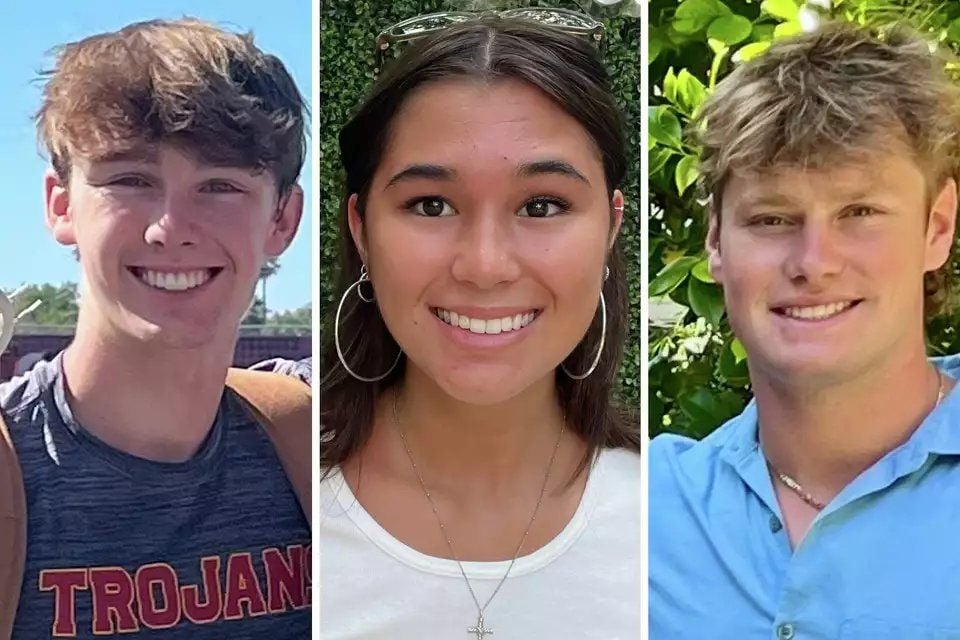
Tesla faces a wrongful death lawsuit from the parents of two college students who died in a Cybertruck fire, alleging the vehicle's battery-powered doors failed to open, trapping occupants. The lawsuit claims the doors become inoperable upon power loss and the manual latch is inaccessible, citing nearly three dozen similar technical glitches and Tesla's recent admission that the doors require redesign, raising significant product liability and safety implications.
The lawsuits against Tesla seemed likely after three college students died in a burning Cybertruck in Piedmont, and the parents of the victims say the doors of the Cybertruck would not open as the vehicle burned. There was a heartbreaking local news story as we headed into the Thanksgiving holiday last year when we learned the three college students on break were killed in the crash of a Tesla Cybertruck (a fourth student in the car survived). The Cybertruck hit a cement wall and burst into flames, killing the three 19 year-old Piedmont high grads, Soren Dixon, Jack Nelson, and Krysta Tsukahara. It eventually came out in toxicology reports that all three had cocaine and alcohol in their systems, and the driver Dixon had meth in his system too, plus was driving at well above the legal alcohol limit. But it also came out that a California Highway Investigation produced testimony that the doors of the Tesla stopped working as the vehicle burned, possibly trapping the victims inside. The one surviving victim Matt Riordan said in his testimony to the CHP that he pulled on the doors “for a few seconds, but nothing budged at all.” He also testified that “I then tried the button on the windshield of Jordan's door, then Krysta’s door,” with neither opening. And notably, Krysta Tsukahara’s parents claim that she died from smoke inhalation and burns she sustained in the fire, rather than any injuries endured in the crash itself. That’s just one revelation in the Chronicle report that Tsukahara and Nelson’s parents are both suing Tesla for wrongful death over the crash, in an Alameda County court. “Tesla knows that it’s happened and that it’s going to happen, and they are doing nothing but selling the car with a system that entraps people and doesn’t provide a way of extraction,” the Tsukaharas’ attorney Roger Dreyer tod the Chronicle. “This vehicle absolutely should not have entombed these individuals and my clients’ daughter. It’s our way of holding the wrongdoer accountable, and correcting bad conduct.” Tsukahara’s parents had previously sued the driver Soren Dixon’s estate, as well as the estates of his grandparents, who owned the Cybertruck. Though it seems that lawsuit was just to get access to the charred vehicle itself for investigative purposes. The wrongful death charges against Tesla are an extension of the same lawsuit, though as you would imagine, the family is asking that Tesla pay out financial damages. And they do have a proven point. Tesla Cybertruck doors are powered by a 12-volt battery, one that does not work if the vehicle loses its power. The lawsuit says the manual latch to open the door is not readily visible and is hard to find. The lawsuit also cites nearly three dozen examples of Tesla drivers experiencing dangerous technical glitches with the battery-powered door system. Tesla themselves admitted the doors need to be redesigned just last month. Image: City of Piedmont Tesla is confronting a significant product liability challenge with a wrongful death lawsuit filed in Alameda County court concerning its Cybertruck. The suit alleges that the vehicle's door mechanism, which relies on a 12-volt battery, became inoperable following a crash and subsequent fire, effectively trapping the occupants. This claim is substantiated by testimony from the one survivor who stated the doors would not open electronically or manually. Critically, the lawsuit strengthens its case by citing nearly three dozen prior examples of dangerous glitches with the door system and, most importantly, a recent admission from Tesla itself that the doors require a redesign. While toxicology reports indicated the driver was impaired, the legal focus is on post-crash survivability and a specific design flaw, shifting potential liability to the manufacturer. The strongly negative sentiment score (-0.9 for TSLA) and high market impact score (0.7) reflect the material risk this poses, encompassing potential litigation damages, costly recalls, and significant reputational harm to a key product line.
AI-powered research, real-time alerts, and portfolio analytics for institutional investors.
Request DemoOverall Sentiment
strongly negative
Sentiment Score
-0.80
Ticker Sentiment
