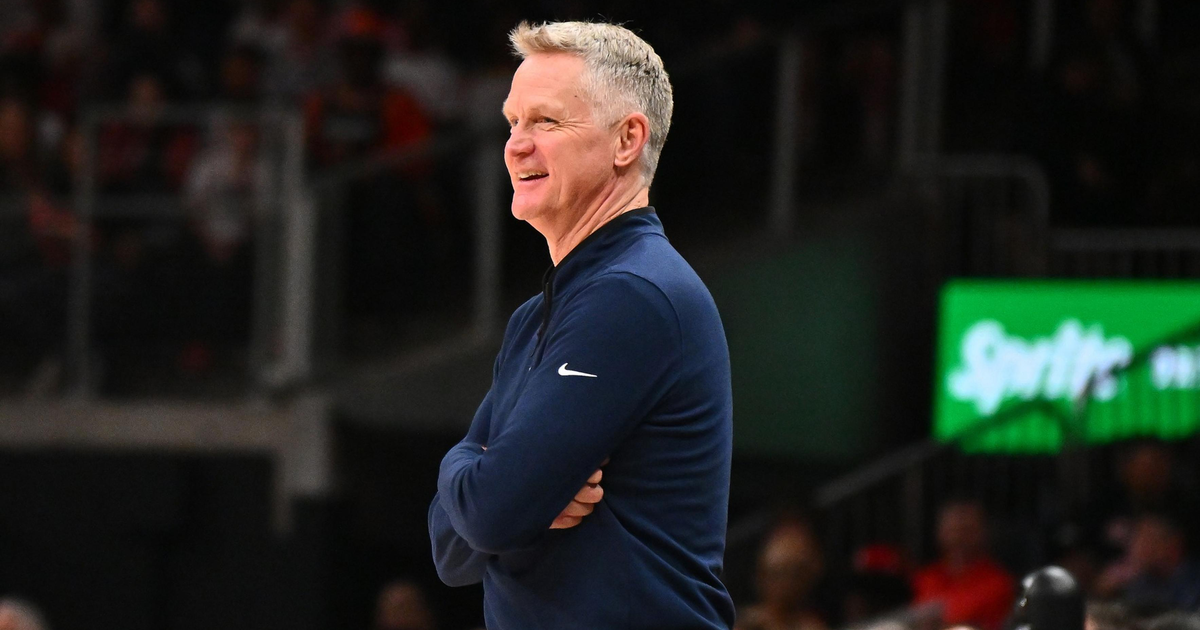
The article says Steve Kerr is likely to return as Warriors coach, but no decision has been made and his contract expires in July. Any new deal will require negotiation on term and pay, with Kerr already earning $17.5 million annually and management signaling support for his return. The piece is largely about coaching continuity and team governance rather than an immediate market-moving event.
The market is underestimating how much coach continuity matters for a mature, high-usage roster. For a team built around aging stars, marginal gains come less from scheme innovation than from trust, role clarity, and repeatable late-game execution; that makes a low-drama extension materially more valuable than the headline suggests. The real beneficiary is not the coach but the star core, because a clean decision reduces the odds of a summer of uncertainty that can leak into roster decisions, free-agency pitch credibility, and extension timing.
The second-order risk is leverage, not departure. If the coach signals willingness to return, the team is incentivized to negotiate from a position of emotional urgency rather than pure market discipline, and that can expand the contract delta more than most expect. For a cap-constrained contender, even a few million of extra annual coaching cost is trivial financially but meaningful as a signal: it can set precedent for future hardball on assistant staff, front office power, and ultimately player negotiations.
The bigger catalyst is not a press release; it is the postseason outcome. A quick exit compresses the timeline and raises the odds of a messy public negotiation that could create a short-term overhang in sentiment, while a longer run buys time and reduces the probability of a visible rift. The contrarian angle is that the consensus is too anchored on inevitability: when two sides both know the other has limited alternatives, negotiations often become hardest right before the deal closes, not easiest.
From a broader market lens, this is a governance-and-control story more than a talent story. The franchise’s willingness to pay for continuity has historically supported stability, but it also means there is asymmetric reputational risk if talks drag into the offseason and become a proxy fight over respect, compensation, and succession planning. That kind of ambiguity tends to matter most when a team is trying to sell a veteran winner on one last run.
AI-powered research, real-time alerts, and portfolio analytics for institutional investors.
Request TrialOverall Sentiment
neutral
Sentiment Score
0.05
