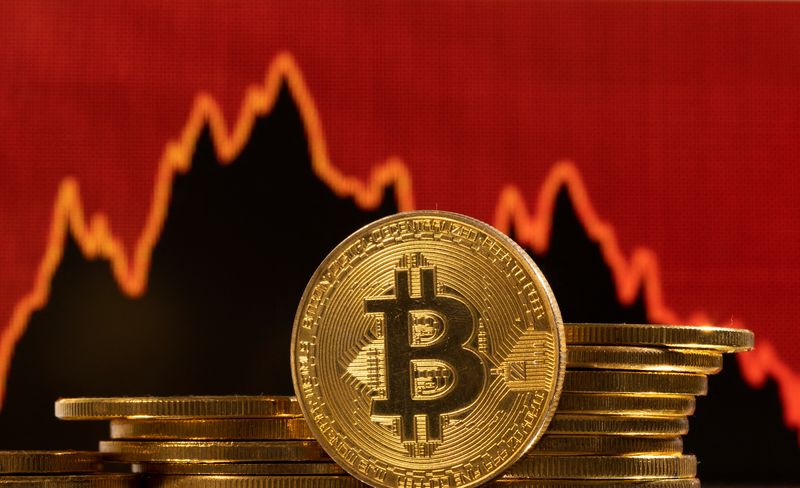
Bitcoin fell 0.6% to $76,946.7, slipping below the $77,000 level as renewed U.S. strikes in southern Iran revived geopolitical risk and reduced hopes for a near-term peace deal. Cooling spot bitcoin ETF inflows and recent net outflows added pressure, while higher Treasury yields and inflation concerns ahead of Thursday's PCE data weighed on crypto sentiment. Ether fell 0.3% to $2,101.75, XRP dropped 0.7% to $1.35, and Solana eased 1.4%.
This is a classic reflexive de-risking setup where crypto is being hit from three sides at once: headline geopolitics, tighter rates, and weakening marginal flow support. The important second-order effect is that bitcoin’s role as a “macro beta” asset is still dominant, so any rise in oil and inflation expectations can mechanically pressure it through higher real yields even if the crypto-specific narrative remains intact. That makes the move less about Iran directly and more about a near-term repricing of the discount rate and liquidity backdrop.
The ETF flow slowdown matters more than the price action implies because bitcoin has been trading like a flow-sensitive asset rather than a pure store-of-value. If institutional bid is fading while macro funds are reducing risk, downside can overshoot fast into the high-$60Ks before longer-term buyers re-engage. The counterpoint is that this kind of shock often resets positioning; if PCE comes in soft and Treasury yields back up in crypto’s favor, the market could snap higher just as quickly as it sold off.
Relative winners are the obvious safety trades: USD, gold, and select energy exposures. Less obvious is that prolonged crypto weakness can spill into adjacent high-beta equity proxies with retail/AI momentum ownership, especially where positioning was crowded and valuation already stretched. For SMCI and APP, the issue is not direct fundamental linkage to crypto, but that both sit in the bucket most vulnerable to forced de-grossing if risk parity and systematic strategies continue cutting exposure.
AI-powered research, real-time alerts, and portfolio analytics for institutional investors.
Overall Sentiment
moderately negative
Sentiment Score
-0.45
Ticker Sentiment
