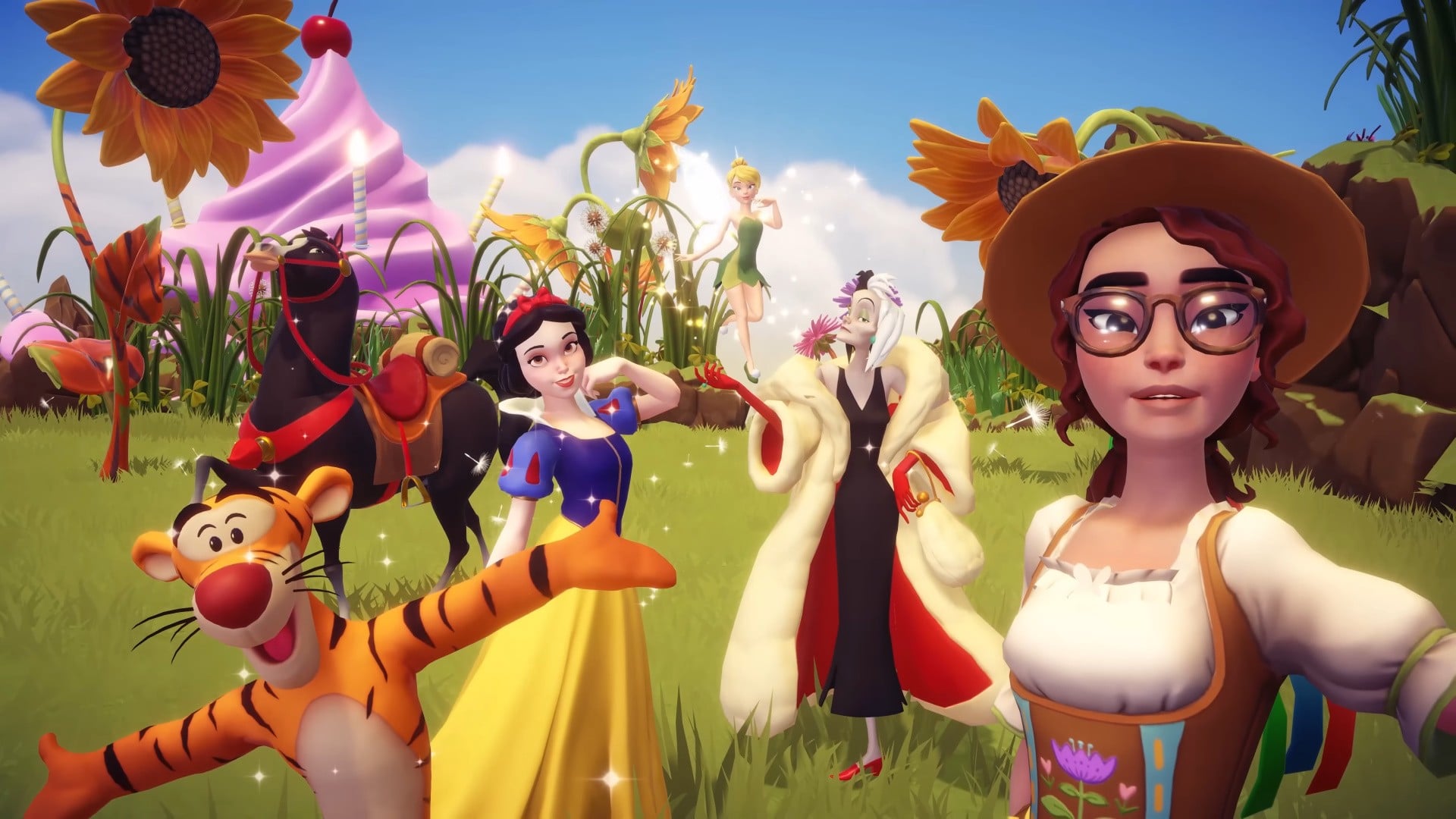
Gameloft will release a native Disney Dreamlight Valley: Nintendo Switch 2 Edition on 25 March 2026, confirmed via a Nintendo Direct Partner Showcase clip and a developer blog post. The Switch 2 build touts higher frame rates and resolution, faster load times, a raised item limit of 6,000, and a free upgrade for current Switch owners — changes that could measurably improve user experience and retention, with modest upside to Gameloft’s game-specific monetization and potential incremental hardware interest for Switch 2.
Market structure: Native Switch 2 edition tightens the hardware-software flywheel: winners are Nintendo (7974.T / NTDOY) for potential Switch 2 sell-through, Disney (DIS) for IP engagement/monetization, and component suppliers if console volumes tick up; smaller indie life-sims and non-Disney licensors are the marginal losers. Expect modest pricing power for platform holders (Nintendo) through exclusives and upgraded performance; conservatively model a 3–7% uplift in Switch 2 monthly sell-through around launch month (Mar 2026) versus baseline. Cross-asset: anticipate a short, discrete rise in implied vol for Nintendo and DIS options into the March 25 launch; modest JPY appreciation and tiny positive tilt for high-yield consumer discretionary debt on better consumer spend.
Risk assessment: Tail risks include IP/monetization backlash (consumer revolt vs. microtransactions), regulatory scrutiny on in-game monetization, and supply-side delays that could push sell-through back, each capable of creating >10% downside in related equities short-term. Immediate (days): limited market reaction; short-term (weeks to Mar 25): volatility spikes and sentiment-driven flows; long-term (quarters): durable user retention and ARPU gains only if Disney converts players into repeat spenders—otherwise negligible. Hidden dependency: the title’s monetization lift depends on cross-promos to Disney+ and cosmetic spend conversion rates; failure there caps upside. Key catalysts: Nintendo Directs, Gameloft metrics at launch week, and any Switch 2 SOC supplier announcement in the next 30–45 days.
Trade implications: Direct plays — small tactical long on Nintendo (7974.T / NTDOY) to capture hardware attach upside and implied-volatility compression post-launch, and a modest long in DIS as asymmetric, low-conviction upside. Pair trade — long 7974.T vs short large-cap games ETF exposure if data shows platform-specific outperformance; size relative positions 1–2% portfolio each. Options — buy a shallow call spread on Nintendo expiring 2–3 weeks after Mar 25 to capture positive surprise while capping premium; allocate 0.5%–1% portfolio risk. Enter now (within 7 trading days), trim 25–50% after the first 2 weeks post-launch, and reassess on sell-through and in-game monetization KPIs.
Contrarian angles: Consensus will treat this as a minor content win for Disney; it underestimates Nintendo upside from exclusive, high-attention third-party titles—historical parallel: Animal Crossing’s attach-rate boost but smaller in scale. Conversely, the market may overrate Disney’s direct revenue lift: Dreamlight Valley is engagement-led, not guaranteed to move Disney’s core linear/streaming revenue beyond low-single-digit percentages. Unintended consequence: free upgrades for existing Switch owners lower near-term DLC/upgrade monetization, potentially muting immediate ARPU gains even if engagement rises. Monitor conversion (daily active users to spenders) in the first 30 days as the primary signal to add or cut exposure.
AI-powered research, real-time alerts, and portfolio analytics for institutional investors.
Request DemoOverall Sentiment
mildly positive
Sentiment Score
0.30
Ticker Sentiment
