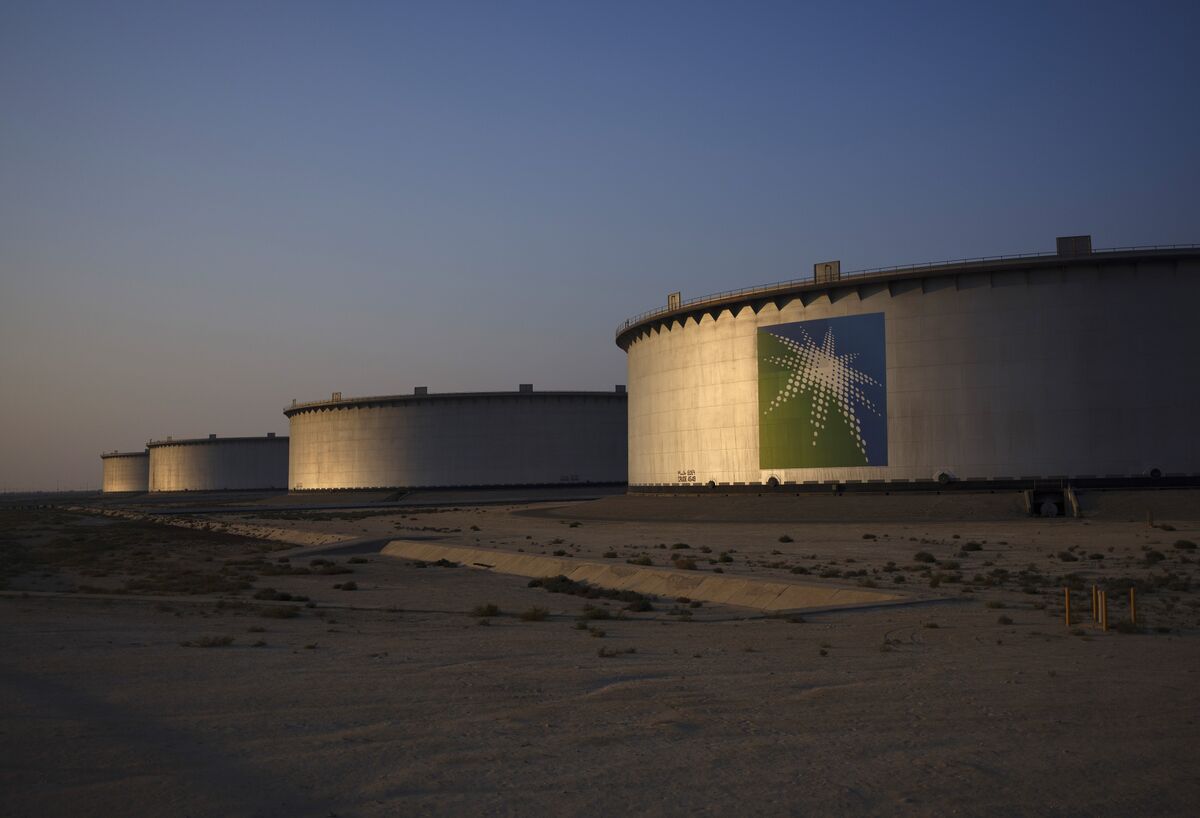
Saudi Arabia has begun cutting oil production as a near-blockage of the Strait of Hormuz is filling storage tanks, following similar moves by the UAE, Kuwait and Iraq. The effective closure of the strait is clogging exports from major Gulf producers, sending oil prices sharply higher and creating a material upside to inflation and a driver of elevated market volatility and supply risk for seaborne crude.
The market is no longer trading a temporary shipping disruption but a structural change in logistics: closure of Hormuz forces longer voyages, creates floating storage demand and transfers inventory from onshore to VLCCs, while producing countries and consumers effectively face a regional chokepoint premium. Mechanically, this pushes freight rates and time-charter values up (supporting tanker equity cashflows) and steepens contango as near-term offtake is delayed; if floating storage reaches even a modest 20–30% of spare tanker capacity, it can absorb multiple mb/d of displaced exports, keeping spot barrels off market for weeks and mechanically adding $5–$20/bbl to front-month prices depending on duration.
Second-order winners include owners of tank capacity and short-cycle US shale (ability to reprice quickly), insurers writing war-risk premiums and pipelines that avoid maritime transit; losers are airlines, Asian refiners reliant on Gulf crude grades, and trade-finance desks facing rising L/C/insurance costs which will slow flows and soften demand in 2–4 quarters. Politically-triggered supply responses (targeted production cuts, SPR releases, or diplomatic reopening) are high-probability mean-reversion catalysts within 30–90 days, but persistence beyond ~3 months materially raises the probability of demand destruction and substitution effects (refinery swaps, heavier crude buying from alternative corridors).
Key tail-risks: a negotiated corridor reopening or an unexpected rapid SPR program would erase the storage-on-water trade and collapse contango; conversely, escalation (attacks on more tankers/pipelines) would create multi-month dislocations and push Brent into the +$30 shock bucket. Monitor floating storage utilization, VLCC time-charter rates, and front-month vs 12-month Brent spreads—if contango >$8 and VLCC utilization >80% for two weeks, the market is pricing a protracted shutdown; if both reverse inside 30 days, the squeeze is over.
AI-powered research, real-time alerts, and portfolio analytics for institutional investors.
Request DemoOverall Sentiment
strongly negative
Sentiment Score
-0.60
