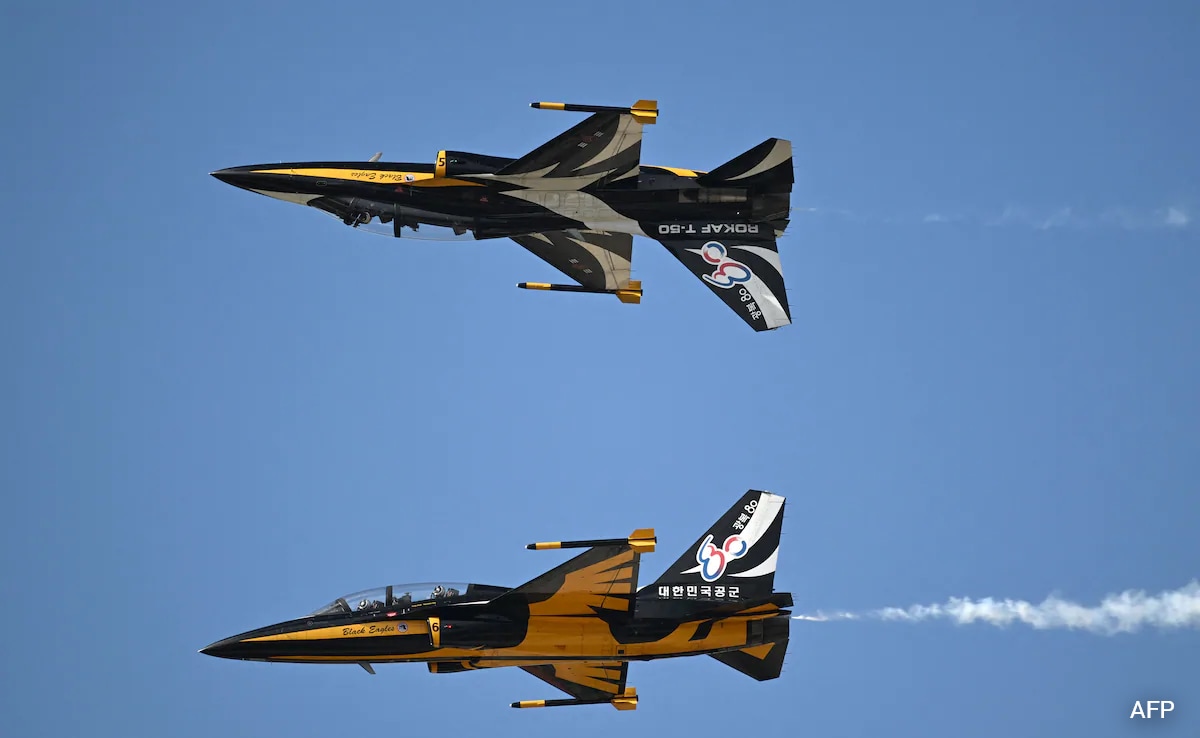
A South Korean fighter pilot was ordered to pay 88 million won, or about Rs 55 lakh, in damages after causing a 2021 mid-air collision while trying to film himself during flight. The incident resulted in 878 million won in total damage, though there were no casualties and the board reduced his liability to 10% of repair costs. The case highlights operational discipline and governance issues within military aviation, but it is unlikely to have meaningful market impact.
This is less about the accident itself and more about governance signal decay inside defense institutions. The second-order risk is that a seemingly isolated lapse can force tighter flight-procedure enforcement, more supervision, and potentially slower sortie tempo across a fleet already constrained by maintenance and pilot availability. In the near term, that is a readiness headwind, not a procurement event, but it can still raise operating friction for prime contractors if flight-hour utilization is scrutinized or deferred.
The legal liability reduction matters because it hints at selective leniency rather than zero-tolerance accountability, which can cut both ways. On one hand, it preserves morale and avoids a chilling effect on pilot initiative; on the other, it normalizes non-standard behavior if command culture is perceived as forgiving after the fact. For defense investors, the real watch item is whether ministries respond by mandating procedural upgrades, cockpit video restrictions, or training revisions that pull budget toward software, telemetry, and safety systems rather than new airframes.
Contrarian view: the market may over-interpret this as headline noise with no investable consequence, but governance incidents in defense often create a slow-burn compliance cycle that benefits entrenched platform providers and avionics/mission-systems vendors. Any incremental spending is likely small in absolute terms, yet it can be recurring and margin-accretive for contractors selling training simulators, debrief systems, and flight safety software. The adverse tail is reputational: if this feeds broader audits of operational discipline, it could delay discretionary procurement decisions for months.
AI-powered research, real-time alerts, and portfolio analytics for institutional investors.
Request TrialOverall Sentiment
mildly negative
Sentiment Score
-0.20
