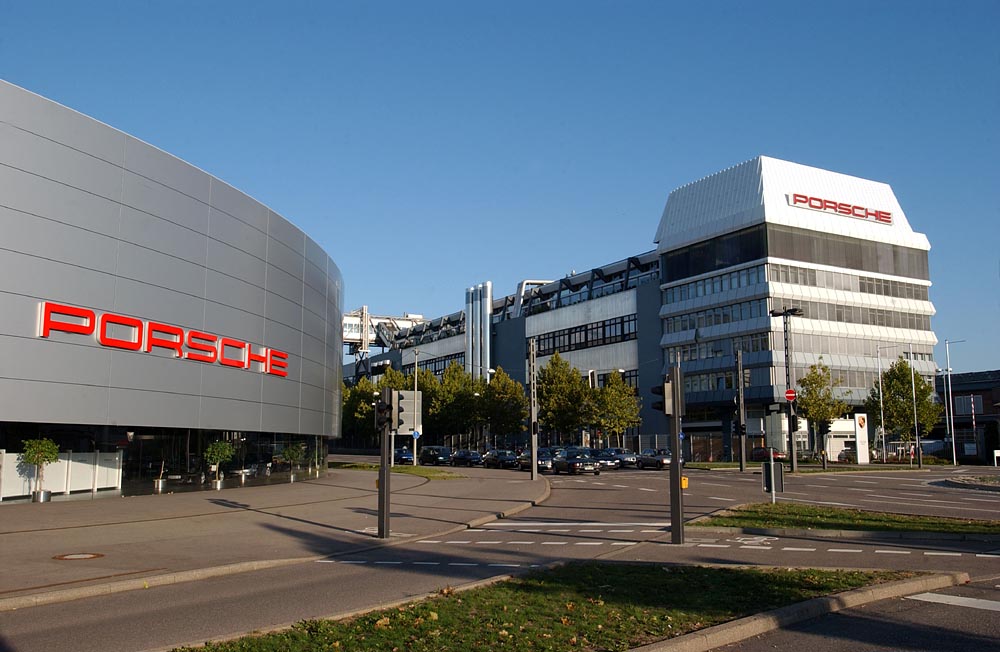
Porsche will cut 500 jobs and shut its battery and software units as part of a move to sharpen focus on its core business. The restructuring signals pressure to streamline operations and reduce exposure to non-core EV technology investments. The announcement is negative for near-term sentiment, though the market impact is likely limited to Porsche and related auto suppliers.
This is less about the absolute size of the cut and more about signaling a strategic reset: management is effectively admitting that the EV/software stack is not yet a source of durable advantage and is choosing to reallocate scarce execution bandwidth back to the ICE/higher-margin core. For competitors, that creates a near-term opening for firms that can monetize software and battery economics more efficiently; for suppliers, it reinforces a bifurcation between commodity battery/software vendors and the handful of scale players with real cost curves. The second-order effect is that European OEMs may quietly slow internal EV capex as they watch a premium brand de-emphasize adjacent ventures that were supposed to support the transition.
The main risk window is 3-12 months, not days: restructuring rarely boosts earnings immediately because severance, write-downs, and organizational churn usually front-load the pain while the margin benefit arrives later. The real catalyst is whether management follows this with a broader capital discipline reset—if yes, the market may reward the stock for higher free cash flow conversion and lower execution risk; if not, the move reads as defensive contraction and multiples compress. A softer consumer backdrop would amplify the benefit of focusing on core products, but a rebound in EV demand or battery cost declines could make the retreat look premature.
The contrarian view is that the market may already be pricing the “good news” of simplification, while underappreciating the strategic cost of giving up optionality in software and batteries. That optionality matters because future vehicle margins may increasingly depend on differentiated electronics, energy management, and recurring revenue rather than metal-bending alone. If the company cannot prove it can build that capability externally or via partners, this could become a long-run multiple ceiling rather than a value-unlocking event.
AI-powered research, real-time alerts, and portfolio analytics for institutional investors.
Request DemoOverall Sentiment
mildly negative
Sentiment Score
-0.35
Ticker Sentiment
