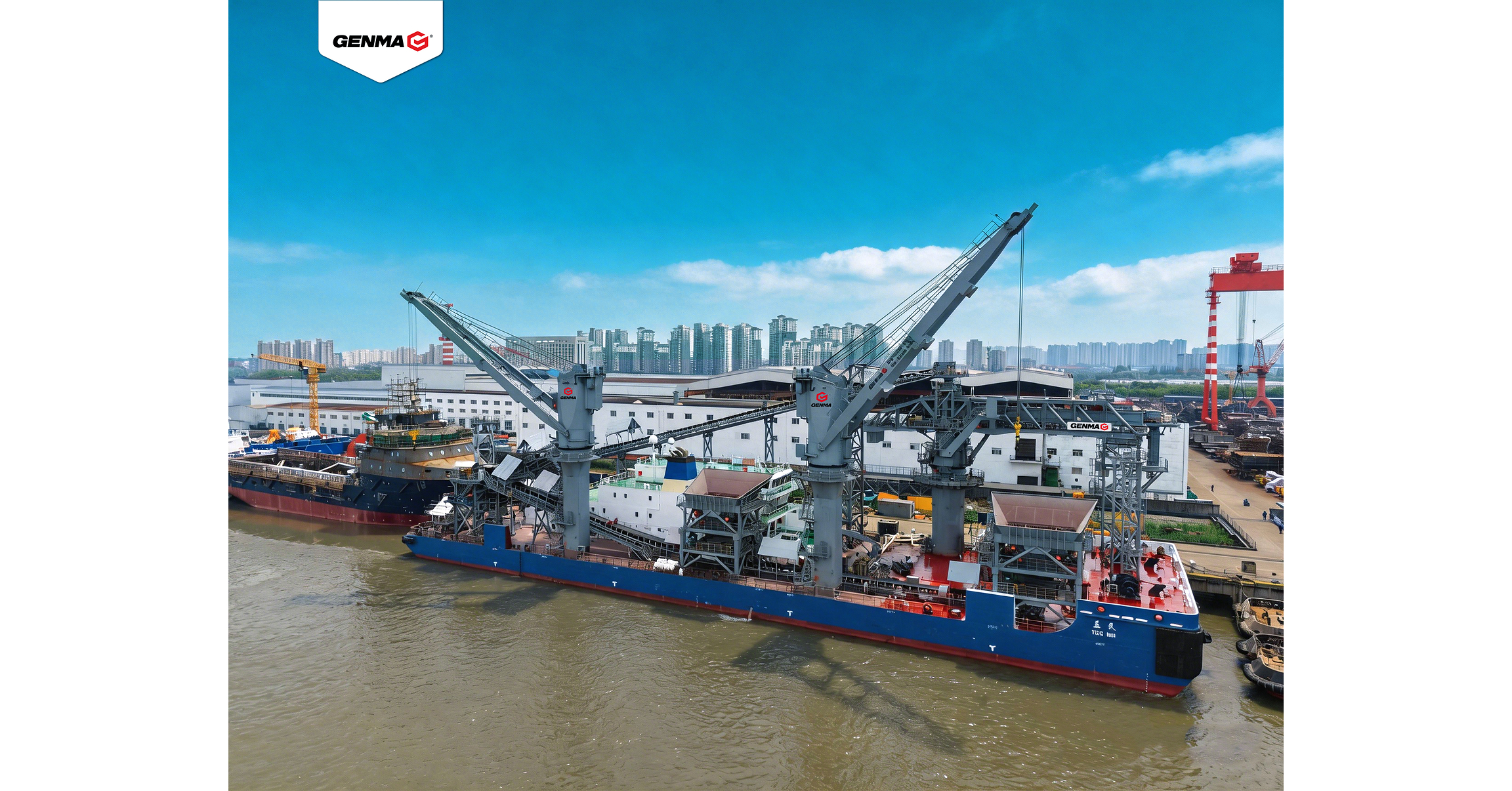
GENMA hat die Inbetriebnahme eines neuen schwimmenden Umschlagsystems für Westafrika erfolgreich abgeschlossen, um Mineralexporte in Tiefwasser zu verladen (Bezug: Boffa/Guinea, wo große Erzfrachter mit ~300.000 Tonnen nicht anlegen können). Das System (2 Deckkräne, 2 Trichter, Förderband, Schiffsbelader) soll den Transfer vom Lastkahn direkt auf das große Schiff ermöglichen und ist auf Offshore-Bedingungen (Korrosionsschutz, stabile Konstruktion) sowie kontinuierlichen Betrieb ausgelegt. Laut Meldung sind Motoren, Sensoren und Steuerungssysteme getestet und einsatzbereit; Servicezentren/Ersatzteillager in Tanger und Mombasa sowie ein Lager in Boffa sollen Ausfallzeiten reduzieren.
This is less a commodity call than a logistics-option story: a floating transshipment node turns stranded inland/mining assets into exportable barrels without requiring a deep-water harbor buildout. The economic winner is the miner with the shallow-water constraint, but the more interesting second-order effect is that the value migrates from geography to uptime: firms with reliable spares, local technicians, and corrosion-resistant equipment can monetize repeated throughput while one-off project EPC margins get competed away.
The market implication is modest in the first few days because one commissioned system rarely changes seaborne balance sheets on its own. Over 1-3 months, the watch item is not the press release but realized tonnage, demurrage, and whether buyers start signing longer-dated offtakes against more reliable West African supply; that is what can pressure alumina/bauxite premia and improve confidence in future mine expansions. Over 6-18 months, if this model is copied across the region, the structural losers are port-constrained incumbents and freight intermediaries that profit from friction.
The contrarian point: investors may overestimate the immediate impact on dry bulk rates and underestimate the strategic value of reducing supply-chain brittleness for China-linked raw material flows. Still, the thesis breaks quickly if the system underperforms in rough weather, maintenance issues create downtime, or the incremental export volumes fail to show up in customs/shipping data. Until then, this is an alert item, not a high-conviction macro trade.
AI-powered research, real-time alerts, and portfolio analytics for institutional investors.
Request DemoOverall Sentiment
mildly positive
Sentiment Score
0.25
