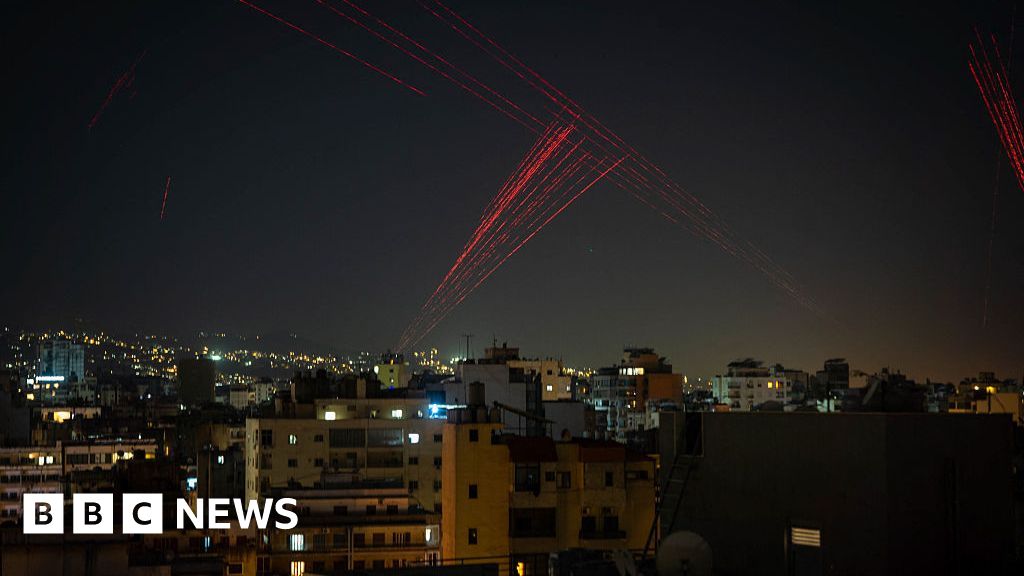
Israel and Lebanon agreed to a 10-day ceasefire effective 17:00 EST on 16 April, with the option to extend it by mutual agreement if talks progress. The deal lets Israel retain self-defense rights, requires Lebanon to curb Hezbollah and other armed groups, and aims to facilitate further direct negotiations toward a broader security and peace agreement. Despite the truce, Israel says it will keep a 10 km security zone in southern Lebanon, and the conflict has already caused more than 2,100 deaths in Lebanon and 13 Israeli soldiers killed.
This reads less like a durable de-escalation than a time-boxed tactical reset, and that matters because the market consequence is mostly about path dependency, not the headline itself. The key second-order effect is that Israel appears to be preserving operational latitude while Lebanon is being asked to police a non-state actor it does not fully command; that asymmetry makes the truce brittle and raises the probability of localized violations that can reprice risk assets quickly within days, even if the broader framework survives for weeks.
The more interesting signal is political optionality. By keeping the door open to direct talks, both sides can claim deconfliction progress without committing to a hard security settlement, which lowers immediate escalation odds but increases the chance of episodic flare-ups used as leverage in negotiation. If that dynamic holds, the near-term winner is any asset tied to a lower Lebanon war premium: airlines, regional tourism, and select European risk proxies; the loser is anything exposed to sustained insurance, logistics, or Mediterranean security disruption.
The contrarian read is that markets may underprice the probability of a partial occupation becoming semi-permanent. If the buffer line remains in place beyond the initial window, the conflict shifts from a ceasefire story to a land-control story, which is much harder to unwind and could extend pressure on reconstruction and infrastructure names in Lebanon for months. That creates a cleaner short-vol setup than a directional geopolitical bet: realized volatility can fall immediately on the truce, but headline gamma remains high because one tactical violation can reset the whole negotiation.
AI-powered research, real-time alerts, and portfolio analytics for institutional investors.
Request TrialOverall Sentiment
neutral
Sentiment Score
0.05
