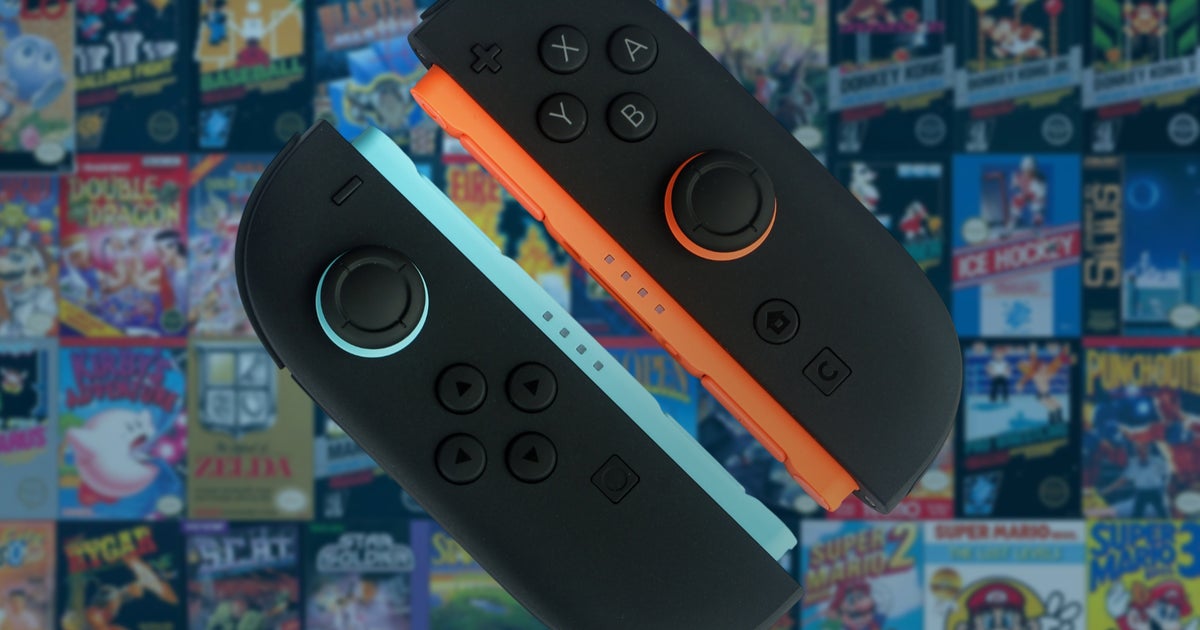
Nintendo released system update Ver. 22.0.0 on March 16, 2026 adding 'Handheld Mode Boost', which lets compatible Switch titles run in handheld as if in TV mode — effectively enabling Switch 2 handheld 1080p upscaling from the original 720p and potential performance gains. Several motion/touch-reliant titles (e.g., Super Mario Maker 2; Pokémon: Let’s Go Pikachu/Eevee; Super Mario 3D All‑Stars; Skyward Sword HD; Clubhouse Games; Taiko no Tatsujin: Drum 'n' Fun!; Pikmin 1+2) are blocked; the feature may increase power draw and alter control behavior. Implication: modest positive for Switch 2’s consumer value proposition and software longevity, likely to slightly boost engagement/demand but unlikely to move Nintendo’s stock materially in the near term.
From a product-lifecycle lens, a software-level uplift to legacy titles materially extends their monetizable tail without the R&D or marketing cost of full remasters. Expect a multi-quarter flattening of new-release urgency: frequent replays and improved visuals raise lifetime engagement, which translates to higher digital store conversion and lower marginal promo spend per engaged user. Conservatively model a 3–8% lift to aggregate digital transactions on the platform over 6–12 months, concentrated in catalogue-heavy quarters.
The most direct supply-chain effects are in low-capex peripherals and consumables: higher-resolution handheld play increases demand for higher-capacity microSD, protective cases with better thermal profiles, and battery packs. NAND suppliers and mid-market accessory OEMs should see order flow reallocated from one-off title promotions into persistent replacement/upgrade purchases; expect a 5–15% incremental unit demand over the next 9–18 months depending on install base uptake. Conversely, developers whose revenue depends on premium-priced remasters face margin pressure as marginal perceived value of ‘paid upgrades’ erodes.
Tail risks center on user experience and PR: elevated power draw or compatibility glitches that surface in the first 30–90 days can produce outsized negative sentiment and a visible stop-drop in engagement metrics; a small percentage of titles failing to function correctly could create disproportionate headlines. On the policy/regulatory front there’s limited immediate exposure, but a pattern of degraded battery life could accelerate returns, warranty claims, or consumer protection scrutiny within 3–12 months. Monitor engagement and refund trends in weekly telemetry and sentiment in the first 8 weeks post-deployment.
Contrarian view — the market will overrate the revenue permanence of a firmware bump. While engagement can spike, the marginal ARPU per user may fall if players satisfy nostalgia needs without purchasing new content, compressing long-term monetization. Tactical positioning should therefore favor hardware-adjacent suppliers and consumables with recurring sales over pure-play content remasterers whose upside is binary and easily cannibalized.
AI-powered research, real-time alerts, and portfolio analytics for institutional investors.
Request DemoOverall Sentiment
mildly positive
Sentiment Score
0.25
