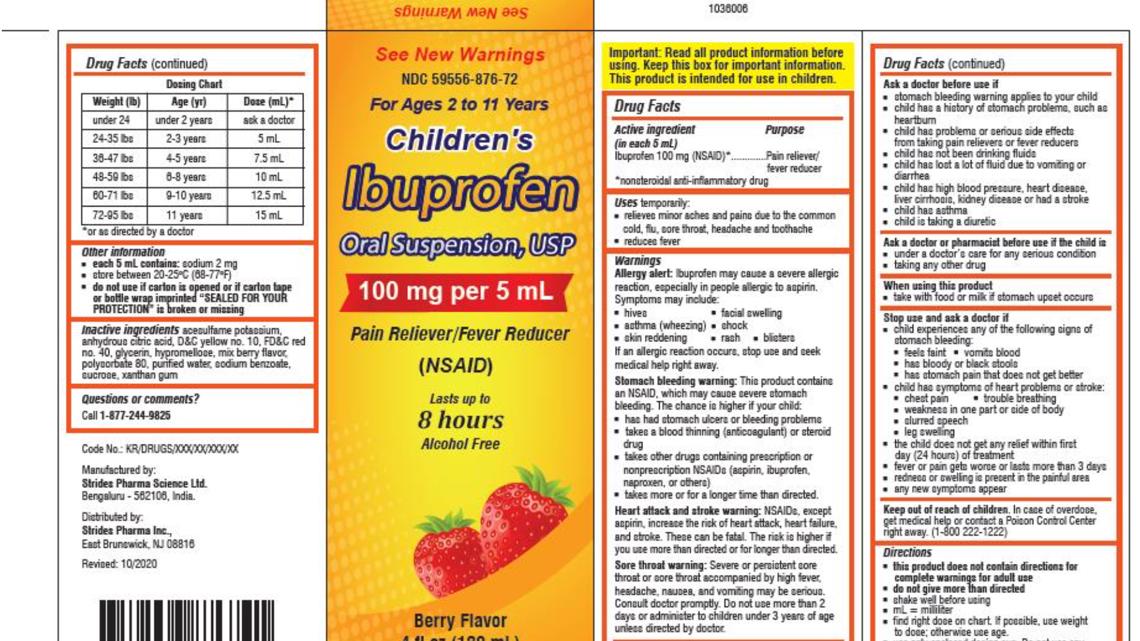
Strides Pharma recalled ~89,592 bottles of Children’s Ibuprofen Oral Suspension (100 mg/5 mL, 4 fl oz) nationwide after reports of a gel-like mass and black particles; the FDA classified it a Class II recall (D-0390-2026) covering lots 7261973A and 7261974A (exp 2027-01-31). Product was manufactured for Taro Pharmaceuticals USA and distributed across the U.S.; FDA reports no serious adverse events and advises consumers to stop use immediately.
This event is primarily a reputational and operational shock to smaller contract manufacturers and the private‑label channels that rely on them; capacity reallocation and incremental QA check costs are the more durable consequences rather than a permanent demand collapse for OTC analgesics. Expect a two‑stage market response: an immediate weeks‑long substitution away from affected SKUs (benefiting large, vertically integrated incumbents with excess finished‑goods or domestic bottling) and a 3–9 month second‑order effect where retailers tighten vendor onboarding and push for redundant QA documentation, raising fixed costs for smaller CDMOs.
Regulatory and insurance angles create distinct catalysts: targeted FDA inspections and any follow‑on field alerts will compress margins for exposed suppliers through forced lot quarantines and increased audit frequency; in parallel, product liability carriers may reprice policies for firms in similar segments, affecting cash flows over the next 6–12 months. Conversely, a clean lab confirmation or rapid remediation can reverse sentiment in days — the market’s real risk is ambiguous remediation timelines, not the low medical severity of this individual event.
From a demand perspective, parents’ short‑term hygiene bias typically drives a measurable shift to alternative analgesics and stronger brands for 4–12 weeks post‑incident; if competitors respond with promotional activity or temporary price discounts, share shifts can become sticky. The most actionable arbitrage sits between scaled manufacturers who can absorb incremental QA costs and smaller, export‑oriented suppliers that will see order reallocation and higher working capital needs.
AI-powered research, real-time alerts, and portfolio analytics for institutional investors.
Request DemoOverall Sentiment
mildly negative
Sentiment Score
-0.20
