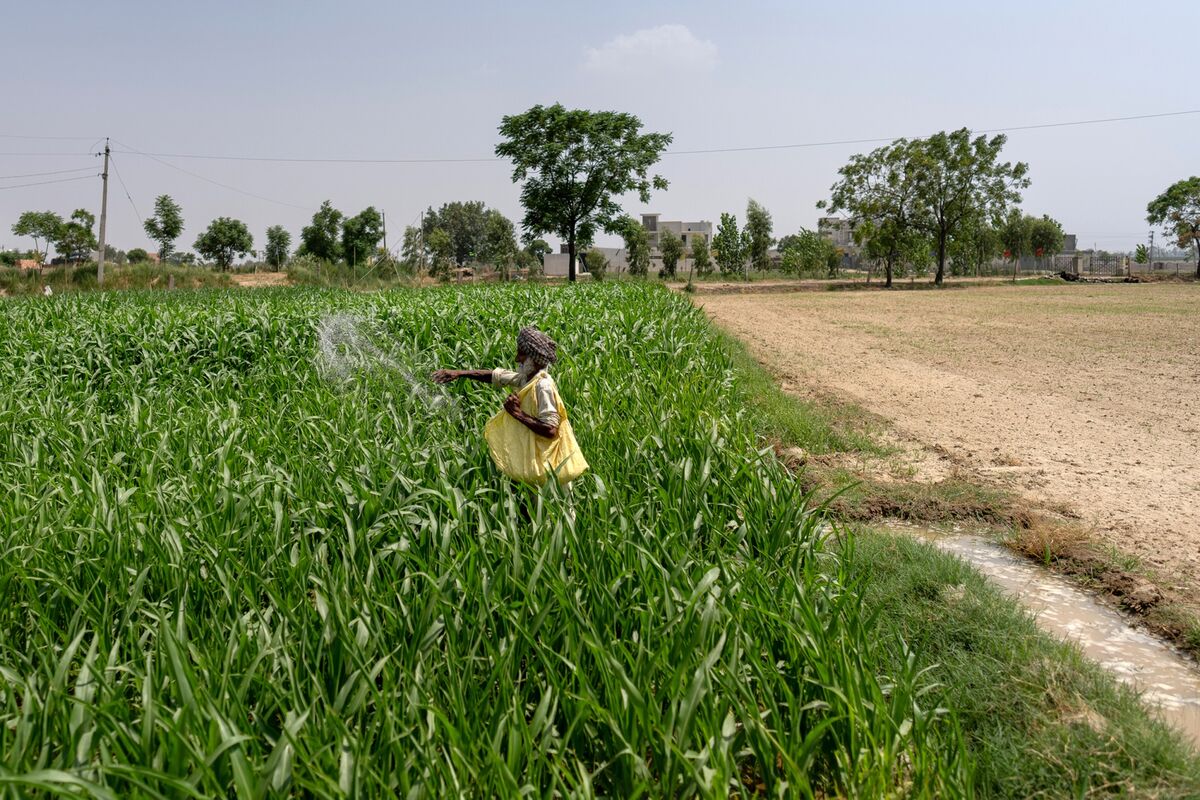
India’s fertilizer costs have more than doubled as war-driven disruptions around Iran strain global fertilizer/energy flows, pushing up import bills and the government’s subsidy burden. The higher costs are worsening rupee weakness, contributing to significant FX outflows and keeping the currency among Asia’s worst performers this year. The article highlights pressure to overhaul a decades-old, urea-heavy support system that has kept farm prices below market rates despite soaring procurement expenses.
This is less a one-off input shock than a forced repricing of India’s agri-policy bargain. If the state keeps urea artificially cheap, the offset shows up in a wider deficit and more FX leakage; if it passes costs through, the hit lands in farm incomes and usage rates. Either way, the market mechanism is bearish for INR and Indian duration over the next 1-3 months, while global nitrogen producers gain pricing leverage if import demand stays tight.
The second-order risk is that India’s long-standing overapplication of urea has been a hidden support for water-intensive cropping and farm productivity optics. A slow reduction in application would create a lagged drag on rural cash flow, which can spill into two-wheelers, staples, and small-cap lenders over 6-18 months. The immediate winners are CF, NTR, and other nitrogen-linked names; the bigger loser is the India macro basket, not just fertilizer importers.
The contrarian miss is that a policy pivot could reduce India’s import volumes faster than consensus expects, limiting upside in fertilizer equities after the first leg. That would still leave the fiscal/FX story intact unless global nitrogen prices normalize or the government absorbs the bill without tightening elsewhere. Falsifiers: a stable INR, rising subsidy allocations, or a clear rollback in import pricing pressure within the next budget cycle.
AI-powered research, real-time alerts, and portfolio analytics for institutional investors.
Overall Sentiment
moderately negative
Sentiment Score
-0.35
Ticker Sentiment
