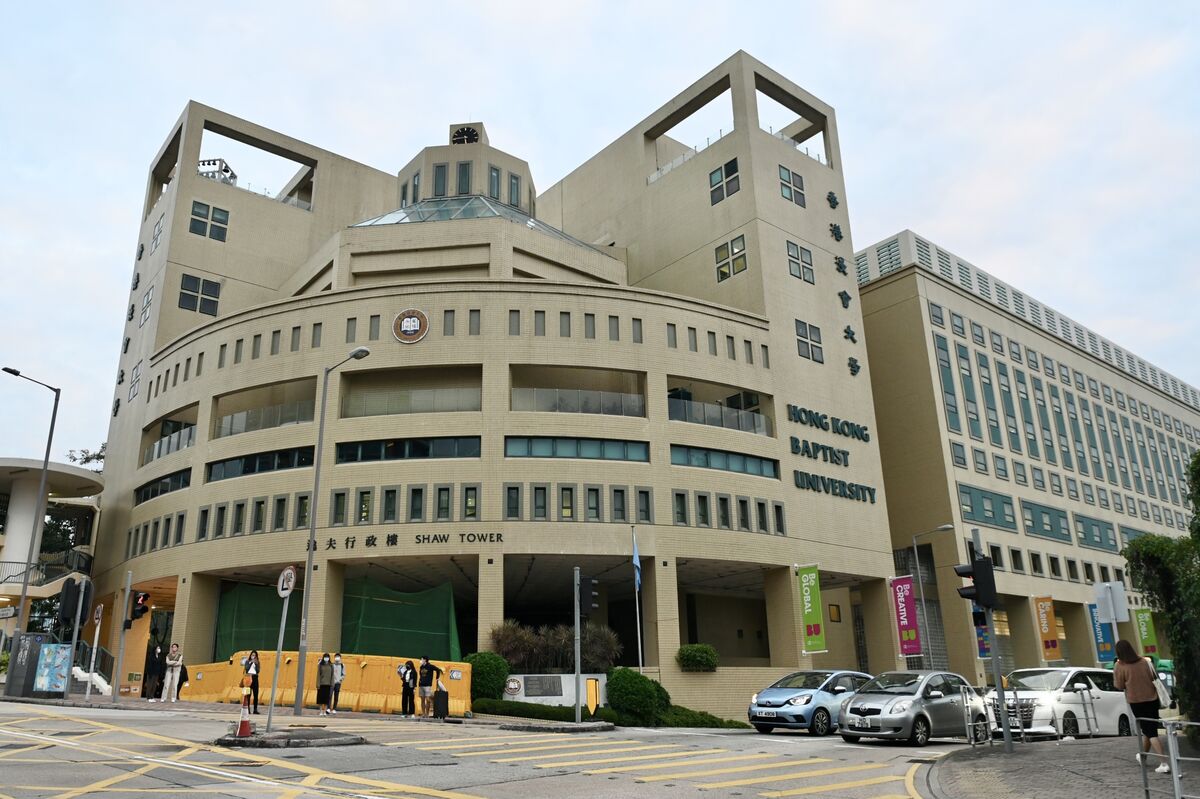
Hong Kong Baptist University, a publicly funded institution with roughly HK$8 billion (about $1 billion) in endowment investments and cash reserves, plans to increase its allocation to private investments to roughly 10% of its endowment portfolio. Treasurer Kevin Liem said the move — expanding exposure to alternatives including private equity and private credit — is intended to diversify away from volatility in public markets, a modest but notable signal of greater institutional interest in Asian private markets.
MARKET STRUCTURE: A $100m reallocation (10% of HKBU’s ~US$1bn) into private equity/credit is small in absolute terms but signals growing institutional LP demand in Hong Kong/Asia. Winners: boutique Asia-private-equity firms, private-credit originators, placement agents and secondaries platforms; losers: short-term liquidity providers and lower-tier public small-caps that lose marginal flows. Expect upward pressure on GP economics (0.5–1.5% fee lift for top managers) and bid-up in secondary pricing for 1–3 years.
RISK ASSESSMENT: Tail risks include regulatory limits on capital export from HK/Mainland (low-probability, high-impact), a private-market valuation reset in a recession, or university governance failures misallocating funds. Immediate impact is negligible (days), short-term (3–12 months) sees fundraising and pricings move, long-term (1–5 years) may structurally reduce public-market allocation. Hidden dependency: clustering of LPs increases co-invest competition and compresses future alpha.
TRADE IMPLICATIONS: Direct plays favor public alternative-asset managers with Asian exposure: KKR (KKR), Blackstone (BX), Ares (ARES) and high-yield BDCs like Ares Capital (ARCC) for yield. Pair trades: long managers/private-credit vs short liquid high-yield (HYG) to capture spread compression and fee capture; use 3–9 month option call spreads to limit cost. Rotate away from small-cap HK cyclicals into financials/asset managers over next 1–3 months.
CONTRARIAN ANGLES: The market may overstate impact — $100m is precedent, not a tsunami; pricing pressure will concentrate on top-quartile deals, not broad market, so avoid crowded mid-market funds where returns fall below targeted 8–10% net. Historical parallel: post-2010 endowment flows bid private prices up then corrected in 2018–2020 downturn. Unintended consequence: rising bids for secondaries reduce future entry returns—alpha will shift to sourcing/operational value-add.
AI-powered research, real-time alerts, and portfolio analytics for institutional investors.
Request DemoOverall Sentiment
mildly positive
Sentiment Score
0.12
