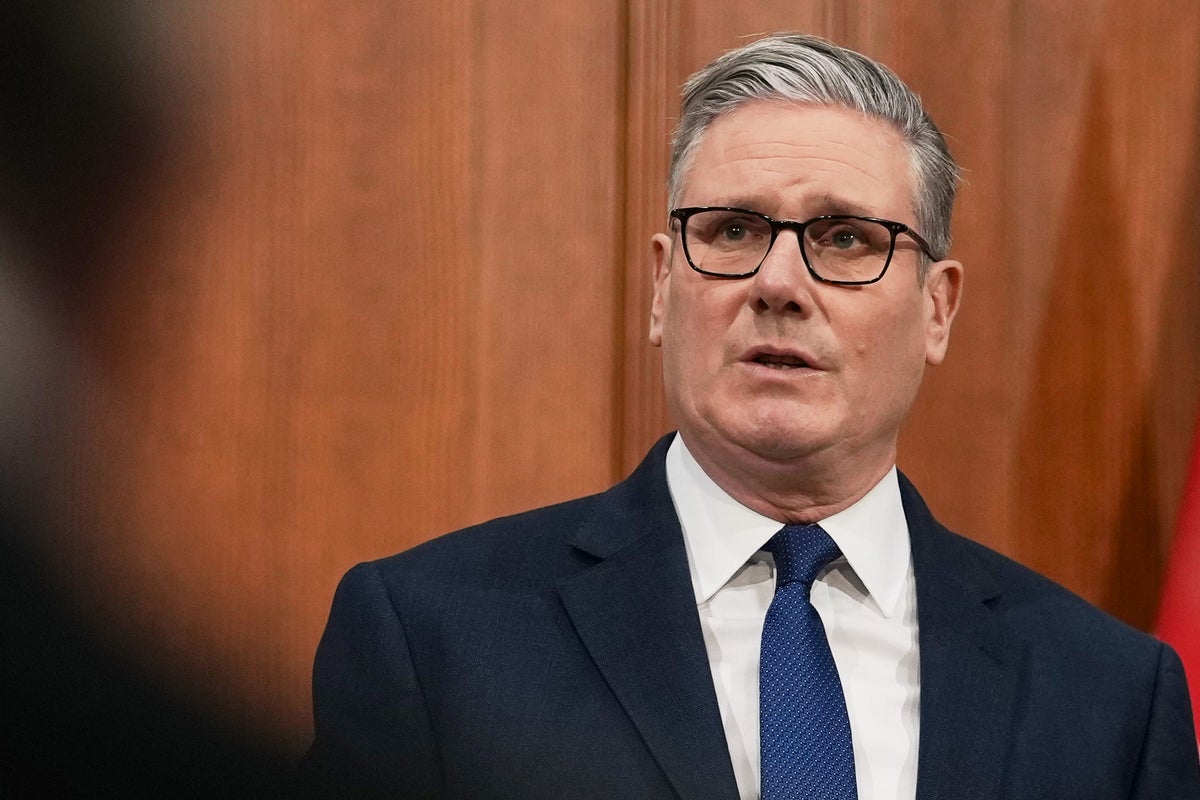
UK Prime Minister Keir Starmer said Britain will not support Donald Trump’s proposed blockade of the Strait of Hormuz and is instead focused on keeping the key oil and gas shipping lane open. The standoff comes as the strait has been effectively shut by Iran and global energy prices have spiked. The development raises near-term geopolitical and shipping-risk concerns for oil markets and broader supply chains.
The key market implication is not the diplomatic split itself, but the signaling that the naval risk premium is now politically fragmented while physical shipping risk remains unresolved. That combination tends to widen volatility in front-month energy and tanker rates before it fully shows up in spot crude, because charterers respond to perceived interdiction risk faster than end consumers adjust demand. The first-order beneficiaries are not just upstream energy producers; the cleaner expression is via freight, insurance, and maritime security names where pricing power can re-rate within days. The second-order loser set is broader than airlines and chemicals. Any business with high imported fuel intensity and thin inventory buffers faces margin compression if the strait remains functionally constrained for even 2-4 weeks, while refiners can be squeezed from both sides if crude spikes faster than product spreads normalize. The bigger risk is a delayed reopening that keeps prompt barrels scarce but also raises the odds of a policy-driven de-escalation event, which can create sharp one- or two-session reversals in crude and related equities. Consensus is likely underpricing how fast allied governments can shift from rhetoric to escort/mine-clearing support if commercial insurance markets seize up. That makes the trade asymmetric: the most attractive long is not a naked oil beta position, but a volatility structure that benefits from either a spike or a sustained risk premium. Conversely, if diplomacy produces even a partial corridor opening, the unwind could be violent because positioning in energy has already leaned risk-off and crowded into headline hedges.
AI-powered research, real-time alerts, and portfolio analytics for institutional investors.
Overall Sentiment
moderately negative
Sentiment Score
-0.30
