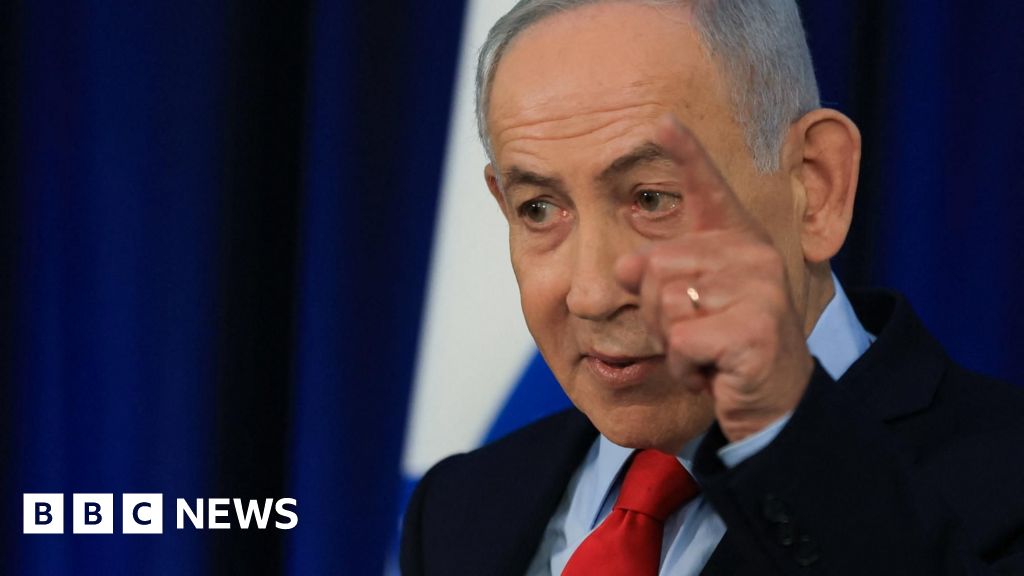
17% of QatarEnergy's LNG export capacity was impacted after Iran struck Ras Laffan and the UK gas benchmark briefly spiked to almost 183p/therm before settling at 154.8p (+11.3% from Wednesday). Israel says it "acted alone" in striking Iran's South Pars gas field, Iran retaliated against energy targets and restricted Strait of Hormuz shipping (roughly 20% of daily global oil flows), prompting US consideration of lifting some Iranian oil sanctions. The strikes represent a clear escalation that materially raises energy-market volatility and drives a risk-off move across commodities and related assets.
Energy-market dislocations from targeted strikes will show up as a rerouting and duration mismatch rather than a one-time supply loss: buyers with long-term contracts (and Qatari-linked portfolios) can flex less, so marginal spot demand will escalate, pushing front-month LNG/TTF/NBP curves sharply higher for 30–90 days while forwards re-price over 6–12 months. Shipping and insurance are the immediate choke points — war-risk premia and time-charter rates rise faster than production curves can adjust, creating outsized returns for owners of scarce LNG tonnage and FSRU assets even if physical output is restored within months.
Escalation tail risks are asymmetric and clustered by timeframe: days (spot spikes and cargo cancellations), weeks–months (contract renegotiation, storage draws, redirecting Asian cargoes to Europe), and years (capex reallocation into floating/regas capacity and security upgrades). The main de-risk pathways are diplomatic accommodation or tactical market intervention (SPR releases, sanctions waivers) that can shave >30% off near-term risk premia within 2–8 weeks; absent that, expect a multi-quarter elevation in volatility and basis differentials.
Consensus underestimates cross-asset knock-ons: higher gas and oil volatility will pressure industrials, fertiliser producers and airlines unevenly, creating cheap hedges and pair opportunities. The tactical window for option strategies is short — enter within 48–72 hours to capture front-month convexity, and size conservatively (single-digit percent portfolio) given high binary tail risk and potential for rapid policy-driven reversals.
AI-powered research, real-time alerts, and portfolio analytics for institutional investors.
Request DemoOverall Sentiment
strongly negative
Sentiment Score
-0.65
