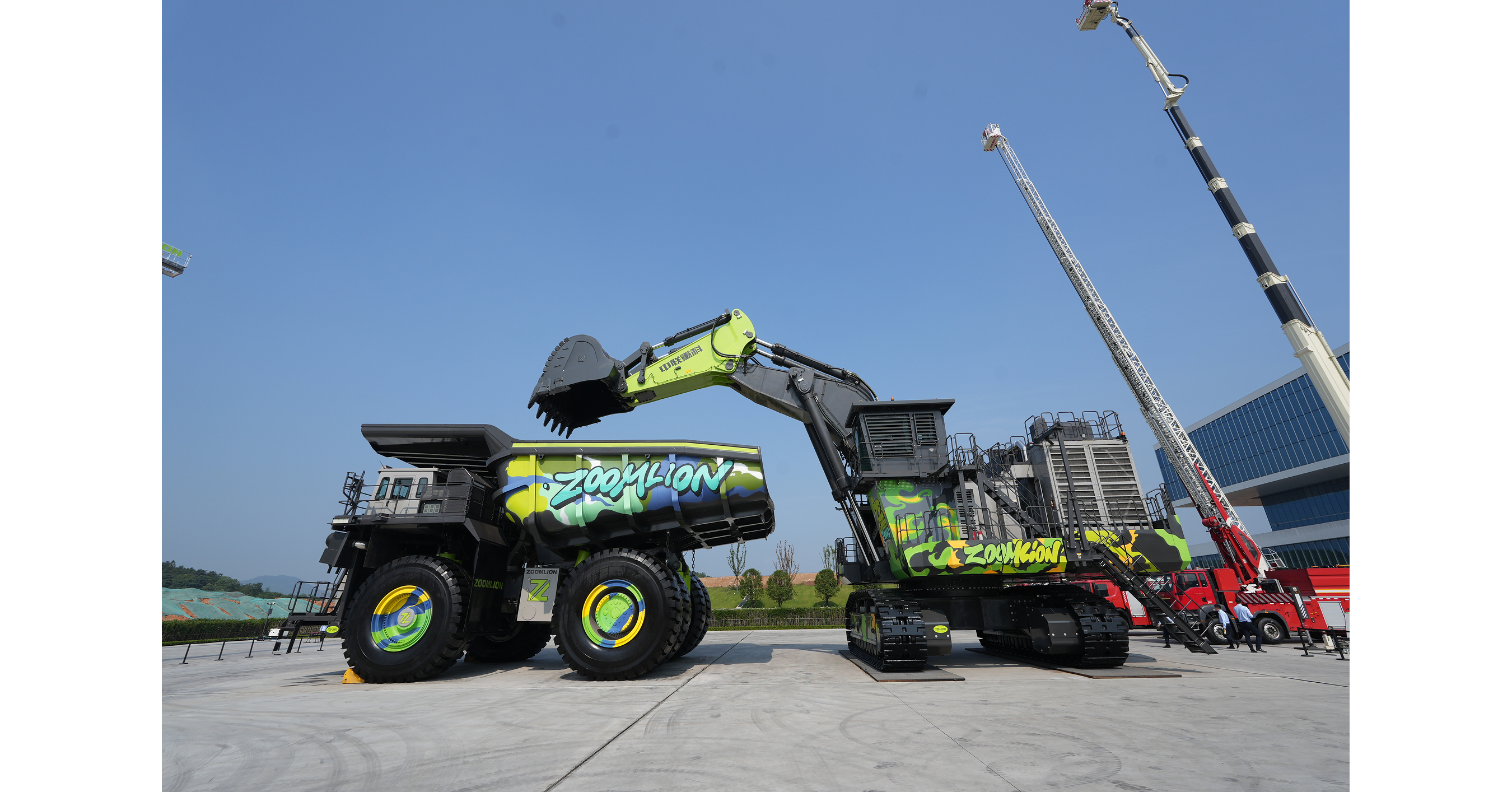
Zoomlion highlighted five hybrid/electric-drive technology achievements at its June 16 conference, including an ultra-high-horsepower hybrid tractor and electric-drive control for large equipment. The company reports early performance outcomes from new-energy ag machinery: the hybrid wheat harvester delivering ~30% fuel savings and the hybrid tractor ~8%, alongside chassis-by-wire for unmanned mining trucks. Zoomlion also cites ~60 new-energy products developed in 2025 and a current portfolio of 240 units spanning battery-electric, hybrid, and hydrogen fuel-cell powertrains.
Zoomlion is trying to turn electrification from a marketing claim into a product architecture advantage. The real economic lever is not ESG optics; it is total cost of ownership in high-duty-cycle fleets, where fuel burn, downtime, and operator safety matter more than sticker price. If the company can prove its hybrid and electric systems hold up in mines and farms, it can defend pricing and win share against diesel-centric OEMs that will need to spend to catch up.
The second-order winners are component suppliers tied to motors, power electronics, battery packs, and battery-swapping infrastructure; the losers are legacy engine content and service-heavy diesel ecosystems. That said, internalizing more of the stack can also compress gross margin near term if Zoomlion is still subsidizing field validation, warranty risk, and platform development. The market should be careful not to extrapolate technology recognition into near-term revenue inflection; this is a multi-quarter conversion story, not a next-month earnings story.
The main catalyst path is backlog quality and mix over the next 1-3 quarters: if new-energy products show up as higher ASPs, better utilization, or lower warranty claims, the thesis gets real. The key falsifier is any sign that adoption remains pilot-only, gross margin is diluted by expensive components, or customers only buy when subsidies are available. A useful contrarian point is that electrification may be overhyped in construction equipment but underappreciated in mining and agricultural niches where fuel savings are measurable and fleet uptime is monetizable.
AI-powered research, real-time alerts, and portfolio analytics for institutional investors.
Overall Sentiment
mildly positive
Sentiment Score
0.18
Ticker Sentiment
