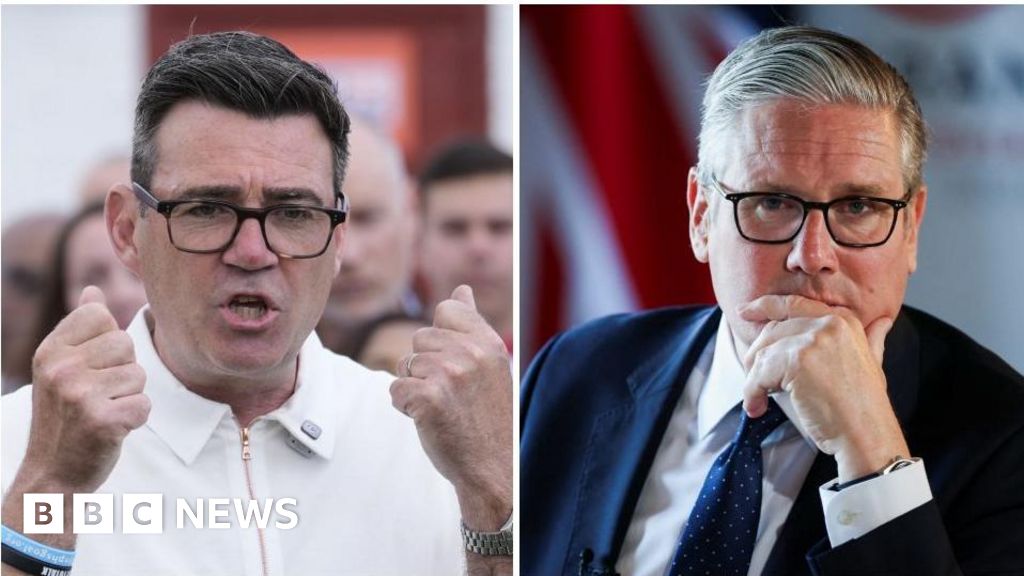
Labour leader Sir Keir Starmer is under mounting pressure to set a timetable for departure after Andy Burnham's resounding Makerfield by-election win, which gives Burnham the right to stand for party leader. Burnham's allies and several Labour MPs are pushing for a managed transition, while Starmer says he will fight any contest and is not "walking away." The political turmoil is primarily domestic and governance-related, with limited direct market impact.
The market implication is not about ideology; it is about decision latency. A credible leadership spill would freeze fiscal and policy execution for weeks, and that matters most for sectors reliant on near-term public capital allocation: defense procurement, rail, housing, and utilities. The first-order read-through is lower odds of a clean multi-year policy runway, but the second-order effect is a discount rate increase on UK domestic cyclicals because investors will now price in a higher probability of budget slippage, delayed spending commitments, and weaker ministerial coherence.
The most important near-term signal is not whether Starmer survives, but whether the party can contain the process into a managed transition. A fast, orderly handover to Burnham would be marginally positive for UK risk assets versus a protracted contest, because it reduces the duration of governance paralysis. If the dispute drags into cabinet resignations or visible MP defections, the hit would likely show up first in sterling, UK small caps, and banks via a broader UK growth risk premium rather than through direct earnings downgrades.
The contrarian point: a Burnham-led reset could be mildly supportive for domestic demand and public investment names if the market starts to believe in a more activist fiscal stance. That would help contractors and infrastructure beneficiaries, but only after the political dust settles; in the first instance, the trade is about avoiding names exposed to policy uncertainty. The biggest mistake would be treating this as a purely political event — it is a volatility event with a medium-term capital allocation consequence for the UK.
The event window is days to two weeks for headline risk, and one to three months for sector rotation. If the current leader survives the weekend and cabinet meeting, the immediate pressure premium likely compresses; if not, expect a repricing of UK political risk across GBP and domestic assets. Any credible sign that the contest is being managed rather than fought will likely be the best tactical buy signal for UK beta.
AI-powered research, real-time alerts, and portfolio analytics for institutional investors.
Request DemoOverall Sentiment
neutral
Sentiment Score
-0.05
