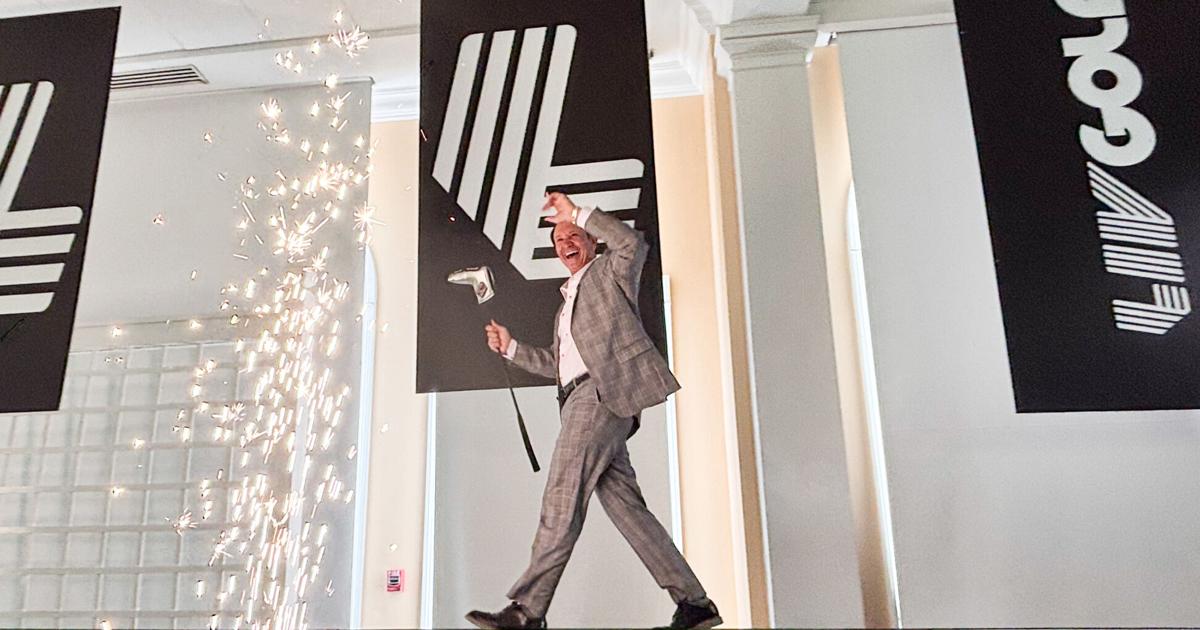
LIV Golf's late-June New Orleans tournament is off, with the league seeking to "pivot" to a smaller fall event and agreeing to repay the $1 million already received from the state. The broader $7.2 million incentive package included a $5 million hosting fee and $2.2 million for City Park upgrades; only the $1 million hosting-fee portion is subject to clawback, while most of the park funds have already been spent. The cancellation adds to concerns that Saudi funding for LIV is being reduced, but the immediate market impact is likely limited to local hospitality and event-related businesses.
This is a small headline with a bigger signal: a state-level sponsored event just exposed the fragility of an entire trophy-asset model that depends on sovereign support rather than commercial self-sufficiency. The immediate loser is every local beneficiary that priced in a late-June demand spike, but the second-order hit is to the credibility of “destination marketing” incentives across states competing for subsidized events. Expect other municipalities to demand tighter clawbacks, escrow structures, and milestone-based payouts before committing public money to sports properties with opaque economics.
For the golf ecosystem, the relevant issue is not one canceled stop but the probability that a broader reset in funding forces LIV to shrink inventory, reduce purses, or re-rank markets by commercial value rather than political ambition. That would disproportionately hurt fringe vendors that scaled specifically for tournament-week traffic — local hospitality, temporary staffing, event logistics, and premium brand activations — while improving bargaining power for alternative event operators that can credibly fill the calendar with lower fixed support. If the fall replacement event happens, it will likely be a much cheaper, lower-attendance format, which matters because it weakens the original thesis that these events could become reliable economic catalysts.
The time horizon that matters is the next 1-2 quarters: if Saudi funding is truly being wound down through season-end, the market will begin to price a restructuring or contraction, not just a one-off cancellation. That can create a valuation air pocket for adjacent private market sports/media assets that rely on similar subsidy assumptions, even if public comps look insulated. The contrarian view is that the selloff in LIV-linked expectations may be too linear; a smaller, more commercial version of the tour could survive if star inventory is cut and operating losses are slashed faster than revenue declines, but that implies a materially different business than the one investors have been underwriting.
AI-powered research, real-time alerts, and portfolio analytics for institutional investors.
Request DemoOverall Sentiment
moderately negative
Sentiment Score
-0.35
