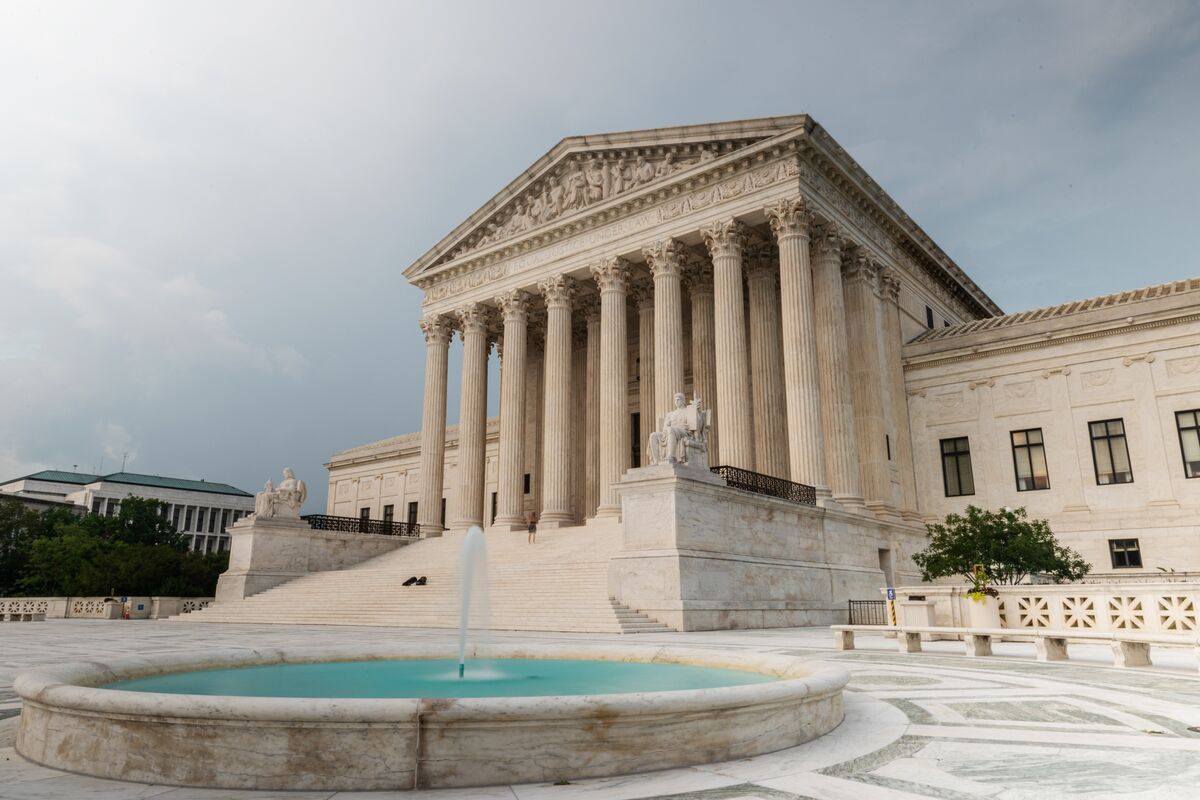
The Supreme Court has temporarily blocked a lower court order compelling Elon Musk's Department of Government Efficiency (DOGE) to release documents and make an official available for testimony regarding compliance with public records laws. Chief Justice John Roberts granted an administrative stay, providing a preliminary win for the Trump administration while the court considers a longer-term pause on the disclosure requirements related to the office created shortly after Trump's inauguration.
The U.S. Supreme Court has granted an administrative stay, temporarily halting a lower court's directive that would have compelled the entity identified in the article as 'Elon Musk’s Department of Government Efficiency' (DOGE) to release documents and provide official testimony. This order, issued by Chief Justice John Roberts without explanation, serves as an interim victory for the Trump administration, under which DOGE was reportedly established hours after the January 20 inauguration. The stay effectively pauses fast-approaching deadlines for disclosures regarding DOGE's personnel and activities, pending a Supreme Court decision on a potentially longer-term suspension of these requirements. The core issue revolves around whether this office is subject to U.S. public records laws, highlighting an ongoing legal battle over government transparency and access to information concerning entities created during the previous administration.
AI-powered research, real-time alerts, and portfolio analytics for institutional investors.
Request DemoOverall Sentiment
neutral
Sentiment Score
0.00
