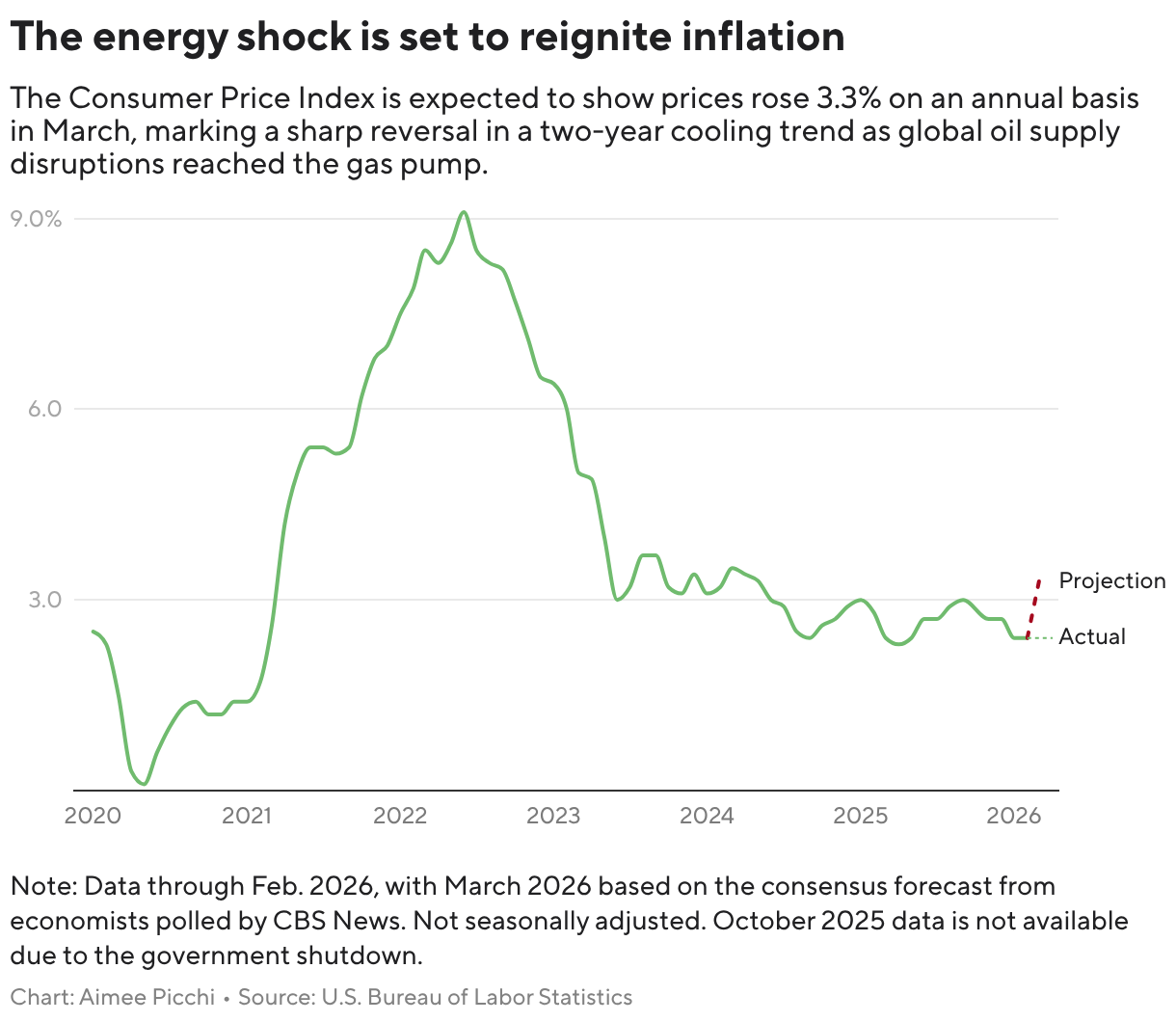
The Fed held the federal funds rate steady at 3.5% to 3.75%, but nearly half of FOMC members now support a rate hike later this year and the easing bias was removed from the statement. The SEP also raised the inflation outlook sharply, with PCE inflation seen at 3.6% by year-end 2026 versus 2.7% in March. Markets reacted negatively, with the S&P 500 down 0.9%, the Dow off 0.7%, and the Nasdaq down 1% as investors priced in a more hawkish Fed.
This is less about one unchanged policy rate and more about a regime shift in the Fed’s reaction function: the bar for easing has moved meaningfully higher while the tolerance for above-target inflation has narrowed. That matters because term premia can reprice even without an actual hike; front-end yields are likely to stay sticky, and the biggest second-order loser is duration-sensitive equity leadership rather than broad cyclicals. If the market had been pricing a “higher for longer but done” path, the new communication style raises the odds of another volatility impulse in rates within the next 1-3 meetings.
The immediate winner is the dollar and any business model that benefits from a flatter/less dovish curve: banks with strong deposit franchises, cash-heavy value, and short-duration credit. The loser set is more crowded than just long-duration tech; housing-linked equities, levered small caps, and private-market assets that rely on refinancing assumptions are exposed if real yields back up another 25-50 bps. A subtle second-order effect is that tighter policy while inflation is still elevated can pressure operating leverage in consumer discretionary and transport names through both financing costs and wage stickiness.
The contrarian read is that the market may be overestimating how quickly the Fed can actually hike into a slowing real economy. If inflation is still being driven by concentrated supply shocks, the policy message can stay hawkish even while the data path remains uneven, which creates a window where front-end yields overshoot and then mean-revert on growth scares. That argues for treating any further selloff in duration as tactical unless wage and shelter components re-accelerate for another two quarters.
AI-powered research, real-time alerts, and portfolio analytics for institutional investors.
Overall Sentiment
mildly negative
Sentiment Score
-0.15
