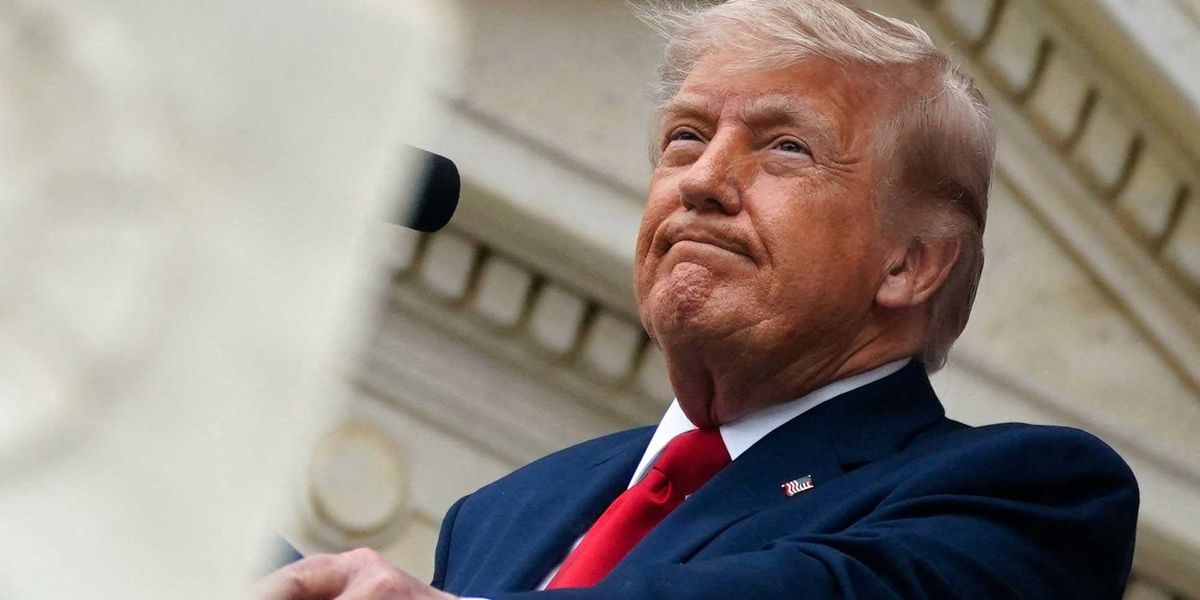
Trump’s DOJ is encountering repeated setbacks, including failed grand jury attempts and at least three judicial admonishments since last November. A federal judge in Chicago dismissed charges against four Democratic activists, citing serious prosecutorial flaws, while legal experts say inexperienced loyalists in senior roles are undermining DOJ credibility. The article highlights a broader pattern of no true bills in federal courts across major cities, pointing to weakening prosecutorial effectiveness.
The market implication here is not the legal storyline itself but the erosion of institutional execution quality inside DOJ. Once prosecutors lose the presumption of competence with judges and grand juries, case throughput slows, conviction odds fall, and the administration’s ability to convert political intent into durable legal outcomes becomes less reliable. That matters most for the next 3-6 months, when headline risk will stay high but actual case milestones may disappoint, creating a gap between rhetoric and deliverables.
For NYT, this is modestly supportive on engagement rather than revenue: legal-political chaos tends to lift session time and return visits, but the effect is likely second-order given the article’s narrow readership and the absence of a direct monetization catalyst. The larger beneficiary is the broader ecosystem of legal/media products and platforms that monetize political volatility, while the losers are institutions that depend on DOJ credibility as a deterrent. In other words, the weakening of enforcement legitimacy can become self-reinforcing: fewer clean wins, more judicial scrutiny, and a higher probability that future cases are dismissed on process rather than merits.
The contrarian angle is that consensus may be overestimating the policy durability of these actions. If the administration responds by substituting optics for substance, the most punitive headlines may arrive without corresponding legal outcomes, which caps the tail risk for targets and reduces follow-through volatility. The real catalyst to watch is whether courts begin imposing sanctions or suppression findings; that would extend the timeline from days to quarters and increase the odds of a broader credibility break, but absent that, the market may quickly discount the noise.
AI-powered research, real-time alerts, and portfolio analytics for institutional investors.
Request DemoOverall Sentiment
mildly negative
Sentiment Score
-0.35
Ticker Sentiment
