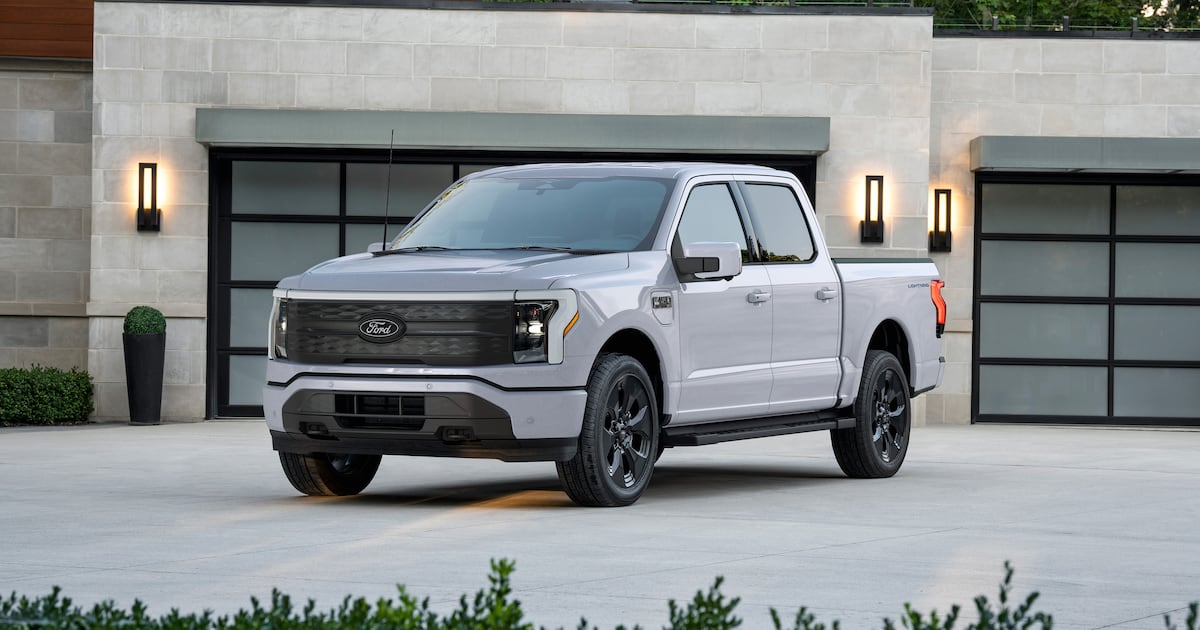
Automakers retired a broad slate of models for 2026 as the industry accelerates electrification and responds to shifting consumer demand, record-high transaction prices (average new-car price topped $50,000 in December) and tariff pressures. Notable discontinuations include the Nissan Versa (ending sub-$20,000 new-car options), Ford Escape and Lincoln Corsair, Ford F-150 Lightning, Stellantis' entire PHEV lineup, VW ID.Buzz and multiple luxury/sedan models, reflecting plant retooling for EVs and a strategic pullback from lower-margin vehicles that will reshape product mix and capital allocation across OEMs.
Market structure: The mass-market entry point has been structurally removed — winners are OEMs and dealers with premium/SUV mixes (higher ASPs → margin expansion) and used-car platforms; losers are low-margin compact/early electric models and brands exposed to high import tariffs (e.g., Stellantis' Hornet). Expect pricing power to shift to midsize/luxury SUVs over 6–24 months, tightening used-car supply and keeping wholesale used prices firm (+5–10% tail risk into H1 2026).
Risk assessment: Tail risks include tariff reversals, aggressive EV incentives that re-accelerate volume at the low end, or major recall-driven balance-sheet hits (Stellantis/GMC scenarios) within 3–12 months. Immediate (days–weeks) risks center on guidance misses and plant retooling delays; medium term (3–9 months) is execution/capex stress; long term (≥12 months) is brand mix and financing credit-cycle weakness from longer loan tenors.
Trade implications: Favor short-duration bearish exposure to operational losers and long exposure to aftermarket/used-car beneficiaries. Practically: bias short F and STLA via put spreads into the next 3–6 months, pair long GM vs short F for 6–12 months, and increase hedges on auto ABS / subprime auto exposure (2-year protection or reduce unsecured bank exposure by 20–30%).
Contrarian angles: The market may underprice upside in dealer groups and specialty suppliers that capture higher ASPs and used-car flow (AutoNation, Carvana secondary effects) over 6–12 months; conversely, Ford’s share-price fall could be overdone if retooling produces a profitable midsize EV truck by late-2026 — consider tactical re-entry if F drops another 15–20% or reports positive CAPEX read-throughs.
AI-powered research, real-time alerts, and portfolio analytics for institutional investors.
Request DemoOverall Sentiment
moderately negative
Sentiment Score
-0.35
Ticker Sentiment
