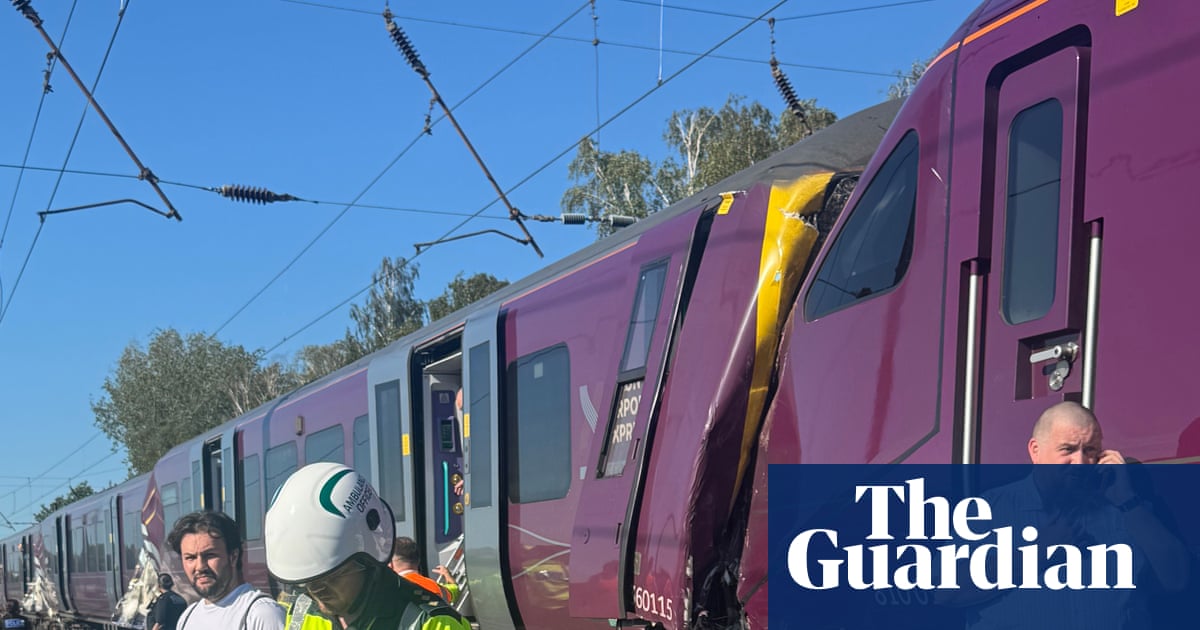
A fatal collision between two passenger trains near Bedford has left 1 person dead and 89 injured, including 11 with very serious injuries and 22 seriously injured. East Midlands Railway services to and from London St Pancras were suspended for the rest of the night while police and Rail Accident Investigation Branch inspectors opened a major incident investigation. The crash is a significant shock for the UK rail sector and could raise scrutiny of rail safety and operations.
The immediate market read is not about rail operators’ near-term earnings hit; it is about credibility of the broader UK rail safety stack. A high-severity passenger collision on a modern mainline raises the probability of a multi-month regulatory response: network-wide inspections, timetable padding, temporary speed restrictions, and deferred capacity expansion. That combination tends to compress utilization and raise unit costs across the rail ecosystem before any compensation or liability numbers even surface.
Second-order winners are alternative mobility and logistics substitutes that can absorb disrupted passenger flows, especially intercity coach operators, ride-hailing, and potentially domestic short-haul rail substitutes if schedules remain unstable. Losers are the rail supply chain and service contractors tied to punctuality-linked throughput; even if asset damage is limited, the operational drag from incident reviews, crew retraining, and signaling/systems audits can bleed into months. The fact pattern also increases scrutiny on automation, in-cab signaling, and maintenance regimes, which is incrementally supportive for safety-tech vendors but negative for operators with older signaling footprints.
The key catalyst window is days to weeks for sentiment, but months for legal and regulatory overhang. If investigators identify a procedural or signaling failure, the market could quickly reprice not just the operator but the entire UK passenger rail cohort on elevated compliance capex and lower capacity assumptions. Conversely, if the cause is narrowed to a highly idiosyncratic operational error with no systems deficiency, the trade unwinds fast and the sector-specific drawdown should be seen as a buying opportunity.
Consensus is likely underestimating how much a single, high-profile event can slow approval cycles for rail modernization and public-private projects. The bigger issue is not one lost night of service; it is a higher hurdle rate for every pending infrastructure decision involving new rolling stock, signaling upgrades, and operating concessions. That makes the medium-term risk asymmetrically negative for operators, while safety and control-system vendors may see delayed but more durable demand.
AI-powered research, real-time alerts, and portfolio analytics for institutional investors.
Request DemoOverall Sentiment
extremely negative
Sentiment Score
-0.93
