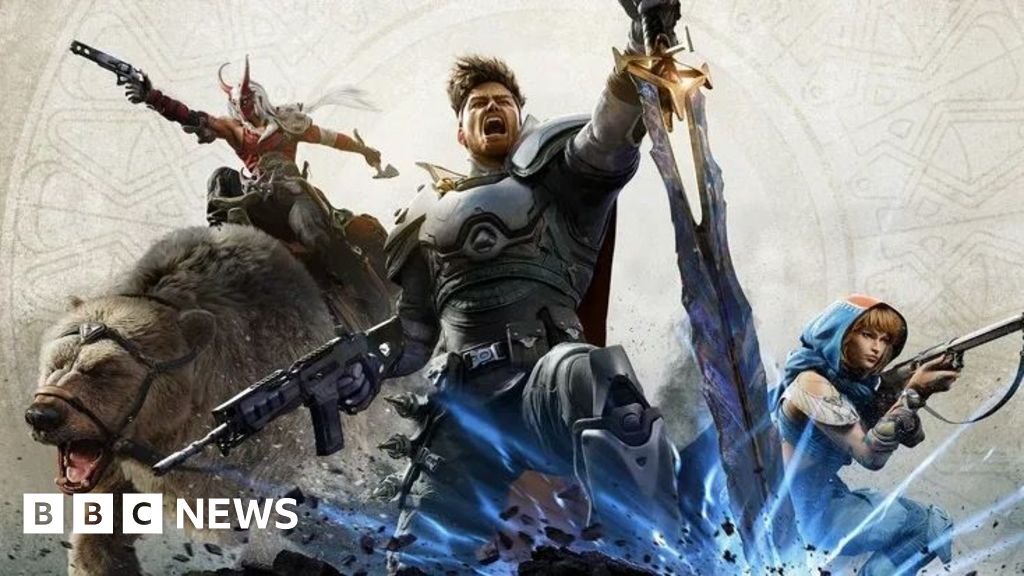
Wildlight Entertainment will permanently shut down its free-to-play hero shooter Highguard on 12 March after launching on 26 January, citing an inability to build a sustainable player base; the studio also laid off multiple staff two weeks after release. According to SteamDB, the title drew just under 100,000 PC players and roughly 380,000 Twitch viewers at launch but fell to around 3,600 concurrent PC users by the February layoffs and peaked at 460 users on the day the shutdown was announced, signaling severe retention issues and substantial revenue risk for the developer.
Market structure: Highguard’s collapse (peak ~100k players → ~3.6k concurrent within weeks) is a reminder that customer-acquisition cost (CAC) + retention failure quickly bankrupts small studios. Winners are large, diversified publishers/platforms (MSFT, SONY, EA, TTWO) with deep IP, live-ops and Game Pass/Store distribution; losers are small/mid-cap pure-play F2P studios and recent IPOs that rely on a single live title. Pricing power shifts to incumbents who can concentrate marketing spend on fewer launches and raise ARPU via bundled subscriptions.
Risk assessment: Immediate (days–weeks) is a sentiment shock to small-cap gaming equities and vendor partners; short-term (1–3 months) sees higher idiosyncratic volatility around release windows and potential writedowns; long-term (quarters–years) the market should see consolidation and higher M&A for distressed studios. Tail risks include regulatory scrutiny of monetization (loot boxes), large impairment charges at public studios, or contagion if multiple launches fail in a quarter. Hidden dependency: streamer viewership (Twitch) can create misleading hype vs real retention; layoffs reduce acquisition/retention capability and make studios takeover targets.
Trade implications: Favor quality large-cap platform/publisher exposure and hedge small-cap gaming risk. Tactical ideas include modest long exposure to MSFT/SONY/EA/TTWO (benefit from scale and Game Pass) and targeted short or put protection on cash-constrained public devs (e.g., Embracer B on STO) ahead of earnings. Volatility will spike around major showcases (GDC, Summer Game Fest) — use 1–6 month option spreads to express views and cap Greeks.
Contrarian angles: Market consensus may over-penalize the broader sector for one high-profile failure; historically (e.g., Battleborn vs Overwatch) failure of one title buoyed winners and created M&A buying opportunities for studios with proven live-ops. If a public mid-cap’s stock drops >30% and it retains >12 months cash runway, that could be a disciplined buyout-arb entry for 6–18 month upside. Unintended consequence: increased consolidation will raise talent costs and M&A multiples, compressing near-term margin improvement for acquirers.
AI-powered research, real-time alerts, and portfolio analytics for institutional investors.
Request TrialOverall Sentiment
strongly negative
Sentiment Score
-0.65
