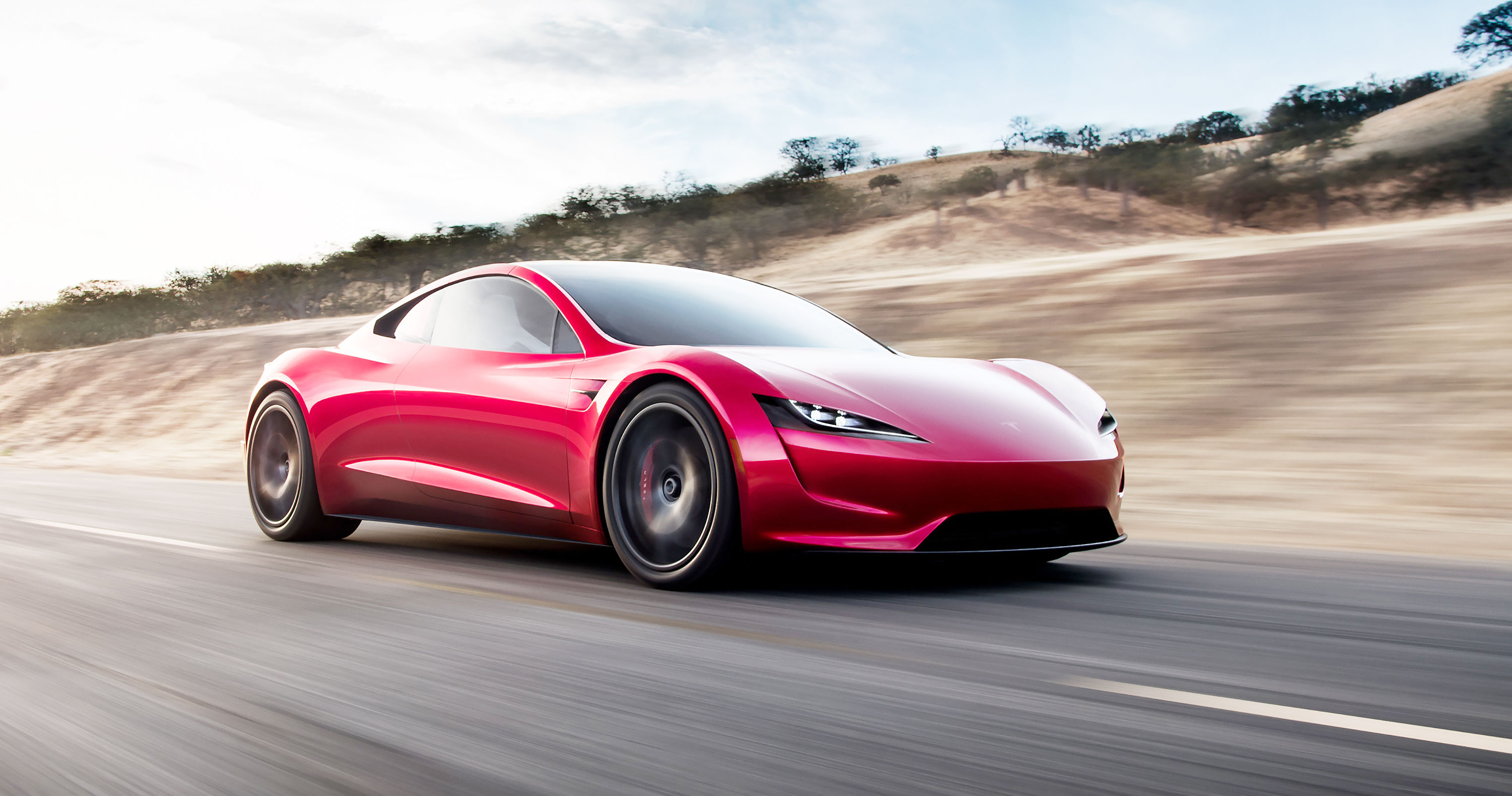
Elon Musk said Tesla's long-term lineup will consist of autonomous vehicles of different sizes, with the second-generation Roadster as the only manually driven model. The comment reinforces Tesla's strategic push toward autonomy and highlights the Roadster as an exception rather than the norm. The article is more strategic than financially material and is unlikely to move the stock materially on its own.
This is less about product news than about Tesla tightening the strategic frame around its future mix: if the company is effectively signaling that non-autonomous consumer cars are a one-off, then every future launch should be judged on software stack scalability, regulatory optionality, and fleet economics rather than unit appeal. That matters because it raises the bar for capital allocation: any platform that cannot be reused across multiple body styles or ride-hail use cases becomes a distraction, while software and compute suppliers gain relative leverage versus conventional auto parts vendors.
The second-order winner is likely the broader autonomy ecosystem, but the near-term market may still misread this as a pure hardware story. If investors buy the autonomy narrative, the multiple expansion is driven more by perceived option value than by near-dated deliveries; if they doubt it, the statement can backfire by making the next few quarters look like a shrinkage of addressable product breadth. That creates a setup where TSLA can be bid on strategic ambition while the underlying auto margin profile remains exposed to slower model refresh cadence.
Competitive pressure falls most on premium EV incumbents and legacy OEMs that are still monetizing performance halo cars and enthusiast niches. A sole manual Roadster exception implies Tesla sees manual-driving as a marketing artifact, not a growth category, which can pull attention away from discretionary sports-car buyers toward software-defined mobility; the loser is anyone relying on aspirational ICE/EV halo demand to defend brand pricing. Supply chain implications are subtle: high-performance components and low-volume specialty suppliers may see less incremental pull, while semiconductor and sensor content per vehicle becomes more important if Tesla really keeps pushing toward autonomy-first architectures.
The contrarian risk is that the market overestimates how quickly autonomy converts from narrative into cash flow. The statement could increase scrutiny on execution gaps: if autonomy milestones slip 6-12 months, the premium attached to Tesla’s software-forward identity can compress fast, and the Roadster becomes a distraction rather than an asset. In that case, the stock may be vulnerable to a sell-the-news reaction even if the long-term thesis remains intact.
AI-powered research, real-time alerts, and portfolio analytics for institutional investors.
Request TrialOverall Sentiment
neutral
Sentiment Score
0.05
Ticker Sentiment
