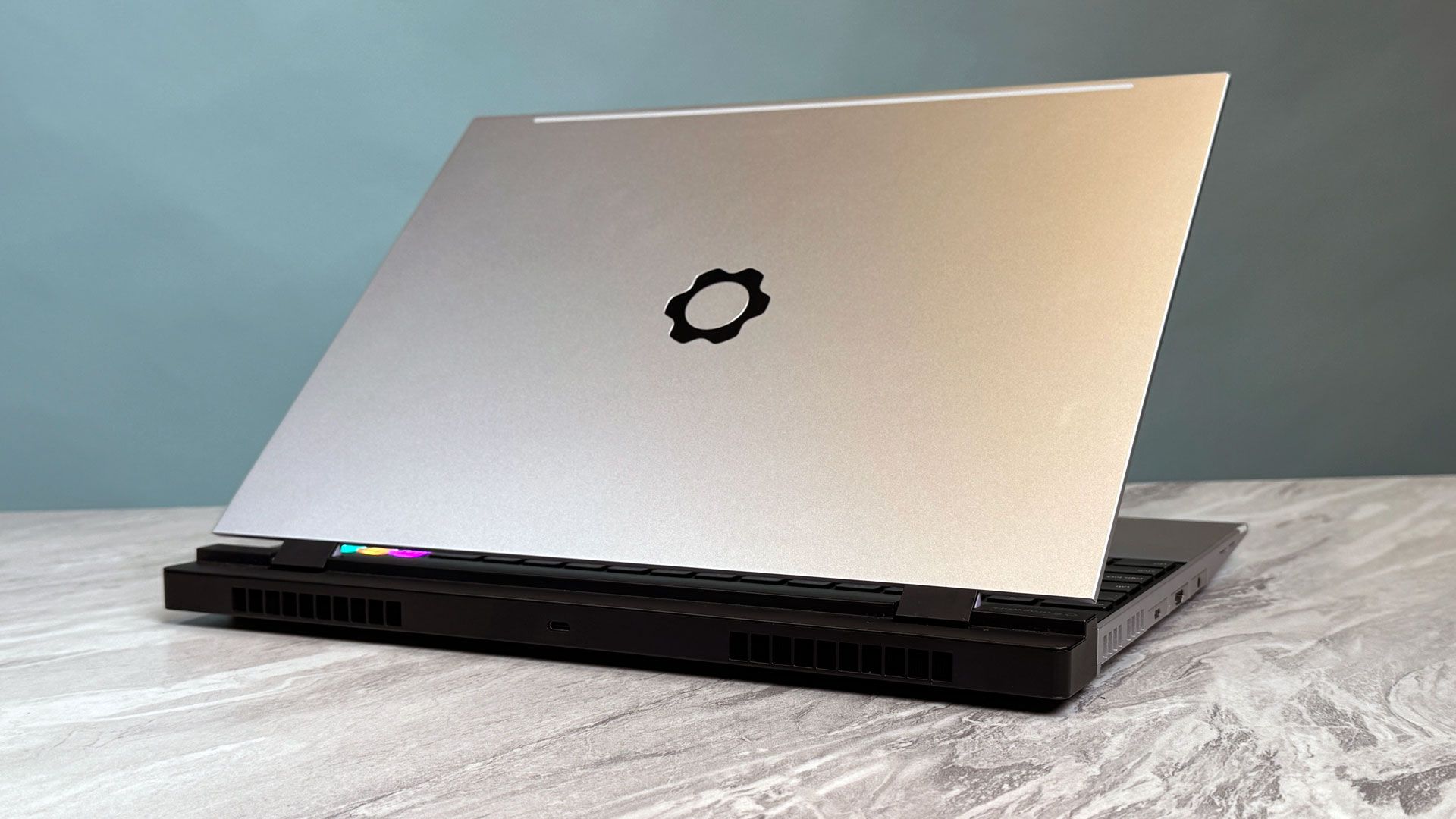
Framework has implemented another immediate RAM price increase a month after a prior 50% hike and warns of an additional adjustment within roughly a month and potential further changes by January, citing "extreme memory shortages and price volatility." It reports memory pricing near $10/GB for 32GB and smaller modules and ~$13/GB for 48GB, is absorbing supplier cost increases while encouraging customers to BYO memory (and linking to PCPartPicker), and flags likely storage price rises — a dynamic that implies sustained margin pressure for system makers and continued volatility in the PC memory supply chain.
Market structure: Memory price hikes (article cites ~$10/GB for 32GB, ~$13/GB for 48GB vs Apple’s ~$25/GB) tighten margins for OEMs and boost DRAM vendors and semicap suppliers. Winners: Micron (MU), SK Hynix/Samsung (non-US), ASML (ASML), AMAT (AMAT) via sustained ASP tailwind; losers: mid-cycle PC OEMs and value-tier retailers (AAPL flagged negative), plus aftermarket module resellers facing volatility. This reinforces vertical pricing power for memory manufacturers until new fab capacity arrives (2–4 years) and encourages BYO/upgradable models to gain share (Framework-style differentiation).
Risk assessment: Low-probability, high-impact tails include a rapid demand collapse (global PC spend down >10% YoY), geopolitical disruption to fabs (Taiwan/China) or accelerated capex adding >10% supply within 12–18 months that would crater ASPs. Near-term (days–months) expect elevated equity and options vol around vendor earnings; medium-term (6–18 months) tightness persists per supplier guidance into 2026; long-term (2–4 years) capacity expansion likely normalizes prices. Hidden dependencies: OEM multi-year contracts, HBM migration reducing commodity DRAM supply, and inventory destocking in retail channels could flip the cycle quickly.
Trade implications: Establish a tactical 2–3% long in MU (beneficiary of ASP upside) with a 6–12 month horizon and add if MU raises guidance or DRAM ASPs +>5% QoQ; pair this with a 0.5–1% short AAPL exposure (options) to hedge OEM margin risk—sell AAPL Feb 2025 covered calls or buy puts 5–10% OTM if AAPL guidance implies margin pressure. Use options: buy MU 9–12 month call spreads 20–30% OTM to leverage upside while capping premium; consider buying protective puts on MU after >25% run to lock gains. Rotate into semicap names (ASML/AMAT) on any broad pullback of 8–12%—these are multi-year structural beneficiaries.
Contrarian angles: Consensus underestimates the stickiness of DRAM tightness due to HBM conversion and long fab lead times—prices could stay >20% above pre-shock levels into 2026, favoring suppliers; conversely, markets may over-penalize high-quality OEMs like AAPL where pricing power can pass through costs. Historical parallel: 2016–2018 DRAM cycle saw rapid ASP swings with >50% swings in vendors; expect similar volatility and plan exits at clear supply signals (inventory days rising by +15–20% or fab utilization falling). An unintended consequence: high upgrade costs accelerate modular/BYOM adoption, structurally benefitting niche modular laptop makers and channel marketplaces.
AI-powered research, real-time alerts, and portfolio analytics for institutional investors.
Request DemoOverall Sentiment
moderately negative
Sentiment Score
-0.35
Ticker Sentiment
