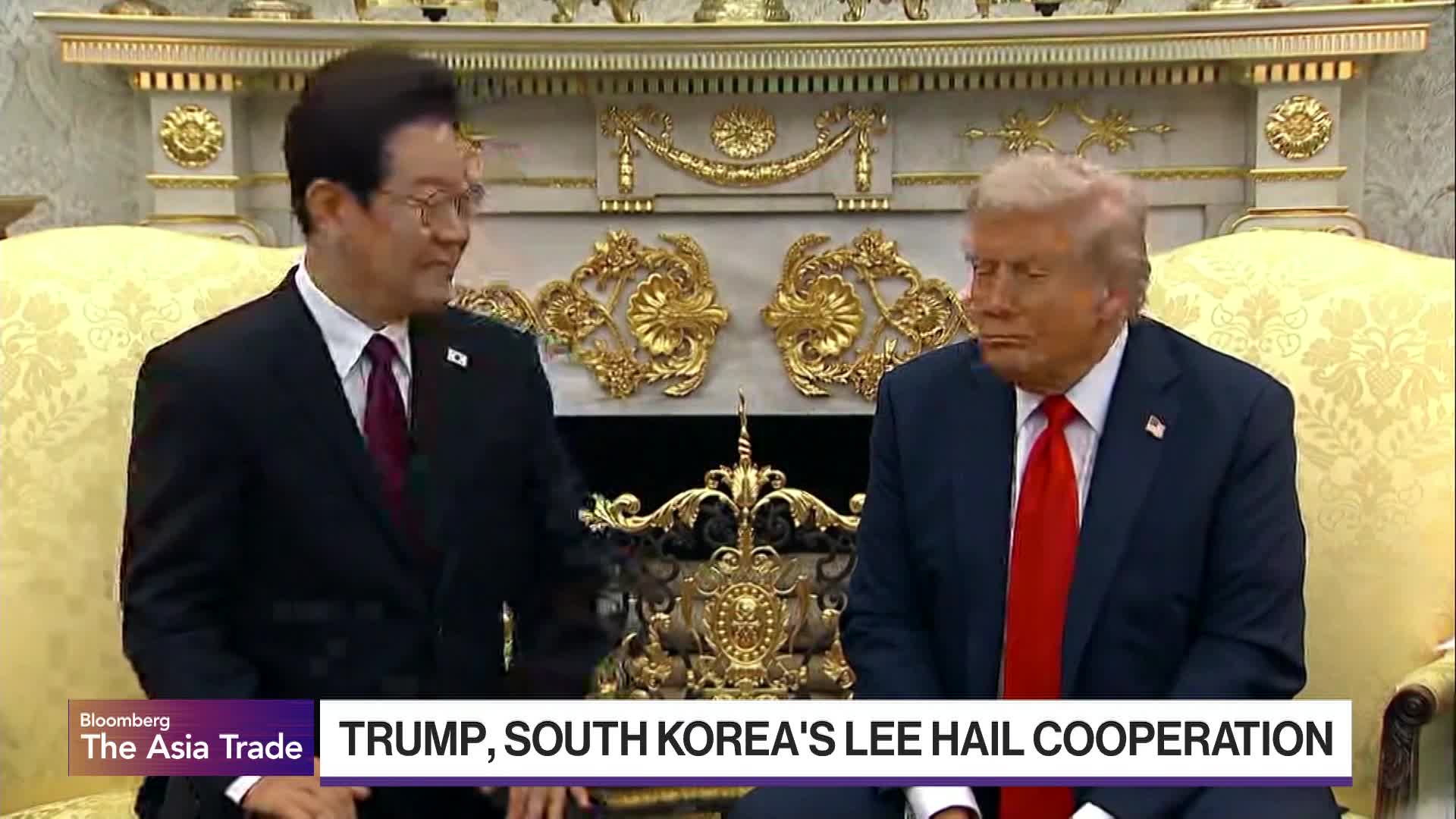
Following a meeting with South Korean President Lee Jae Myung, US President Trump affirmed that the 15% tariff on South Korean goods will remain unchanged. This decision signals a continued protectionist trade stance despite expressed optimism for cooperation on North Korea and shipbuilding, impacting bilateral economic relations even as geopolitical dialogue progresses.
The US administration has reaffirmed its policy of maintaining a 15% tariff on South Korean goods, a decision communicated by President Trump following a meeting with South Korean President Lee Jae Myung. This announcement signals a continuation of a protectionist trade stance, creating a persistent headwind for bilateral economic relations. The decision is notable as it contrasts with expressed optimism for cooperation in other strategic areas, including North Korean security and shipbuilding. This indicates a clear separation between geopolitical alignment and economic policy, suggesting that positive developments in one domain will not automatically lead to concessions in the other. The continuity of this tariff, reflected in the mildly negative sentiment score, reinforces the ongoing risk and cost pressures for companies reliant on the US-South Korea trade corridor, solidifying trade friction as a key factor in investment analysis for exposed sectors.
AI-powered research, real-time alerts, and portfolio analytics for institutional investors.
Request DemoOverall Sentiment
mildly negative
Sentiment Score
-0.35
