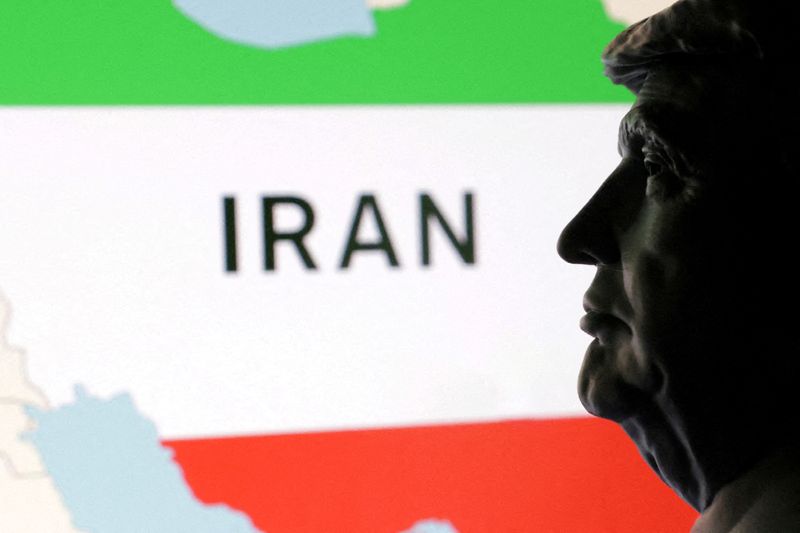
The U.S. carried out additional strikes on Iranian military sites and intercepted drones launched from Iran, escalating tensions after Trump said he was not satisfied with a peace deal. The attacks further tested the fragile ceasefire and left a reopening of the Strait of Hormuz still unresolved. Oil prices rose more than 1% on the latest strikes, though crude remains under pressure this week from hopes of a U.S.-Iran deal.
The market is still treating this as a binary oil headline, but the more important signal is that the conflict is shifting from price shock to infrastructure risk. Even if a formal de-escalation eventually emerges, repeated limited strikes keep the Strait of Hormuz in a “latent disruption” regime where freight, insurance, and rerouting costs stay elevated longer than spot crude implies. That tends to favor assets with contractual pass-through or optionality on volatility, not just outright energy beta. The second-order loser set is broader than crude consumers: refiners, chemical producers, airlines, and container/shipping names all face margin compression from a delayed but persistent input-cost squeeze. If shipping lanes remain intermittently threatened, tanker rates can strengthen even if total throughput falls, creating a divergence between energy commodity direction and marine logistics pricing. The market is likely underappreciating that this can be bullish for defense, cyber, and naval systems procurement even if the near-term ceasefire narrative returns. For the named AI growth tickers, the relevance is indirect but non-zero: higher oil and geopolitical risk typically widen equity risk premia and pressure duration-sensitive multiples, which can cap momentum in high-beta semiconductor and software names. That effect usually shows up with a 1-3 week lag via factor de-risking rather than immediate fundamental impairment. If crude volatility persists, index-level rotation out of high-multiple AI beneficiaries could create better entry points later, especially if macro funds reduce gross exposure. The contrarian read is that the market may be too focused on the next headline and not enough on the regime change in transport economics. A messy, partial reopening of Hormuz could actually be more bearish for “normalization” trades than a clean closure because it preserves uncertainty without triggering decisive supply substitution. In that environment, the best risk/reward is to own volatility and defense while fading the idea that energy and logistics dislocations will resolve in days.
AI-powered research, real-time alerts, and portfolio analytics for institutional investors.
Request DemoOverall Sentiment
strongly negative
Sentiment Score
-0.65
Ticker Sentiment
