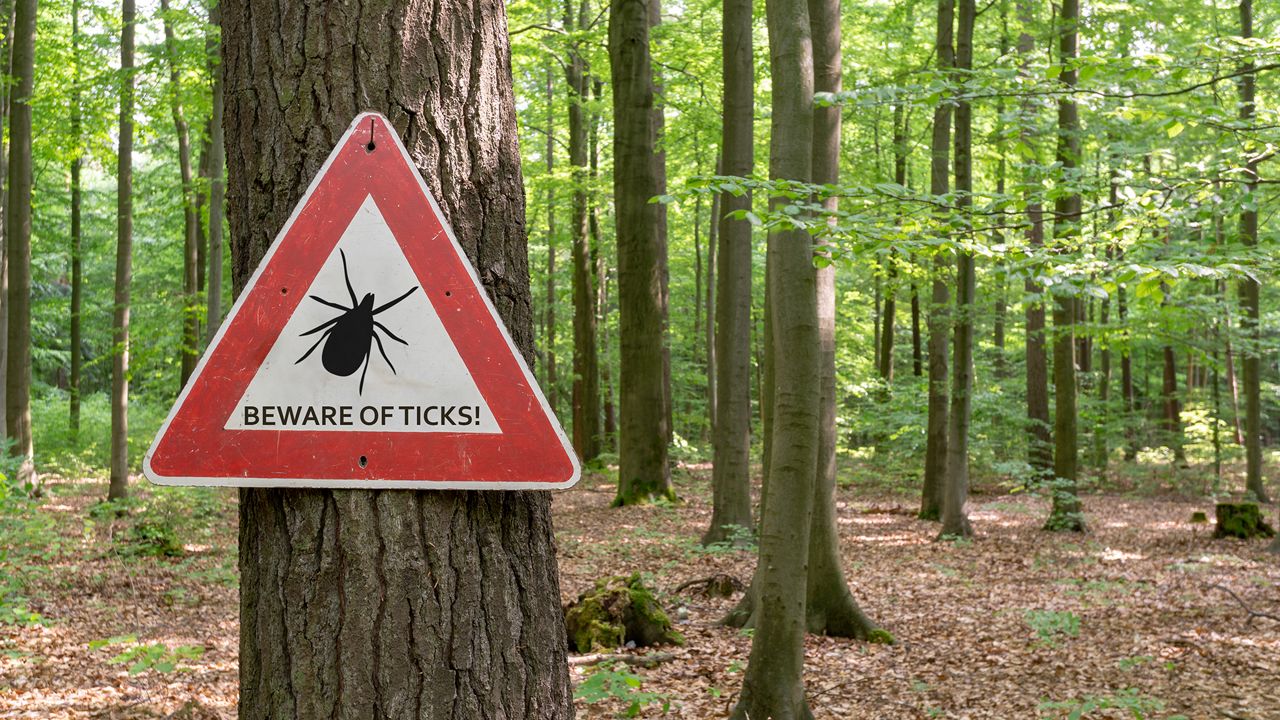
Ohio Lyme disease cases surged to more than 2,800 in 2025 from 415 in 2020 and 40 in 2010, reflecting a sharp rise in tick-borne illness risk. Officials cited warmer temperatures, higher humidity and milder winters as contributing factors, and urged residents to use repellents, protective clothing and tick checks. The article is public-health focused and unlikely to have meaningful market impact.
This is not an immediate market event, but it is a slow-burn health signal that tends to create second-order winners in prevention, diagnostics, and vector-control workflows. The key issue is that once a disease vector crosses a visibility threshold, public institutions, employers, schools, parks, and pet owners start spending defensively before the disease burden peaks, which usually benefits products with recurring use and low adoption friction. The biggest near-term commercial lever is not treatment; it is behavior change products that can scale through spring/summer seasonality.
The most underappreciated effect is on regional outdoor utilization. A sustained tick scare can depress discretionary outdoor activity in affected geographies, which is a mild headwind for local recreation, camping, travel, and garden-related retail, but the bigger equity implication is increased demand for repellents, permethrin-treated apparel, pest-control services, and faster-consumer diagnostics. If awareness keeps rising over the next 1-2 quarters, the demand curve should be front-loaded into pre-summer inventory builds, marketing spend, and municipal procurement rather than evenly distributed across the year.
From a risk standpoint, the trend can reverse if winter severity normalizes or if state/public health messaging fades, but vector expansion is usually multi-season rather than transient. The contrarian view is that the headline case growth may overstate investable urgency if most households respond with one-off behavioral adjustments instead of durable product switching. That argues for favoring companies with repeat purchase economics and institutional channels over pure consumer-awareness plays.
The cleaner trade is to express this as a summer-prep basket rather than a single-name event trade: long prevention/biocide demand, short adjacent outdoor discretionary exposure if regional sentiment deteriorates. Near term, the setup is best into late spring inventory orders; by midsummer, much of the incremental upside may already be captured unless there is another weather-driven acceleration.
AI-powered research, real-time alerts, and portfolio analytics for institutional investors.
Request DemoOverall Sentiment
mildly negative
Sentiment Score
-0.25
