
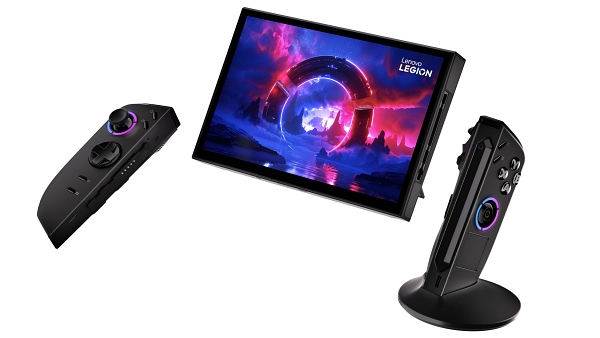
Lenovo’s Legion Go 2 2TB model has reportedly risen to $2,850 from $1,480, while the 1TB model has climbed to as much as $2,000 from $1,350. The article attributes the jump to ongoing memory supply-demand instability, highlighting broader PC hardware cost pressure. The pricing move weakens the handheld gaming category’s value proposition and could hurt consumer demand if elevated component costs persist.
The pricing shock is less about handheld gaming and more about how quickly memory inflation can leak from components into finished goods when OEMs have limited pricing discipline. That matters because it suggests the PC hardware cycle is moving from a bottom-up inventory normalizing phase into a top-down margin protection phase, where vendors pass through cost rather than absorb it. In that regime, units can fall faster than ASPs rise, which is usually the worst mix for demand-sensitive consumer electronics.
For Nvidia, the direct read-through is muted today because this is not a GPU-specific demand event, but it is a useful confirmation that the memory complex is still tight enough to affect adjacent categories. If memory remains sticky for 1-2 quarters, consumer GPUs, laptops, and gaming peripherals can all see delayed upgrade cycles, which becomes a second-order headwind to channel sell-through. The bigger medium-term beneficiary may be memory suppliers and foundry-adjacent names rather than GPU designers, especially if OEMs start locking longer supply agreements.
The contrarian angle is that extreme sticker shock often marks the point where retail demand elasticity snaps sharply negative, forcing discounting or spec changes within a few months. If this is a one-off repricing rather than a broad reset, the current move is likely overdone for handhelds specifically; consumers will simply trade down or defer purchases, capping the long-term revenue impact. But if this price point sticks, it could compress the high-end handheld market into a niche product and shift share back toward lower-BOM devices and cloud/streaming alternatives.
For NVDA, this is more of a sentiment check than a fundamental catalyst: near-term, higher BOM costs can suppress GPU adjacency demand and extend replacement cycles; over 6-12 months, tighter memory conditions can support a better pricing backdrop across the broader PC stack. The key variable is whether the memory inflation is transitory, driven by procurement noise, or structural, driven by AI-related capacity allocation. That distinction should determine whether this is a brief consumer-demand wobble or the start of a broader margin squeeze across hardware OEMs.
AI-powered research, real-time alerts, and portfolio analytics for institutional investors.
Request TrialOverall Sentiment
moderately negative
Sentiment Score
-0.35
Ticker Sentiment
