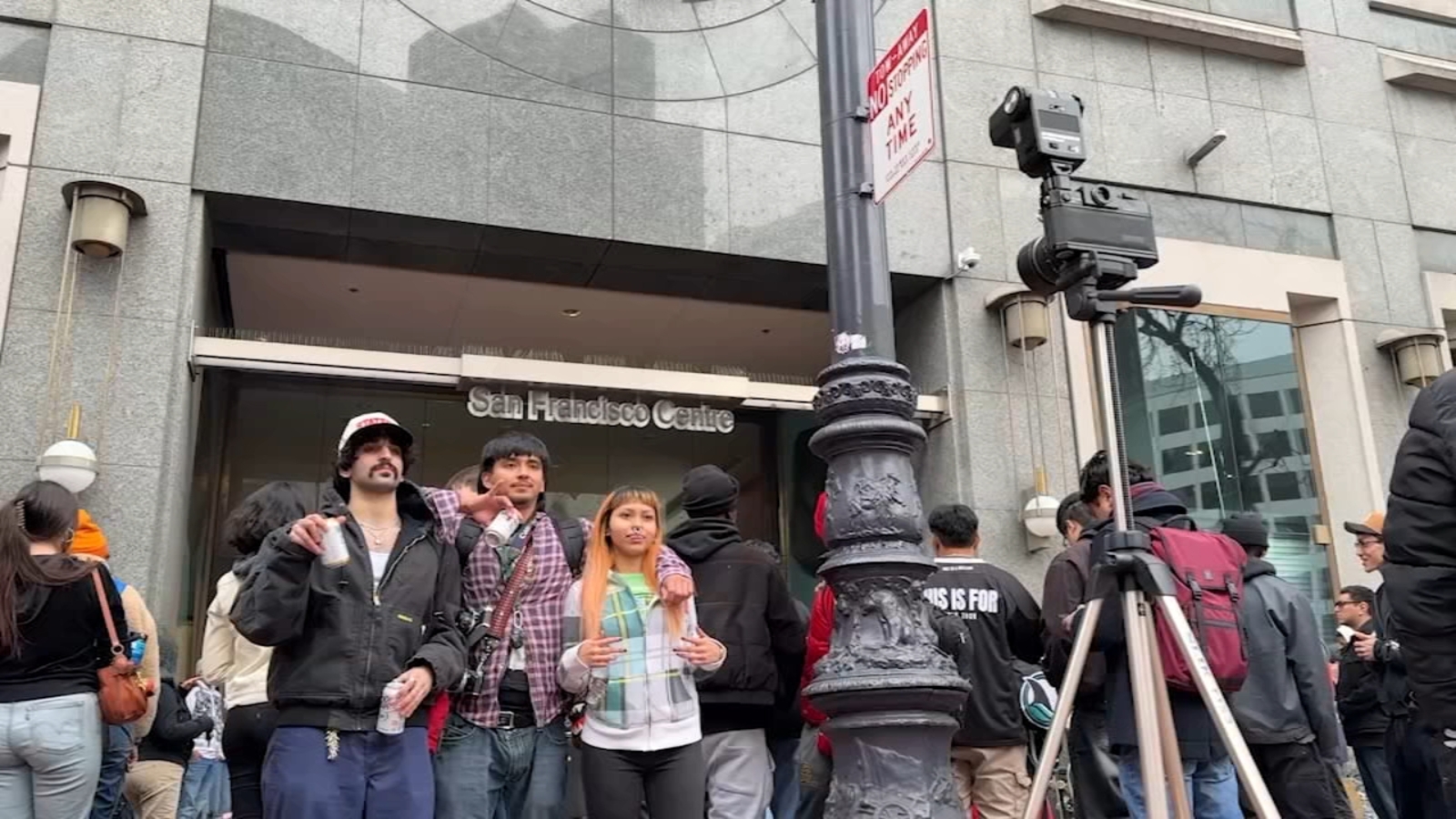
San Francisco Centre, a nearly 40-year-old downtown shopping mall, has permanently closed after an impromptu community send-off; the property's new owners have not announced redevelopment plans or transaction terms. The closure reduces downtown retail inventory and represents a potential redevelopment or repositioning opportunity for commercial real estate investors, but no financial details or timelines were provided. Local reaction was nostalgic, signaling community value rather than near-term market-moving information.
Market structure: The permanent closure of San Francisco Centre accelerates a local reallocation of real estate value from enclosed retail to higher-value uses (residential, office conversion, experiential retail). Winners are logistics/last-mile (benefit from continued e‑commerce), high-quality mall owners who can consolidate premium tenants, and developers with entitlements; losers are mid‑tier regional mall owners and nearby small retail landlords facing vacancy and rent downgrades. Expect a 6–18 month window where asking rents for adjacent street retail could fall 10–25% before reuse plans stabilize.
Risk assessment: Tail risks include prolonged permitting fights or zoning changes that freeze redevelopment (12–36 month delay) and a city policy forcing affordable housing that compresses developer returns by 500–1,000 bps. In the immediate term (days–weeks) market moves will be muted; short-term (weeks–months) uncertainty around the new owner’s plans will drive local commercial REIT volatility; long-term (quarters–years) conversion outcomes will materially affect SF housing and retail supply/demand balance. Hidden dependencies: financing conditions (credit spreads +100 bps) could stop conversions even with clear entitlements.
Trade implications: Favor long exposure to logistics/last‑mile REITs (PLD) and selective high-quality mall operators (SPG) while hedging or shorting mid‑tier mall REITs (MAC, CBL) via puts or pair trades. Use 3–12 month option structures (bear put spreads on mall REITs, covered calls on logistics longs) to express view with defined risk. Rebalance if local building permits filed or announced within 30–90 days—these are binary catalysts.
Contrarian angles: Consensus sees only retail decay; missing is that prime urban mall sites often produce outsized returns when rezoned to high‑density residential or mixed use — a successful conversion could boost local multifamily rents and asset values by >15% over 2 years. The reaction may be underdone in logistics and overdone in mid‑tier mall pricing; active managers should size asymmetrically (small shorts, larger longs) and avoid headline-driven, permanent short positions until entitlement outcomes are known.
AI-powered research, real-time alerts, and portfolio analytics for institutional investors.
Request DemoOverall Sentiment
neutral
Sentiment Score
0.00
