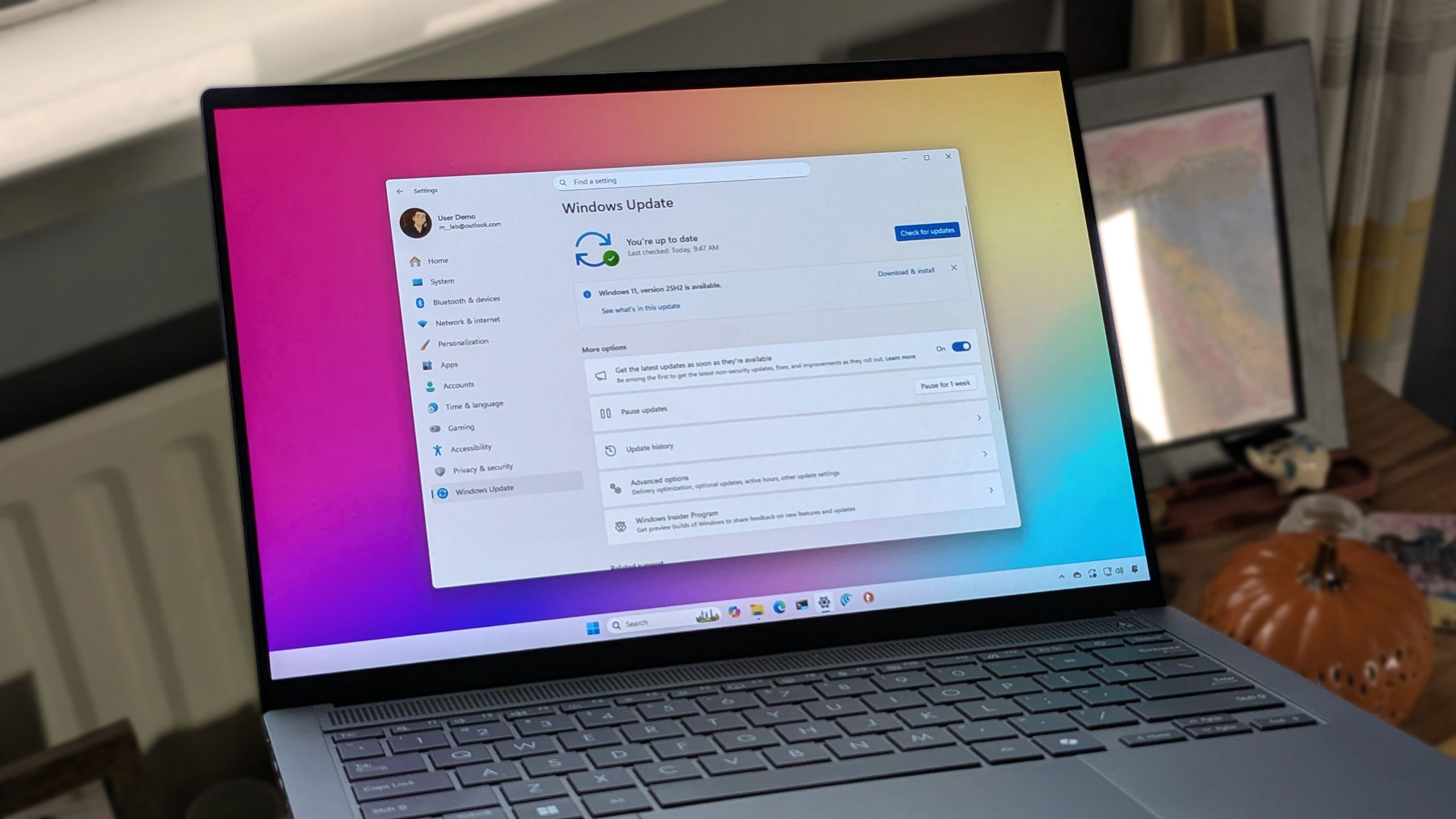
Microsoft confirmed several Windows 11 update improvements, including the ability to skip updates during setup, extend pause periods, and choose shutdown or restart without forced updating. The company is also coordinating driver, .NET, and firmware updates to reduce the number of reboots each month, with changes already in testing for Windows Insiders. The update is user-friendly and operationally positive, but the market impact should be limited.
This is modestly bullish for MSFT because it chips away at a persistent enterprise friction point: IT-admin hostility to Windows not because of feature quality, but because of operational unpredictability. Reducing forced reboots and giving users/admins more control should incrementally improve endpoint satisfaction, which matters at the margin for renewal stickiness in large-seat deployments and for keeping Windows relevant versus managed Chromebooks, macOS, and VDI alternatives.
The second-order effect is more important than the consumer convenience angle. If Microsoft meaningfully reduces update-related downtime, it lowers one of the hidden costs of a Windows seat for IT departments, which can slow migration discussions in regulated or latency-sensitive industries. Coordinating driver, firmware, and .NET updates also nudges Microsoft further toward a more vertically managed stack, which benefits its own ecosystem while pressuring third-party device/software vendors whose patch cadence may become more exposed to Windows’ scheduling logic.
The market likely underweights how slowly these improvements translate into financials. This is not a near-term monetization catalyst; it is a multi-quarter to multi-year retention and NPS tailwind, so the initial equity response should be muted unless paired with evidence of better enterprise renewal metrics or lower support costs. The main risk is execution: if the new controls create more fragmentation, delayed patching, or security incidents, the narrative flips quickly and the “user choice” story becomes a governance and cybersecurity issue.
Contrarianly, this may be less about appeasing end users and more about insulating Microsoft from longer-run platform erosion as AI PCs, mobile-first workflows, and cloud-managed endpoints change buying criteria. The market tends to view Windows as mature and stable, but even small reductions in admin pain can matter when CIOs are re-evaluating endpoint mix over a 12-24 month cycle. That makes this a subtle positive for MSFT, but also a reminder that Windows’ moat is now being defended on experience quality, not just installed base.
AI-powered research, real-time alerts, and portfolio analytics for institutional investors.
Request TrialOverall Sentiment
mildly positive
Sentiment Score
0.35
Ticker Sentiment
