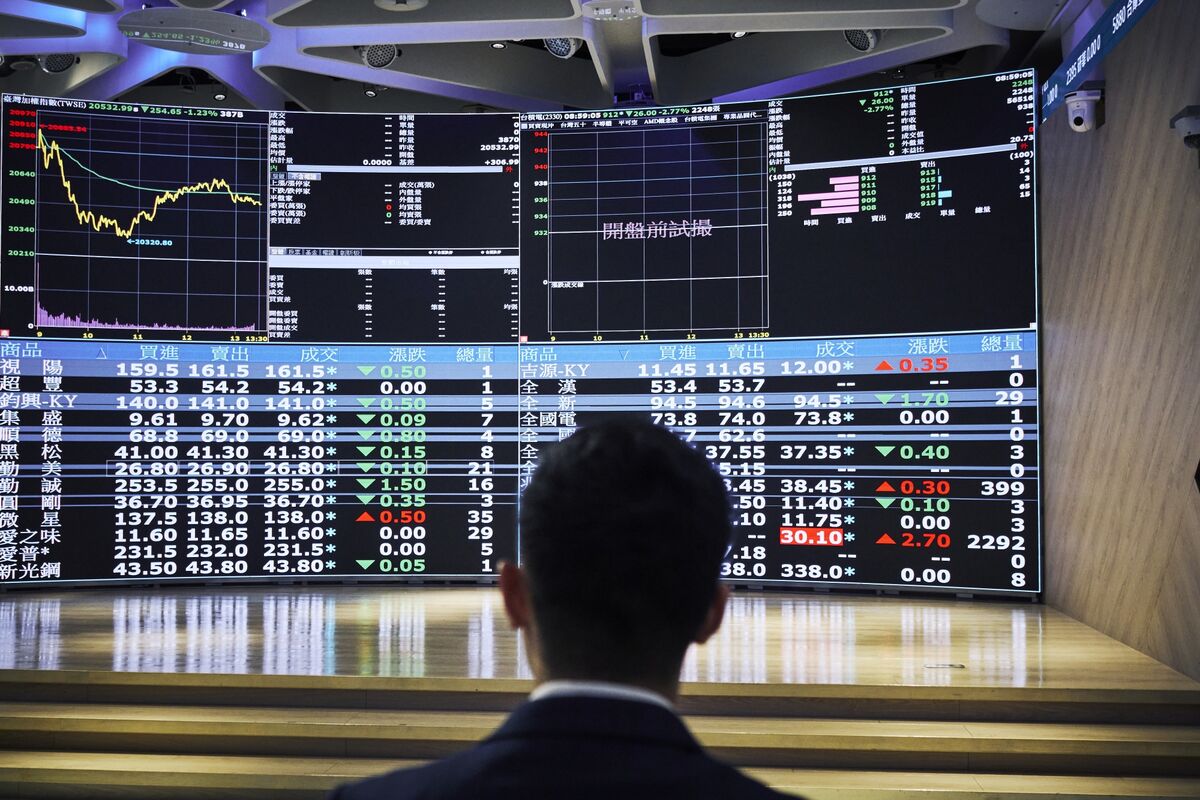
Taiwan's Q2 balance of payments data reveals a significant divergence in capital flows, increasing the prospect of higher volatility for the local dollar. While global funds acquired a record amount of Taiwanese assets, domestic residents simultaneously divested the largest volume of foreign securities since 2008, even as corporate investments abroad also surged. This unprecedented whipsawing of cross-border capital movements poses a direct challenge to the stability of the Taiwanese dollar.
Taiwan's second-quarter balance of payments data reveals a significant and conflicting dynamic in cross-border capital flows, creating a material risk of heightened volatility for the Taiwanese dollar. The central bank's report highlights a stark divergence: while global funds increased their holdings of Taiwanese assets to a record high, domestic residents liquidated foreign securities at the most aggressive pace since the 2008 financial crisis. This massive repatriation by residents, coupled with a surge in corporate investments abroad, creates a powerful counter-current to the strong foreign inflows. This unprecedented 'whipsawing' of capital suggests an unstable equilibrium, where the currency's stability is directly challenged by opposing market forces, making its future direction highly uncertain.
AI-powered research, real-time alerts, and portfolio analytics for institutional investors.
Request DemoOverall Sentiment
moderately negative
Sentiment Score
-0.50
