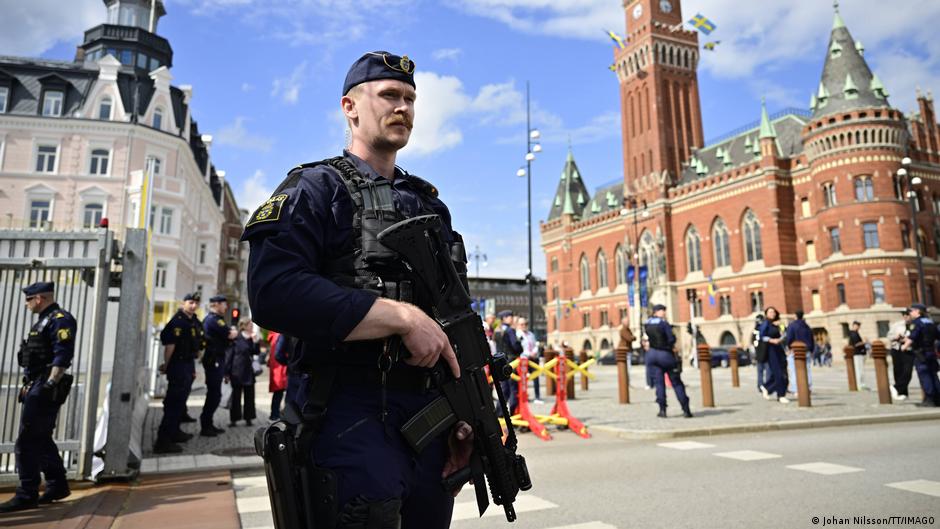
NATO allies are grappling with US troop posture changes in Europe, including Trump's announcement of 5,000 additional US troops to Poland after earlier signals of a drawdown from Germany. NATO chief Mark Rutte welcomed the Poland deployment and reiterated that Article 5 commitments remain ironclad, while also declining to disclose classified details on broader force changes. Separately, Germany said it will spend more than 4% of GDP on defense in 2026, and allies are pushing for at least €90 billion in support for Ukraine.
The immediate market signal is not the troop count itself but the deterioration in planning credibility. When force posture becomes subject to sudden political toggles, Europe’s defense ministries, primes, and logistics providers get pulled into a higher-requirements regime: more contingency inventory, more redundant airlift, more prepositioned stock. That is structurally bullish for European defense capex, but it also raises execution risk for any contractor with concentrated US/EU program exposure if procurement timelines become more politicized.
The second-order winner is the industrial base tied to munitions, air defense, ISR, and transport enablers rather than headline tank/vehicle names. A drawdown threat plus a visible gap between NATO rhetoric and actual burden-sharing should push allies toward faster spending approvals and accelerated local production, especially in Germany, Poland, and the Nordics. That favors companies with European factories, working-capital strength, and backlog conversion leverage; it hurts primes dependent on US budget smoothing or on German basing arrangements that could be reconfigured.
The contrarian miss is that the near-term market may be underpricing the duration of uncertainty. Even if troop levels end up roughly unchanged in Poland, the process itself signals a longer-cycle redistribution of security responsibility that is measured in years, not weeks. The biggest tail risk is a noisy summit outcome that briefly narrows the issue, only for another political reversal to reprice European risk premia, pressure the euro, and support outperformance in defense equities on every headline spike.
AI-powered research, real-time alerts, and portfolio analytics for institutional investors.
Overall Sentiment
neutral
Sentiment Score
0.05
Ticker Sentiment
