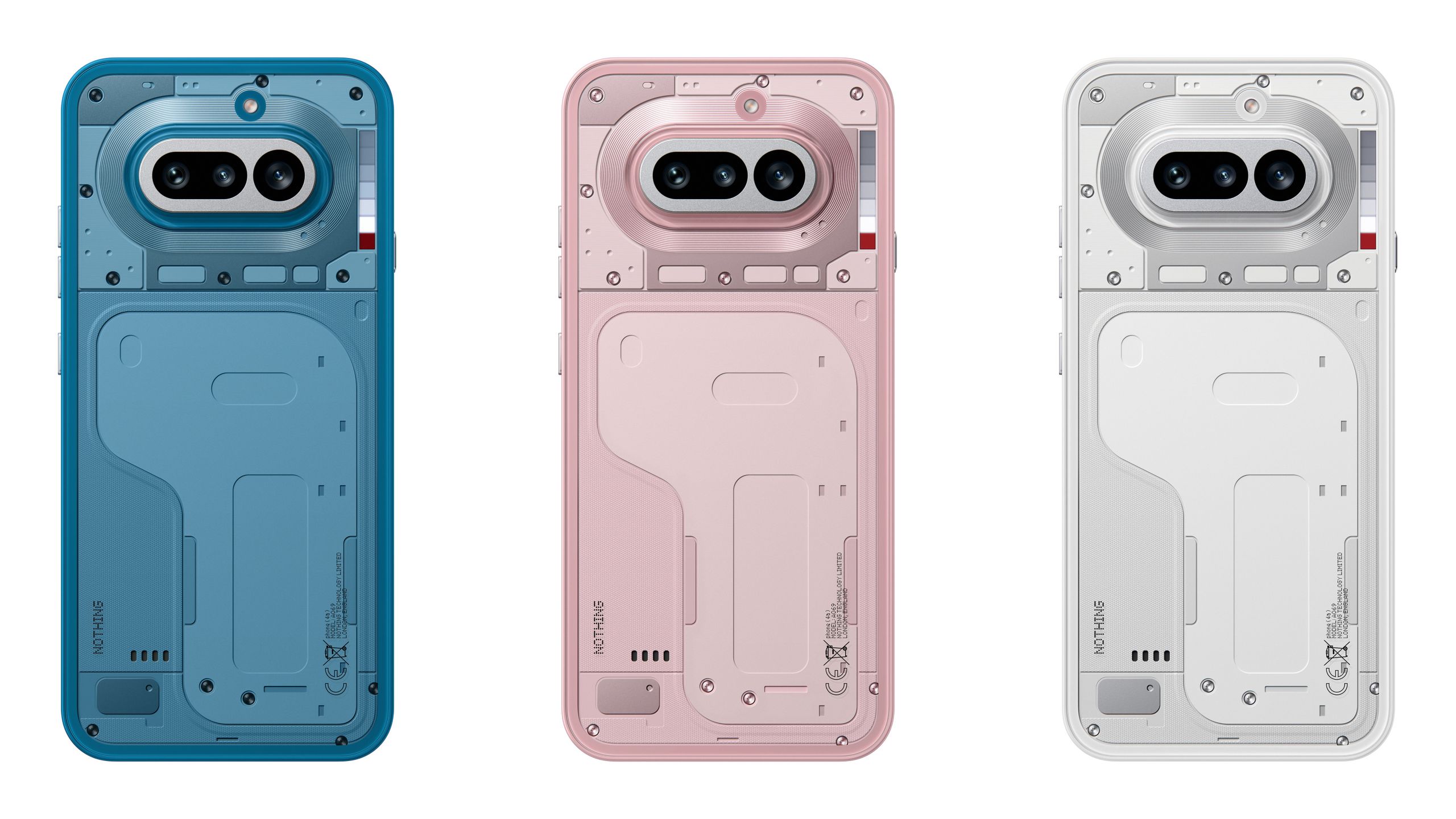
Nothing launched the Phone (4a) in London, positioning it as a competitive mid-range handset that narrows the gap with flagship devices; pricing is £349 (8GB/256GB) to £399 (12GB/256GB). The device features a 6.78-inch Gorilla Glass 7i display, IP64 rating, a triple-camera with up to 3.5x optical zoom, the pared-back Glyph Bar, and Nothing OS 4.1 with AI-driven 'Essential' apps and voice-enabled widget creation. The company, described as the fastest-growing independent smartphone maker over the past two years, also unveiled a Headphone (a) and a (4a) Pro model, underscoring continued investment in design-led branding and scaled supply-chain/manufacturing capability that could support broader consumer adoption and longer device lifecycles.
Market structure: The Nothing Phone (4a) signals accelerating commoditization of smartphone hardware at the mid-range (£349–£399) price point, favoring agile challengers and component suppliers that serve high-volume, lower-ASP segments. Winners include Android ecosystem players and mid-tier SoC/CM supply chains; losers are premium-only upgrade cycles for flagships which may see longer replacement intervals. This should exert mild downward pressure on handset ASPs over 12–24 months, shave OEM gross margins by a few hundred basis points cumulatively, and modestly reduce cyclical semiconductor demand per unit even as unit volumes rise. Cross-asset: weaker ASPs are marginally inflationary-negative (good for bonds) and could lower short-run commodity (copper/indium) demand growth assumptions by <1–2% annualized.
Risk assessment: Tail risks include rapid scale-up of Nothing into multiple markets (raising competitive intensity), supply-chain shocks in SE Asia, or regulatory/security scrutiny of alternative OS/AI features; each could swing outcomes ±15–30% for listed suppliers. Immediate (days) impact is negligible; short-term (weeks–months) depends on early sell-through and carrier deals; long-term (12–36 months) is where share shifts and margin erosion materialize. Hidden dependencies: carrier financing, trade-in economics, and AI services monetization (ads/subs) drive real revenue, not just units. Catalysts to watch: quarterly share gains, component order run-ups, and Apple/Google promotional responses within 2–4 fiscal quarters.
Trade implications: Favor modest long exposure to Alphabet (GOOGL/GOOG) 2–3% portfolio weight over 6–12 months to capture AI monetization on Android and search, and add 1–2% long Qualcomm (QCOM) for mid-range SoC demand — buy in tranches if QCOM pulls back >8% intraday. Consider a 1–2% pair trade: long GOOG, short AAPL to isolate platform vs. premium hardware risk (rebalance if divergence >12%); use 3–9 month options (buy GOOGL 6–9 month calls if implied vol < historical 60-day). Rotate 2–4% from premium handset exposure into services/AI software and select semis.
Contrarian angles: Consensus that mid-range growth kills Apple may be overstated — Apple’s ecosystem and services can sustain pricing power; a durable hit requires >5–7% global iPhone share erosion over two years, unlikely quickly. Historical parallel: OnePlus grew mindshare without toppling Apple; expect Nothing to take niche share and force promotional pricing rather than structural displacement. Unintended consequence: pressure on OEM margins could accelerate consolidation among smaller OEMs, creating attractive acquisition targets for larger chip/OS players.
AI-powered research, real-time alerts, and portfolio analytics for institutional investors.
Request TrialOverall Sentiment
mildly positive
Sentiment Score
0.30
Ticker Sentiment
