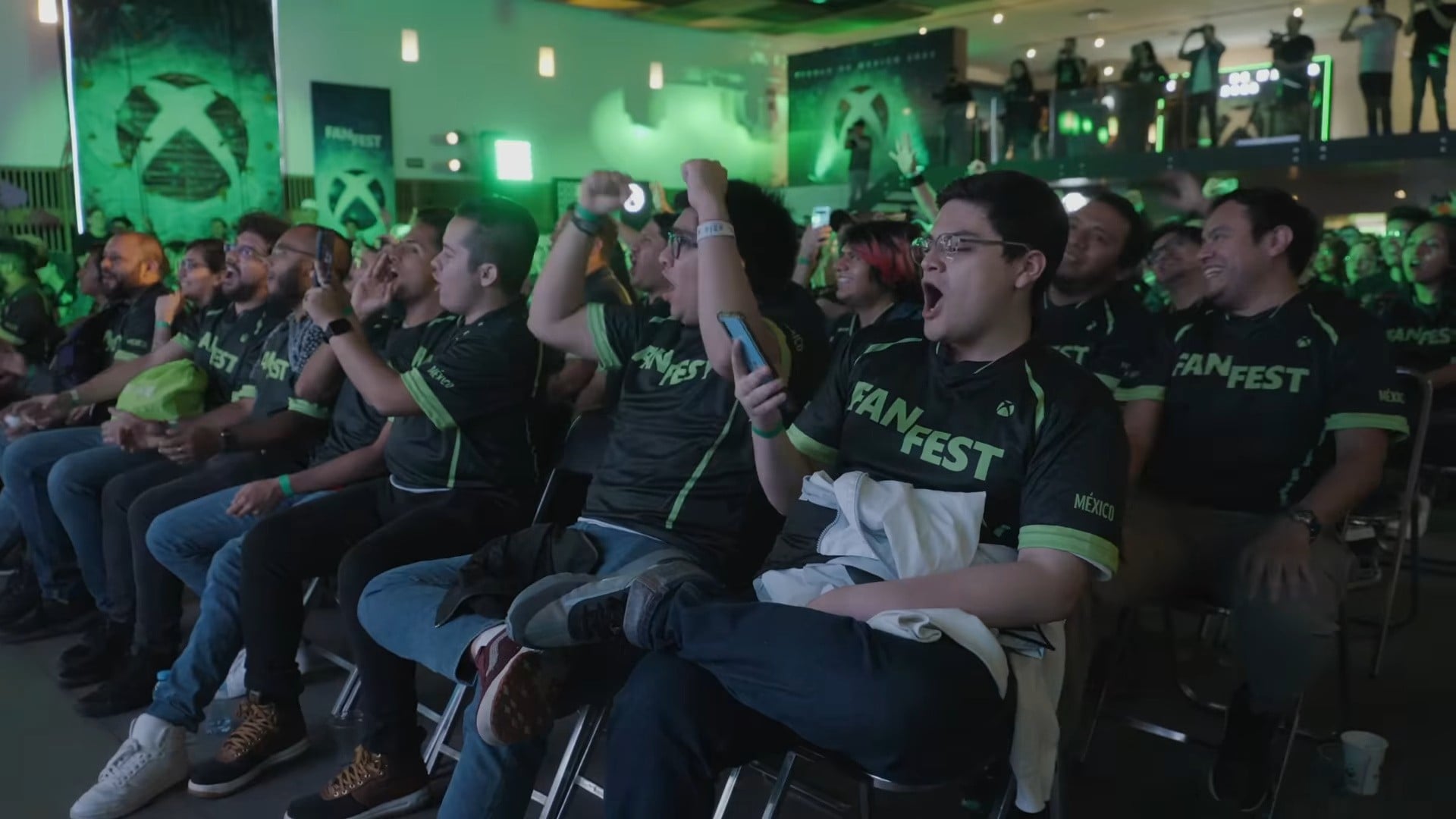
Microsoft CEO Satya Nadella pledged to “always invest in gaming” and emphasized retaining and appealing to Xbox’s existing fanbase while reaffirming console and PC as core platforms and the importance of first-party titles. He acknowledged fan frustration and signaled that new Xbox chief Asha Sharma and Microsoft are reassessing past missteps, but provided no concrete commitments or timelines. This is a modestly positive management signal that may ease some execution concerns for Xbox yet is unlikely to move MSFT shares materially in the near term.
If a large platform owner reallocates to defend high-engagement user cohorts, expect three cascading effects: (1) content budgets will skew toward fewer, higher-cost AAA projects with longer development horizons (18–36 months), compressing near-term free cash flow but increasing IP optionality and recurring monetization if execution is strong. (2) The economics of subscription bundles will shift — higher acquisition and content amortization raises the breakeven ARPU and forces product changes (price, tiering, or retention levers) within 12 months to avoid margin erosion. (3) Hardware renewals and SKU segmentation will be used tactically to defend loyalty, producing discrete demand spikes for SoC suppliers during refresh windows and creating modular supply-chain winners and losers over a 2–4 year cadence.
Second-order supply-chain winners include custom silicon and datacenter GPU vendors if server-side streaming adoption accelerates; middleware and third-party licensors are the more exposed group if exclusivity tightens and in-house studios are scaled. Competitive dynamics will likely force incumbents to either match IP spend or retreat to service/indie niches — that tradeoff is binary over the next 12–24 months and will show up first in developer deal volumes and M&A activity.
Key risks and catalysts: execution (game quality and release cadence) is the dominant swing factor and can flip market sentiment quickly — a major title miss or a surprise increase in churn would compress multiples within weeks. Watch three near-term triggers: quarterly guidance for consumer monetization, the next major game-launch cadence (6–18 months), and any public hardware refresh announcements (announced or implied in 3–9 months). Tail risk is material: multi-year content write-offs or failed integration of expensive studios could wipe out the upside in 12–24 months.
AI-powered research, real-time alerts, and portfolio analytics for institutional investors.
Request DemoOverall Sentiment
mildly positive
Sentiment Score
0.12
Ticker Sentiment
