

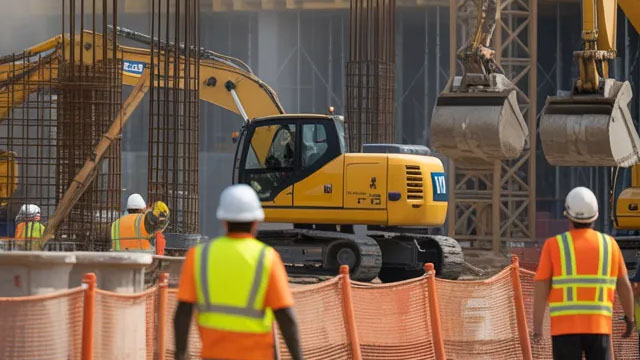
Tutor Perini reiterated as a Strong Buy with a $125 price target, citing durable margin expansion and cash generation. Q2 2026 delivered record $1.64B revenue (+19% y/y) and $117.7M construction income (+54%), while management raised 2026 adjusted EPS guidance to $5.15–$5.45 and guided to substantially higher 2027 EPS on improved backlog earnings visibility.
The equity story here is less about the headline EPS step-up and more about mix-driven operating leverage finally showing through. In heavy civil and megaproject work, a modest margin lift can translate into outsized earnings power because overhead absorption, claims resolution, and milestone timing all compound at the contract level. If that margin profile holds, the market should start valuing this more like a repeatable cash generator than a low-quality backlog proxy, which is the real rerating lever.
Near term, the stock can continue to work over the next 1-3 months as investors model higher run-rate earnings and lower balance-sheet risk, but the first place to look for cracks is cash conversion, not revenue. Construction names often peak on guidance and then give back if working capital swells, so any slip in receivables, project timing, or cost inflation would be an early warning. Over 6-18 months, the upside case is capital returns and multiple expansion; the downside is that one or two problematic projects can reset sentiment quickly.
The contrarian view is that the market may be underpricing competitive response. If TPC is proving that higher margins are achievable in select megaprojects, peers will chase the same work, which eventually compresses bid spreads and erodes the advantage. The thesis is falsified if backlog growth slows, cash generation disappoints, or management starts describing 2027 as timing-driven rather than structural improvement.
AI-powered research, real-time alerts, and portfolio analytics for institutional investors.
Overall Sentiment
moderately positive
Sentiment Score
0.65
Ticker Sentiment
